Spot Games (2016-2017)
The video games from the series Spot Games came from a personal desire to "play" a painting. Painting resides in the plastic arts and this desire at its origin flies in the face of an accepted view that the plastic arts are trapped by their own physicality. Huizinga explains this divide like this, "The very fact of their [the plastic arts] being bound to matter and to the limitations of form inherent in it, is enough to forbid them absolutely free play and deny them that flight into the ethereal spaces open to music and poetry" (Huizinga, 1949, p. 166). It was my thought that the introduction of play into an experience of a painting would finally free it from its trap and form a connection between the maker and the viewer in the course of the play experience.
These five (5) games have no reward, and so invite the player to create their own goals and conditions to reward themselves. This vagueness toys with the concepts of paidic and ludic games. Jensen explains these concepts, "In paidic games, players can still 'win' as a direct result of conformance to implicit, culturally influenced goals; and in ludic games, goals can be established by the player, even if they do not help the player 'win' or progress in a way intended by the developers of the game" (Jensen, 2013, p. 71). Leaving interpretation of rules and win conditions open connects to the player and builds on a reflection from Clement Greenberg that "Content is to be dissolved so completely into form that the work of art… cannot be reduced in whole or in part to anything not itself" (Greenberg, 1961, p. 6). In video games, dissolving the content into the form "resides in the gap between rule-based representation and player subjectivity" (Bogost, 2007, p. 43) and this thought parallels the current ontological position of painting, that is to be caught somewhere between the eye and the mind (Clark, 2015) and/or between interpretation and consciousness (Ryan, 2002, p. 12). In this way I activate the theory of gestalt and I invite the audience to complete the work through an open ended play experience.
Specifically the Spot Games are a series of PC games that are about the mental and physical space of illness and healing. They are simple 2D games with vector graphics created in Illustrator and are coded in TorqueScript with the Torque 2D and Unreal game engines. These games have been influenced by Damien Hirst's Spot Paintings and depict a similar quiet purgatory. There is very little player agency. There are currently five (5) in the series there will be more that are based on Hirst’s Pharmaceutical Spot Paintings (Hirst, 1986-2017). Each piece is a depiction of a particular time frame, and together, the series takes the player through the personal narrative of the artist
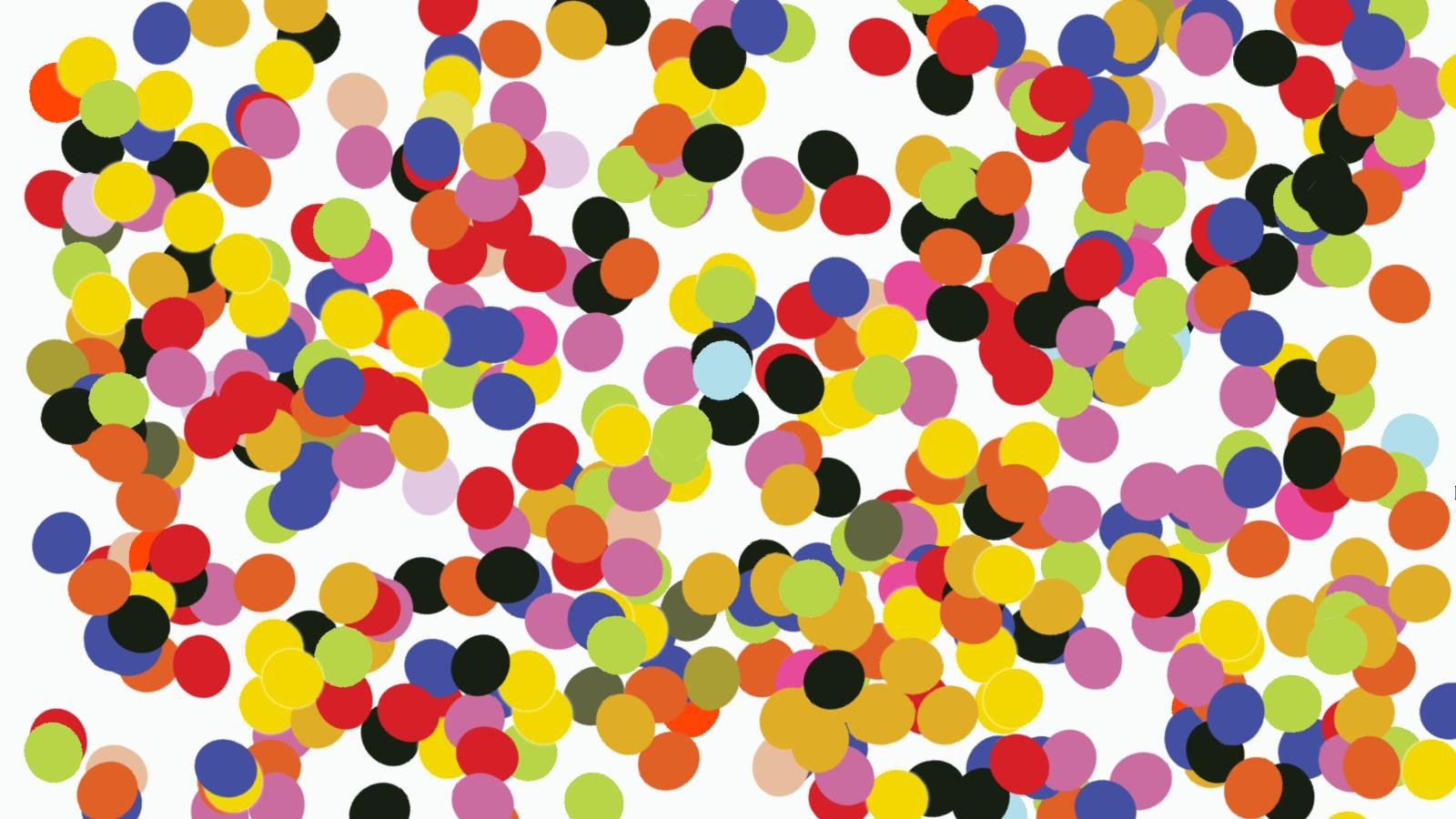
Sometimes I Just Want To Make Spots, 2015-2016, Video Game
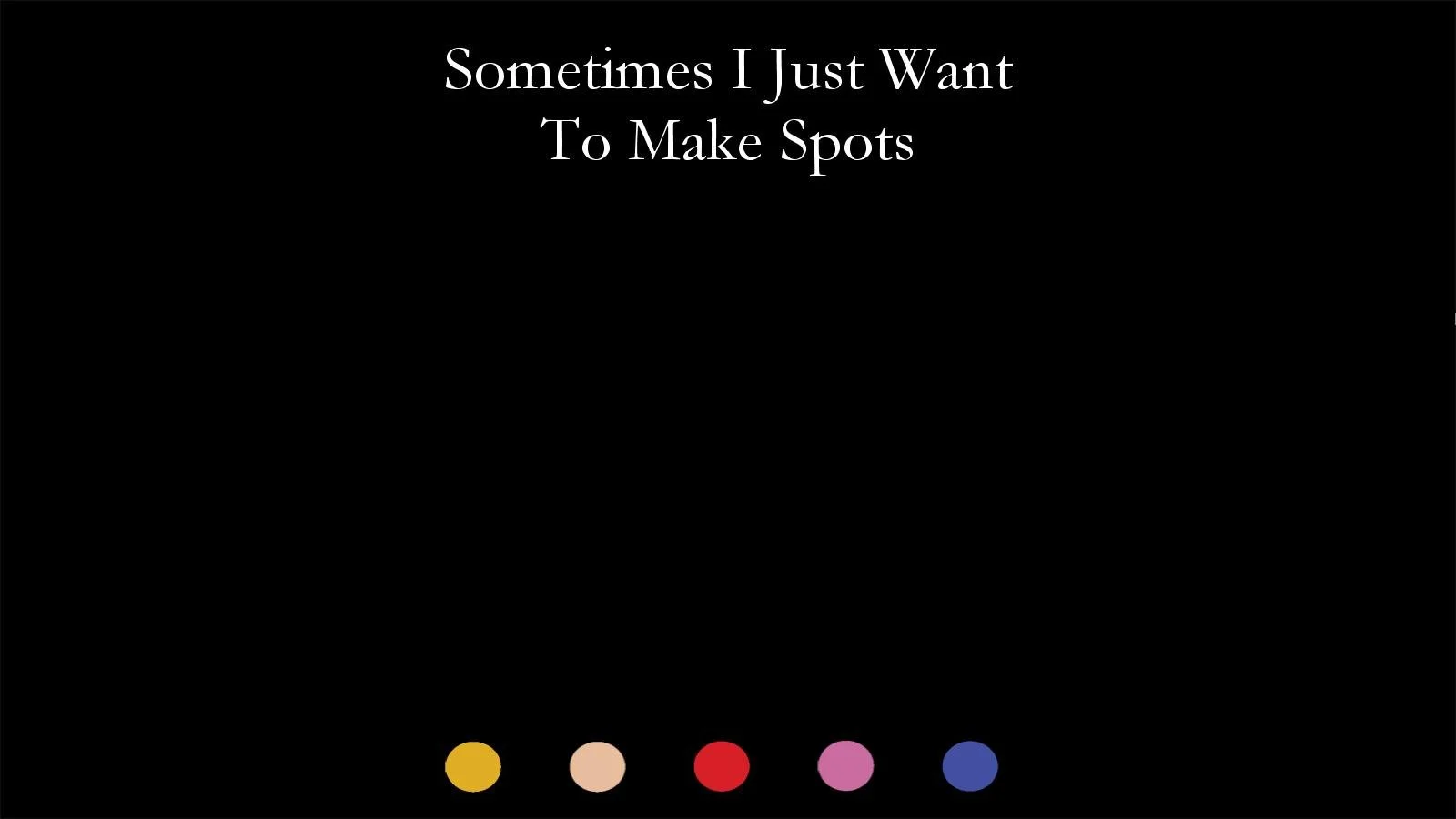
Title Screen: Sometimes I Just Want To Make Spots
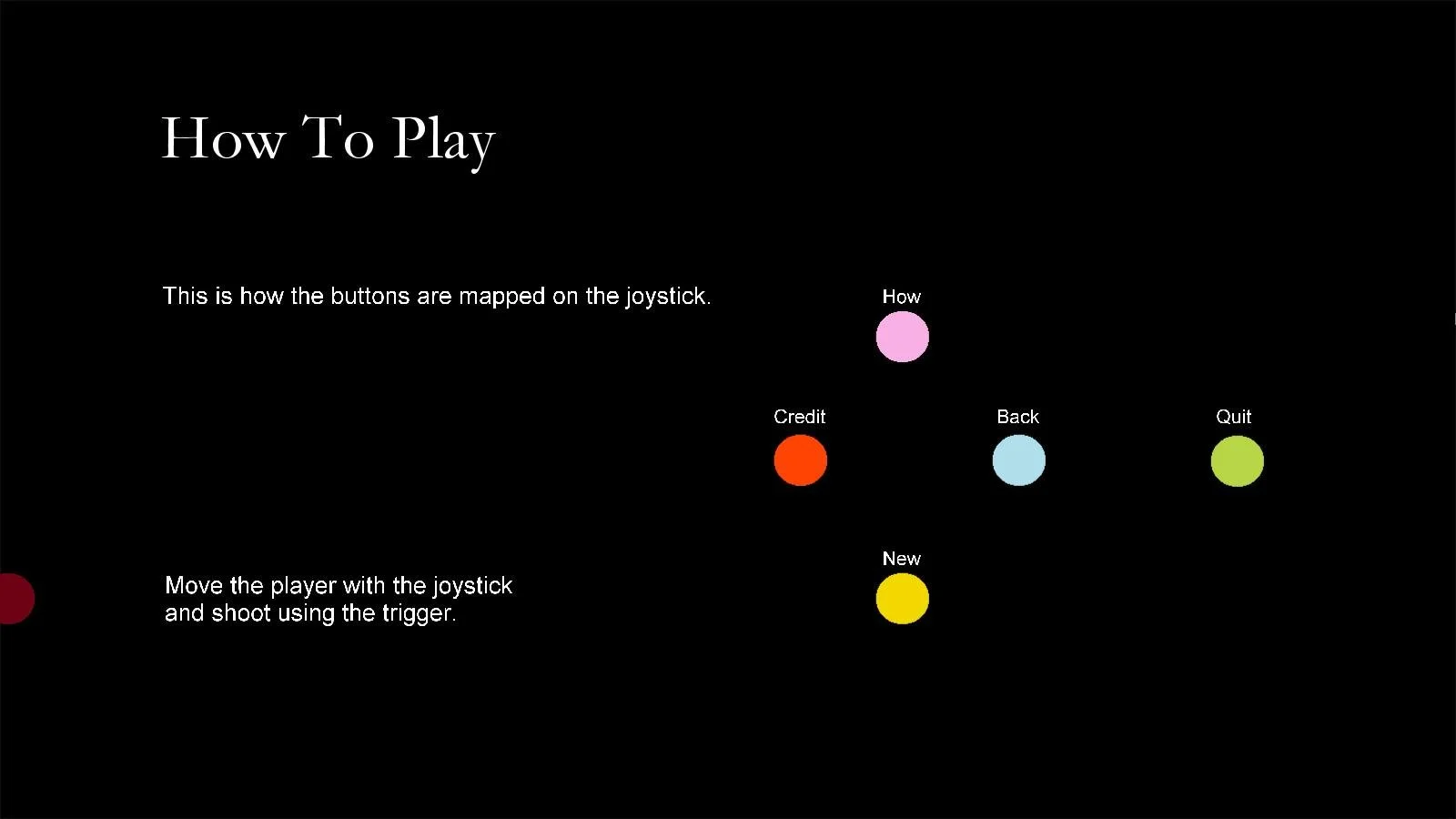
How to Play: Sometimes I Just Want To Make Spots
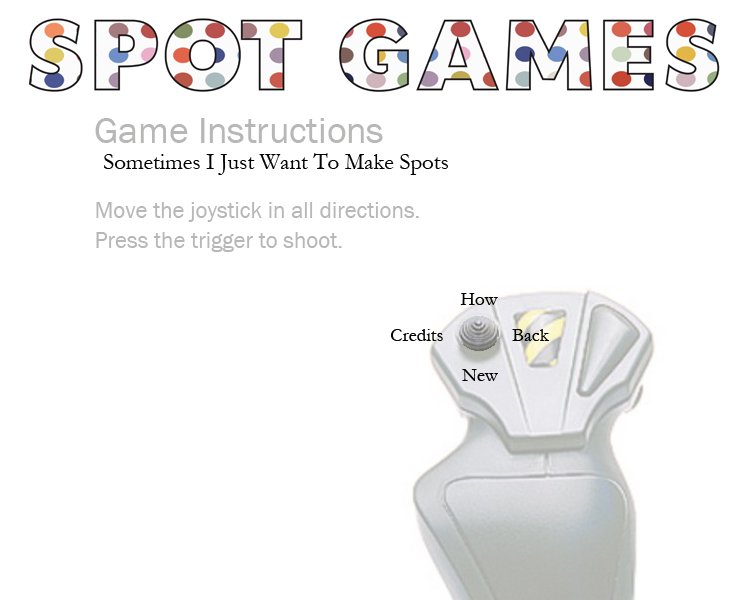
Gallery Instructions: Sometimes I Just Want To Make Spots
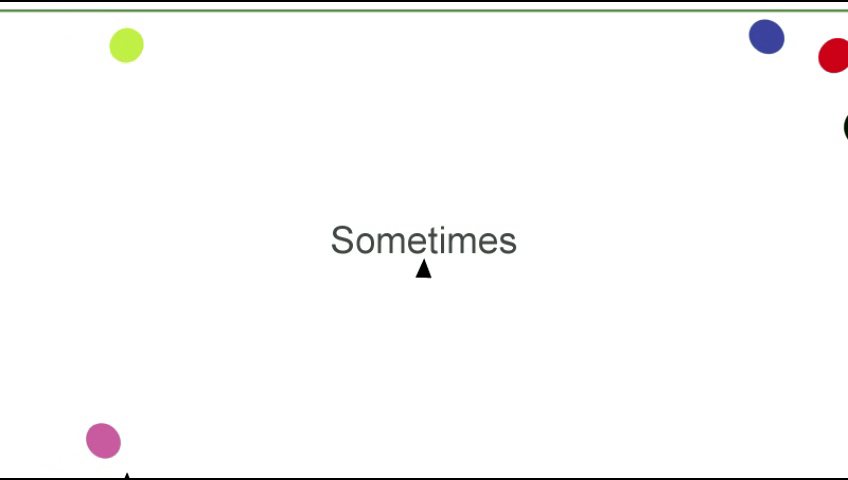
Gameplay: Sometimes (First 3 seconds, full lifeline)
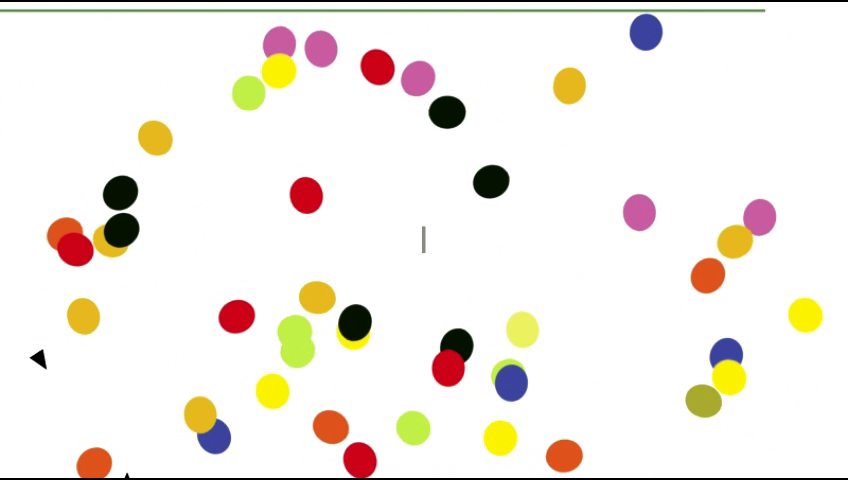
Gameplay: I (At 29 seconds, life line 95%)
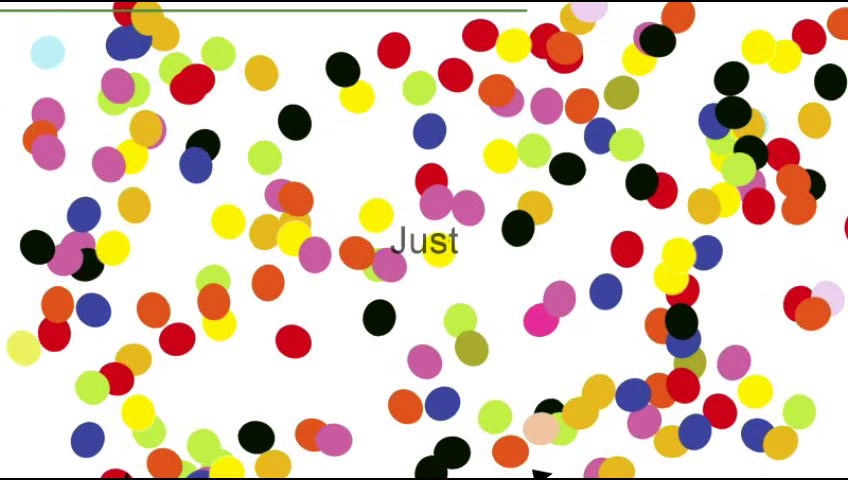
Gameplay: Just (At 40 Seconds, life line at 70%)
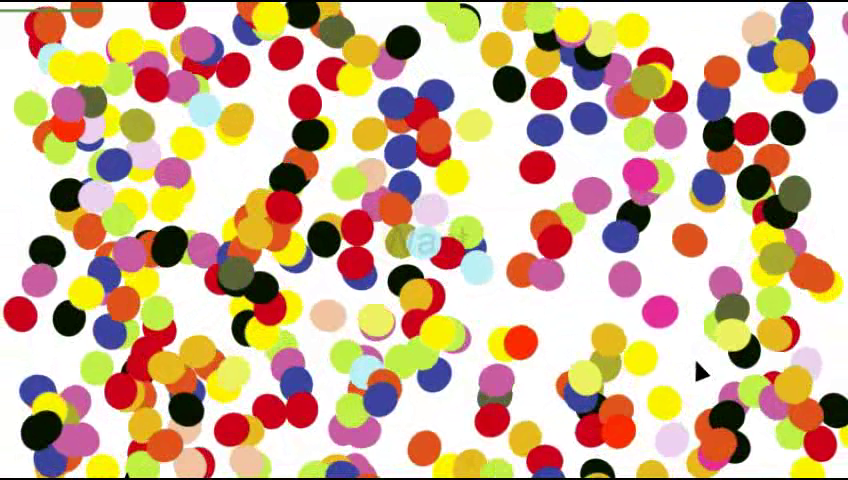
Gameplay: Want (At 55 Seconds, life line almost gone)
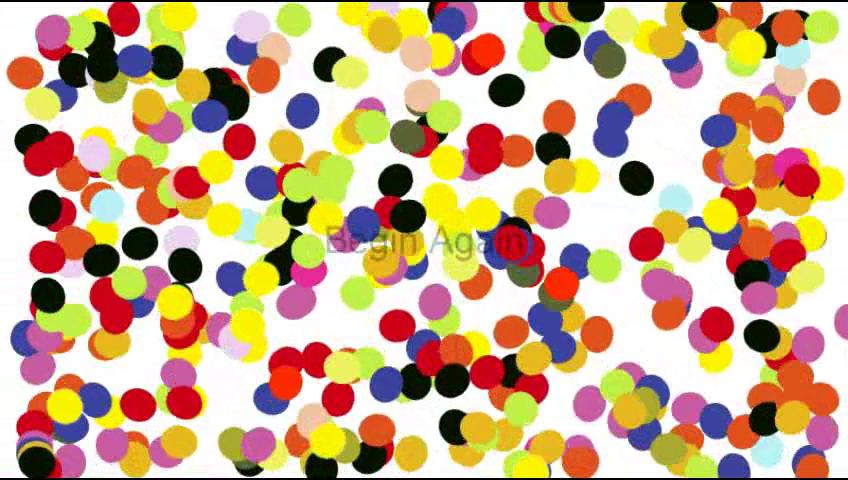
Gameplay: Begin Again (At 59 Seconds, life line gone)
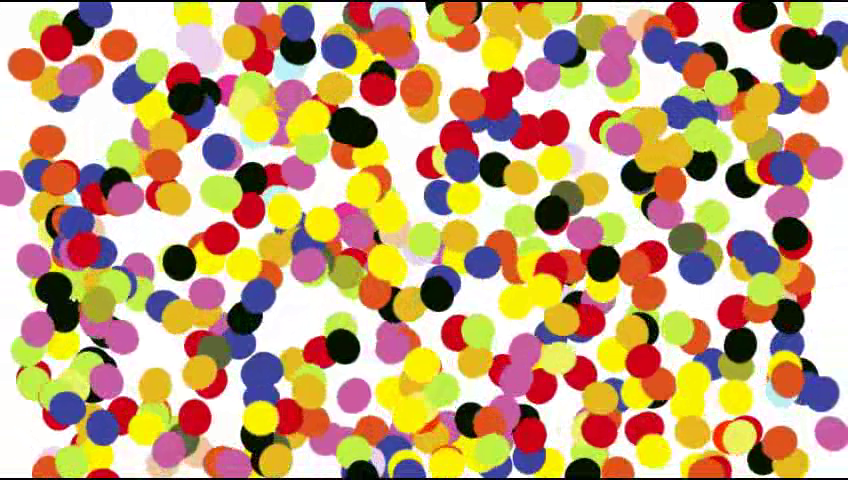
Gameplay: The player is overwhelmed (At 1 minute)
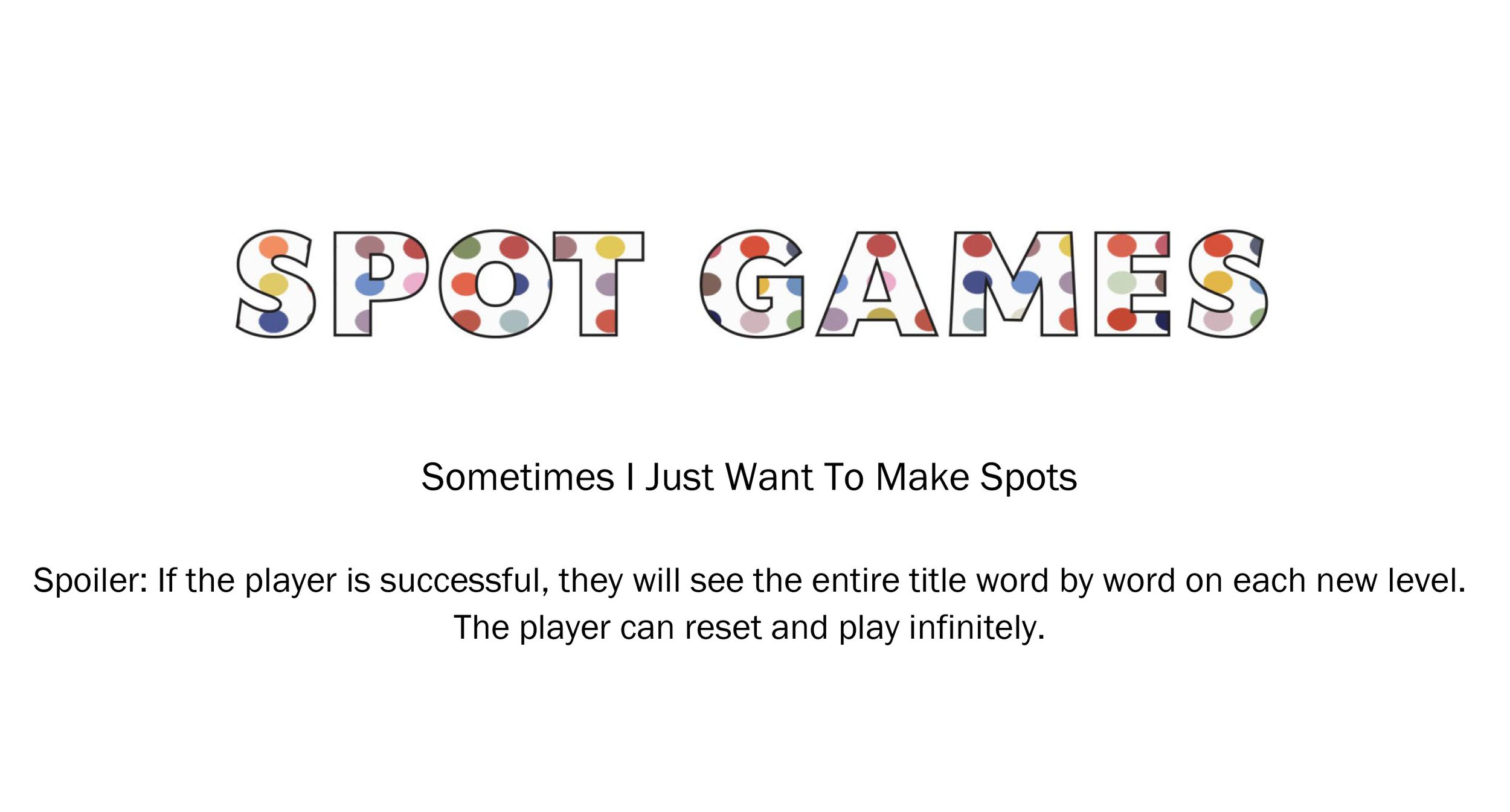
Spoiler: Sometimes I Just Want To Make Spots
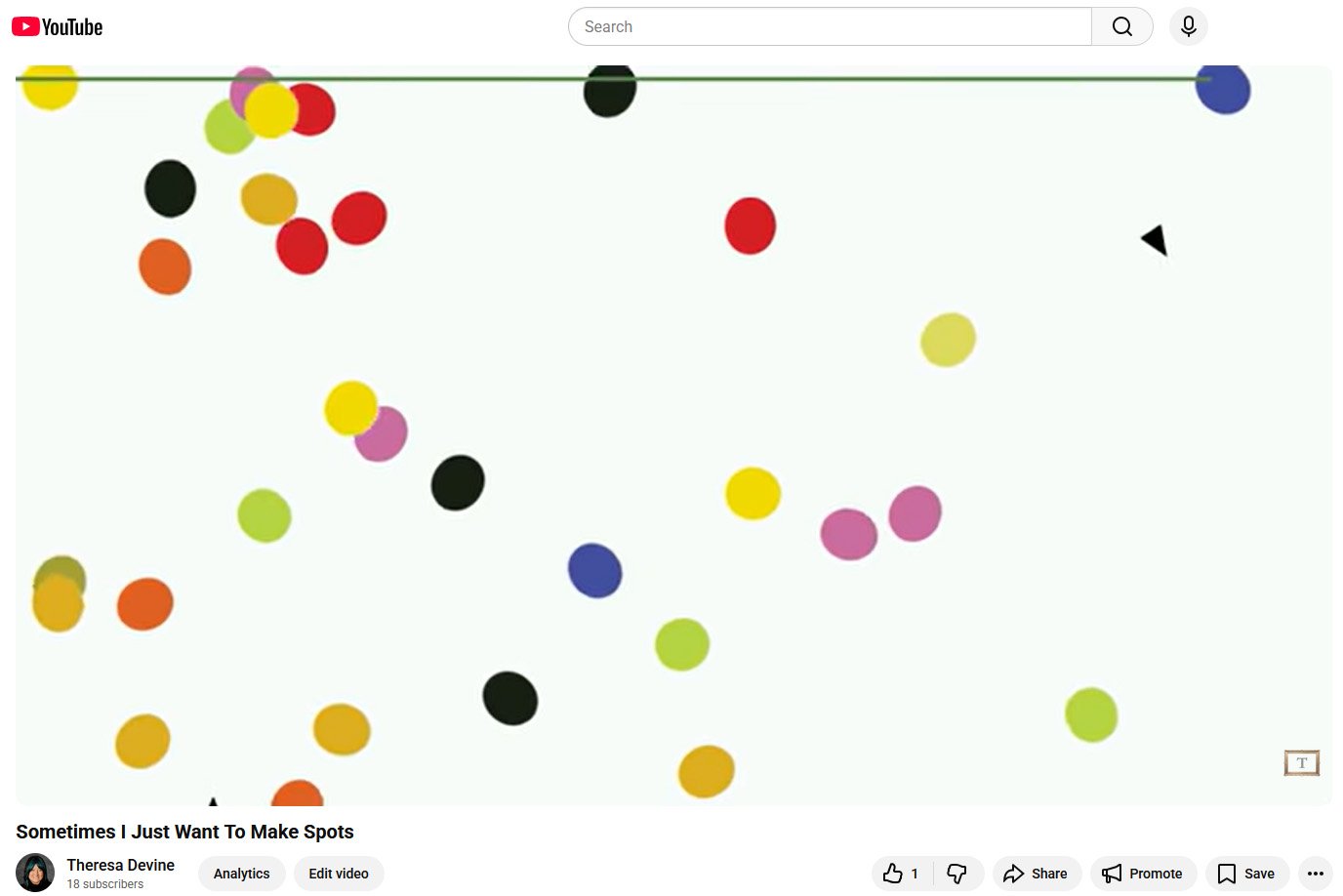
Click here to watch video of gameplay for: Sometimes I Just Want To Make Spots
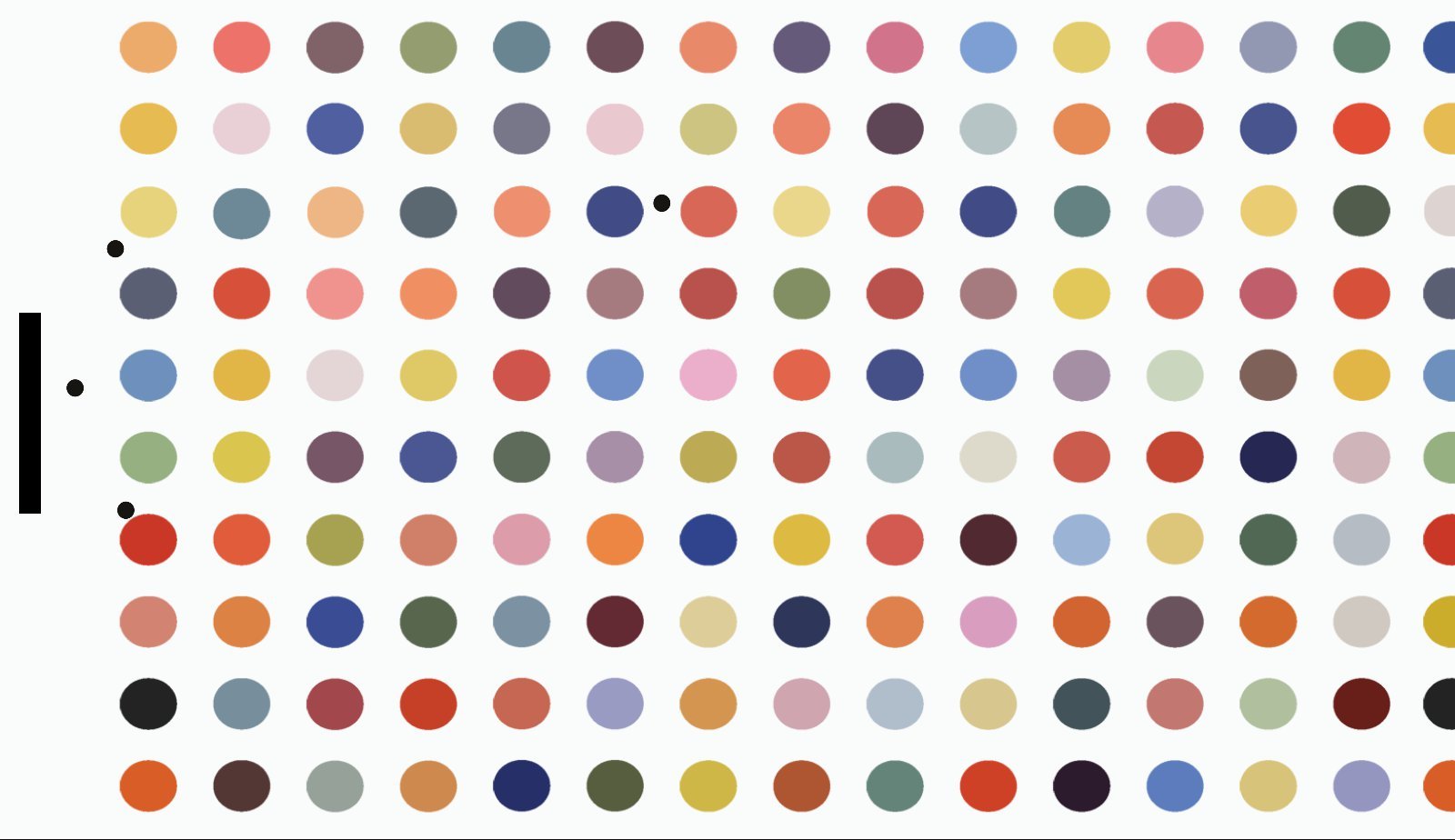
I Was Born Twice: Edge, 2016-2016, Video Game
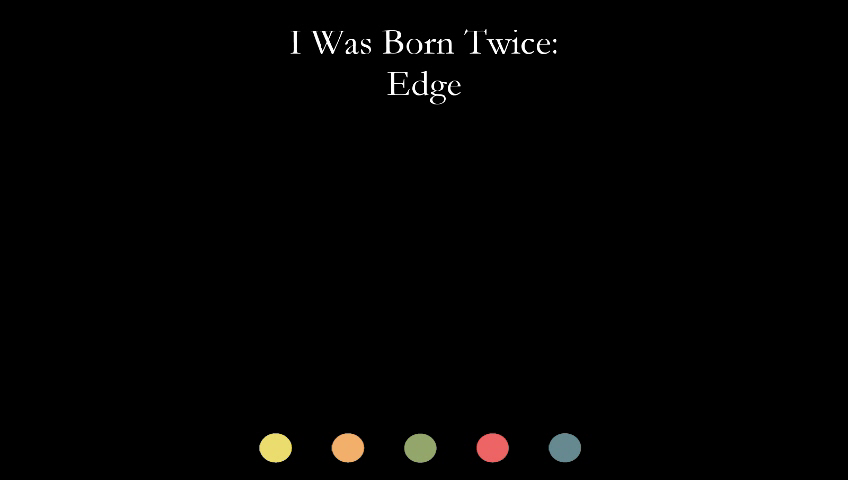
Title Screen: I Was Born Twice, Edge
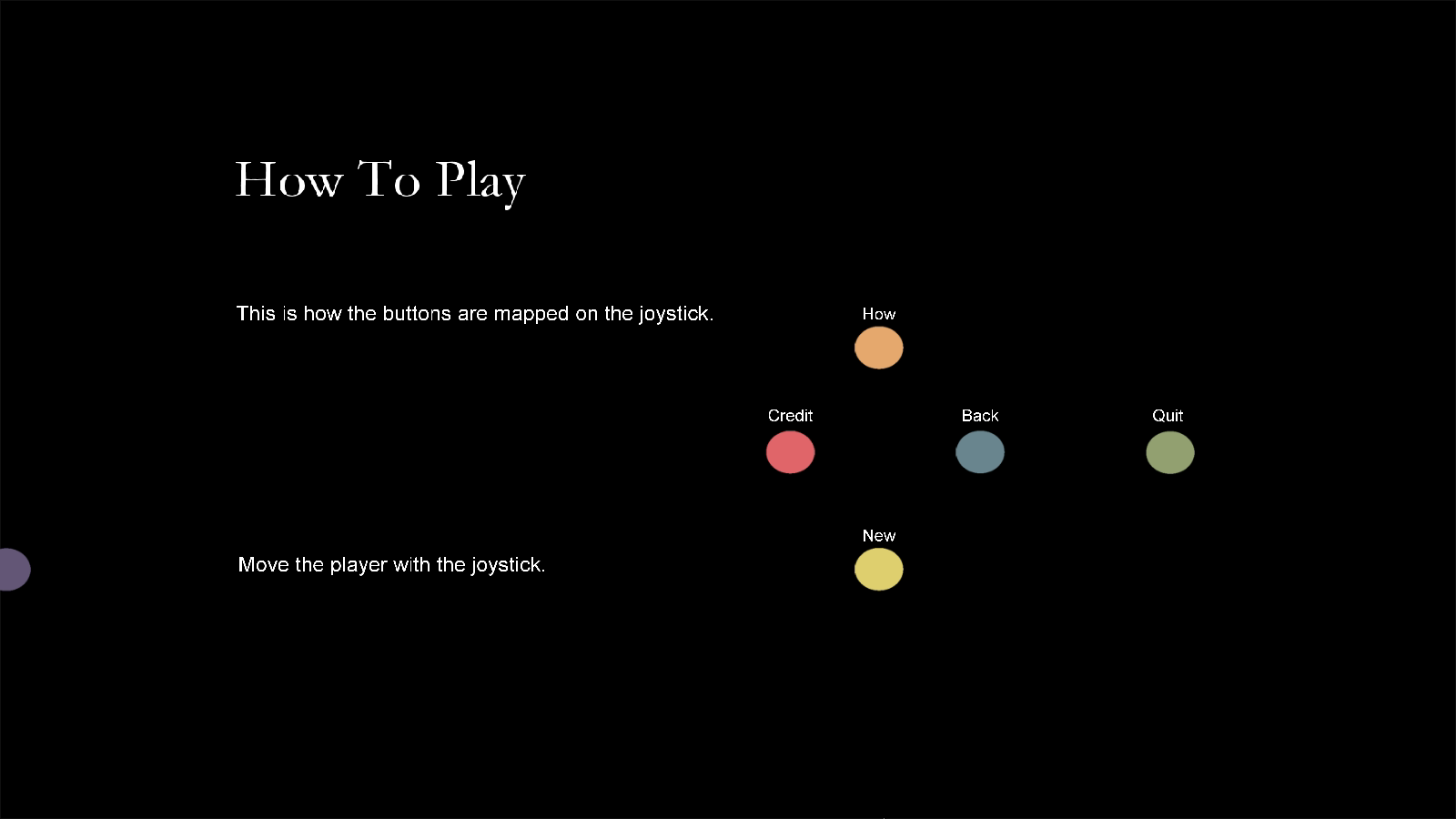
How To Play, I Was Born Twice, Edge
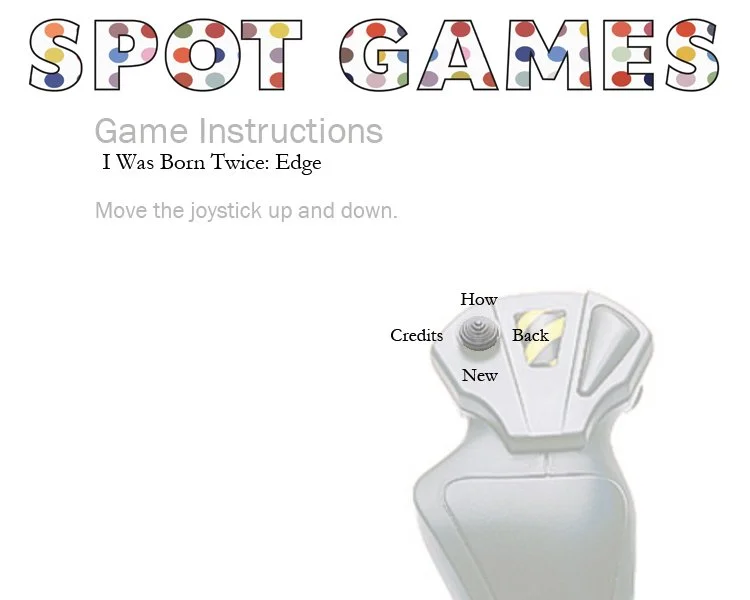
Gallery Instructions: I Was Born Twice, Edge
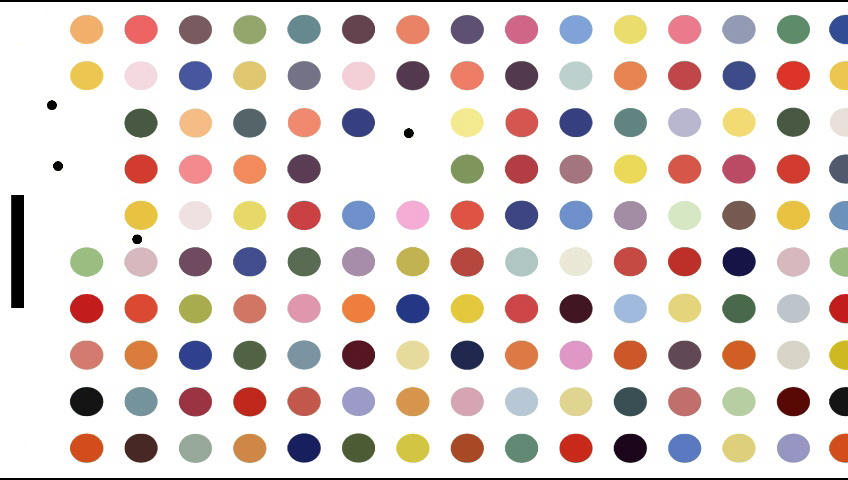
Gameplay: Born Twice, Edge, (First 12 seconds)
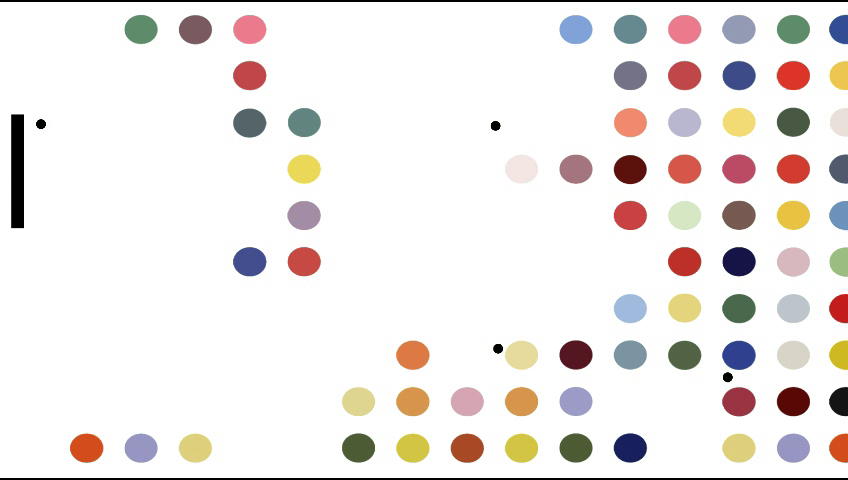
Gameplay: Born Twice, Edge, (At 47 seconds)
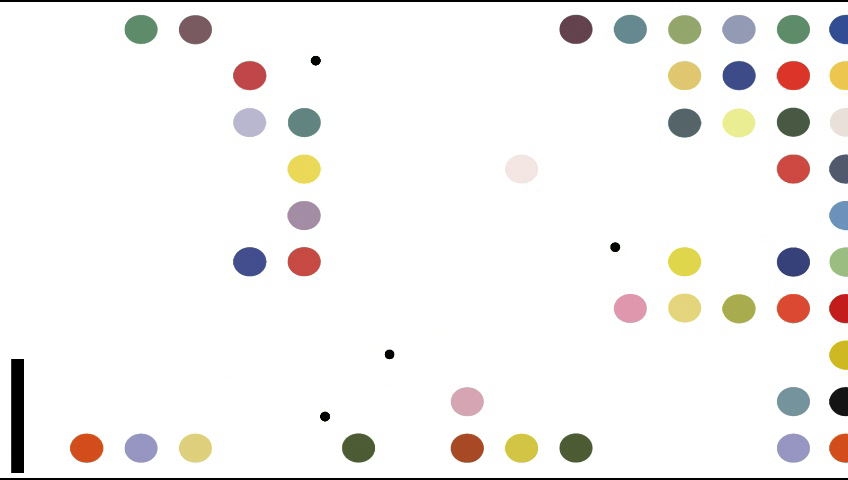
Gameplay: Born Twice, Edge, (At 1 min, 03 seconds)
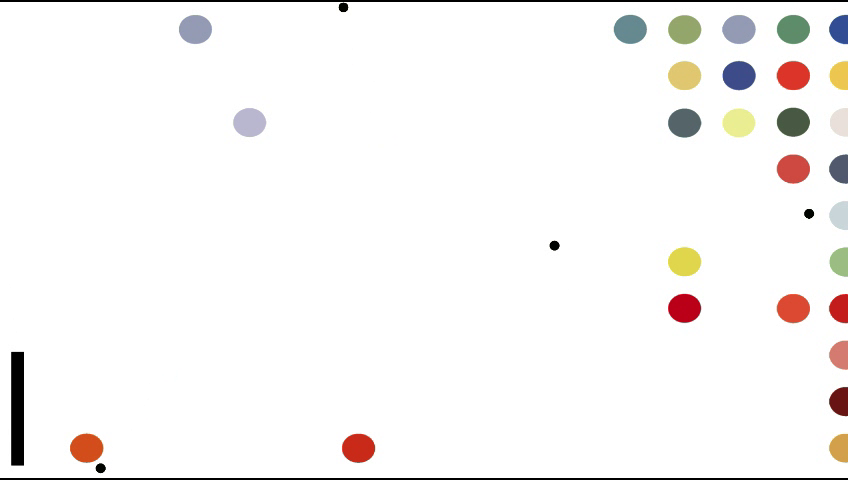
Gameplay: Born Twice, Edge, (At 1 min, 19 seconds)
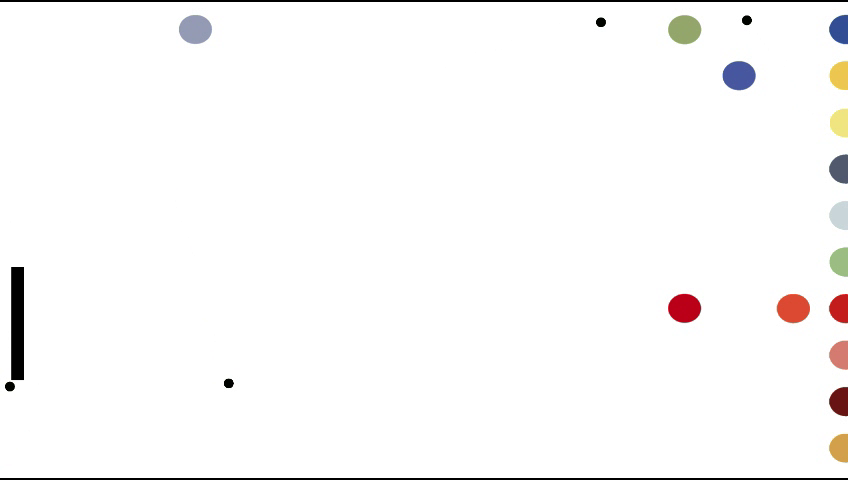
Gameplay: Born Twice, Edge, (At 1 min, 59 seconds)
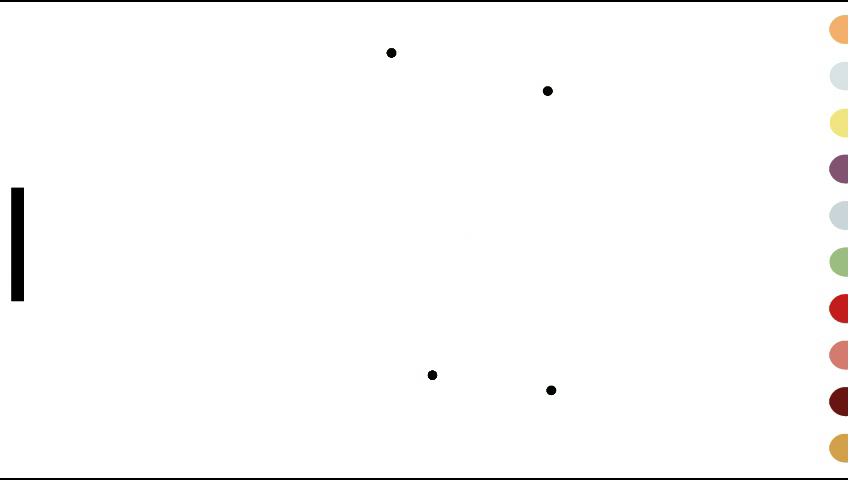
Gameplay: Born Twice, Edge, (At 2 min, 35 seconds)
Spoiler: I Was Born Twice, Edge
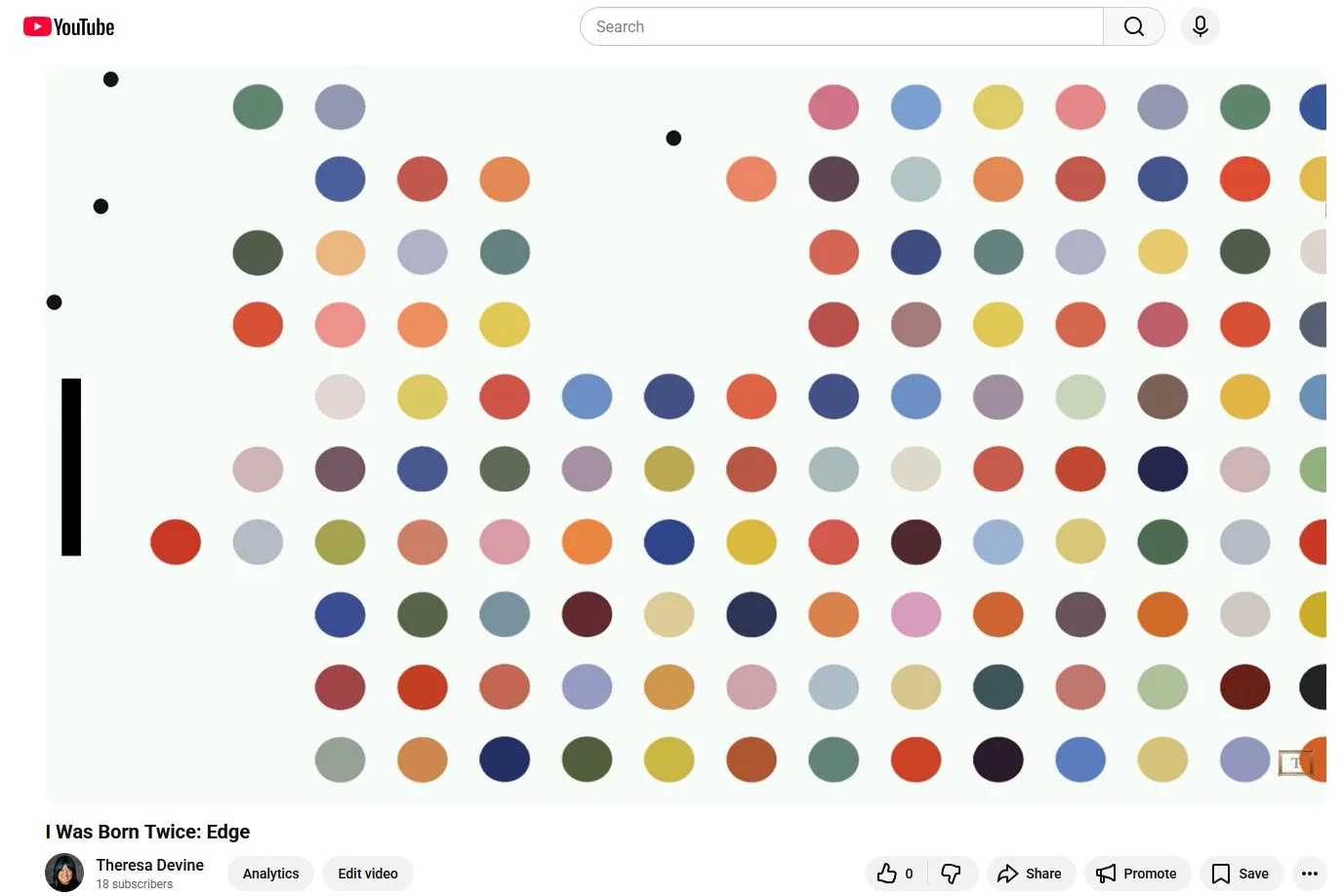
Click here to watch video of gameplay for: I Was Born Twice, Edge
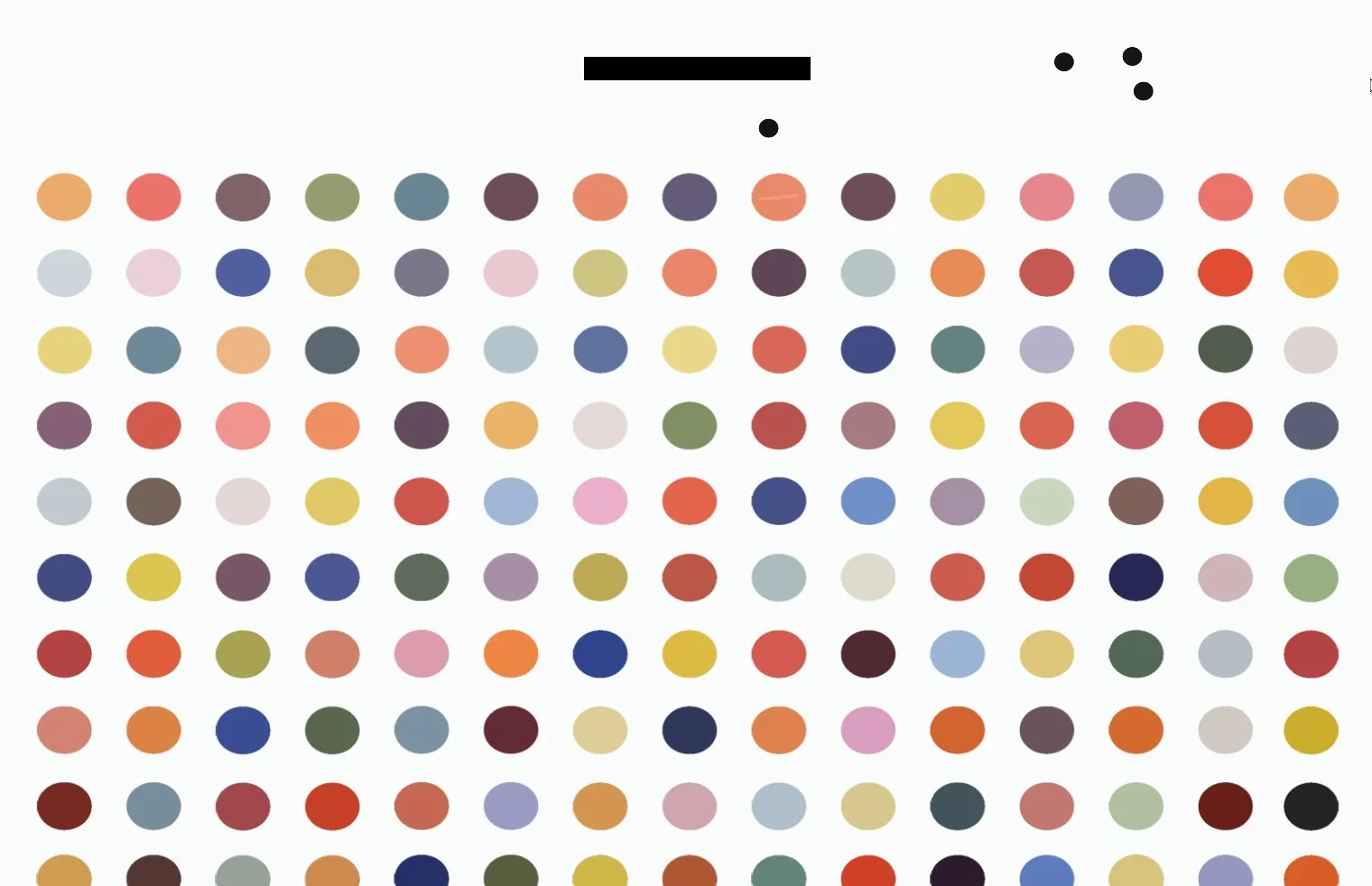
I Was Born Twice: Row, 2015-2016, Video Game
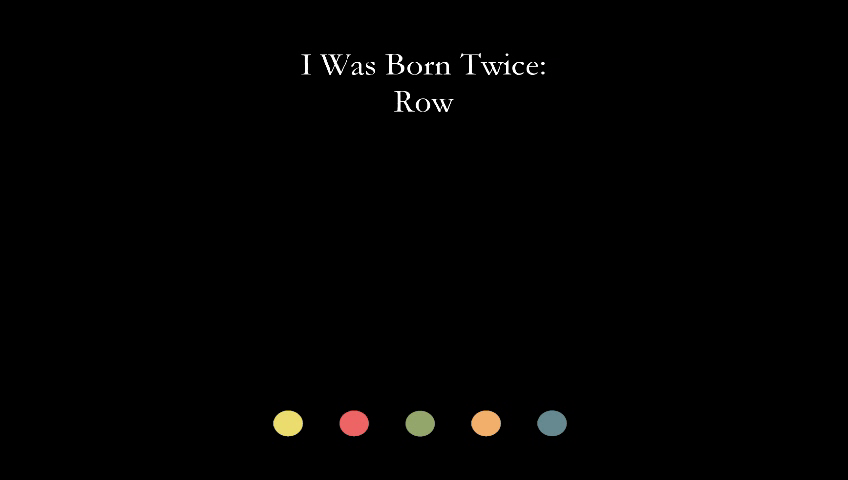
Title Screen: I Was Born Twice, Row
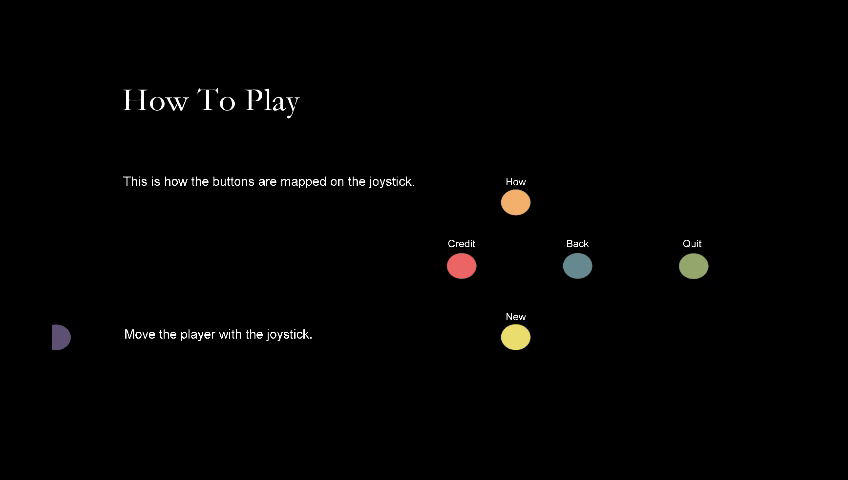
How To Play, I Was Born Twice, Row
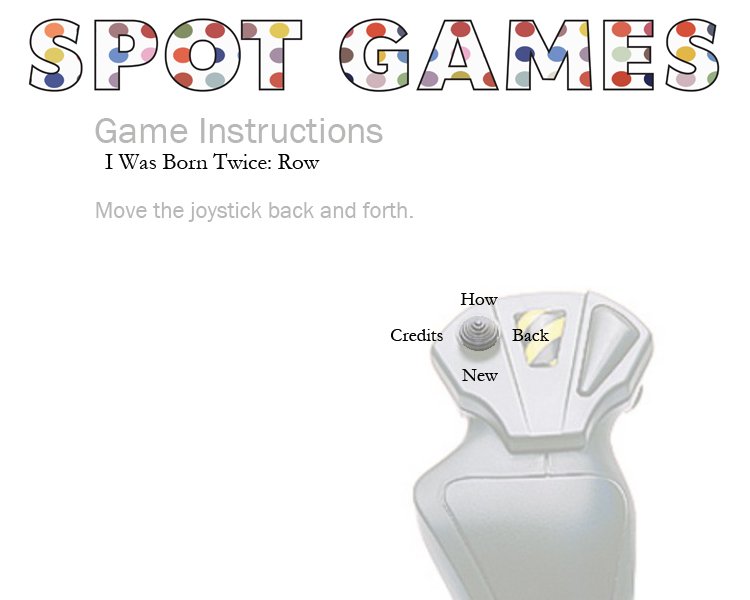
Gallery Instructions: I Was Born Twice, Row
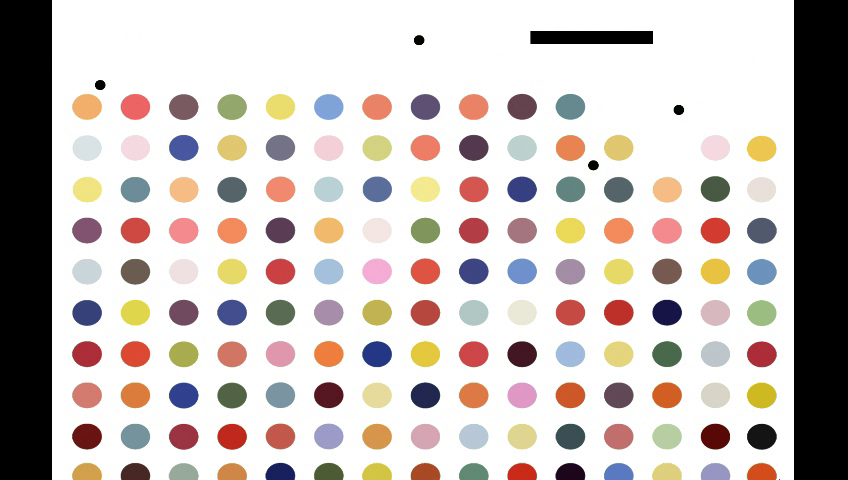
Gameplay: Born Twice, Row (First 23 Seconds)
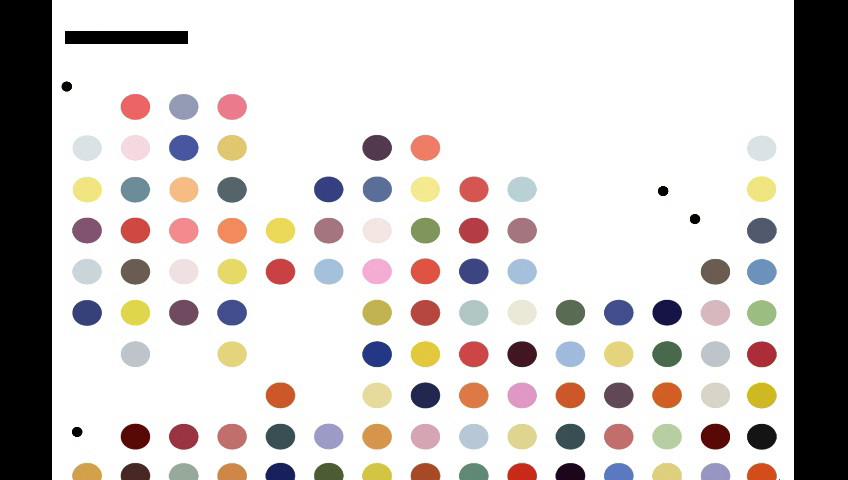
Gameplay: Born Twice, Row (At 47 Seconds)
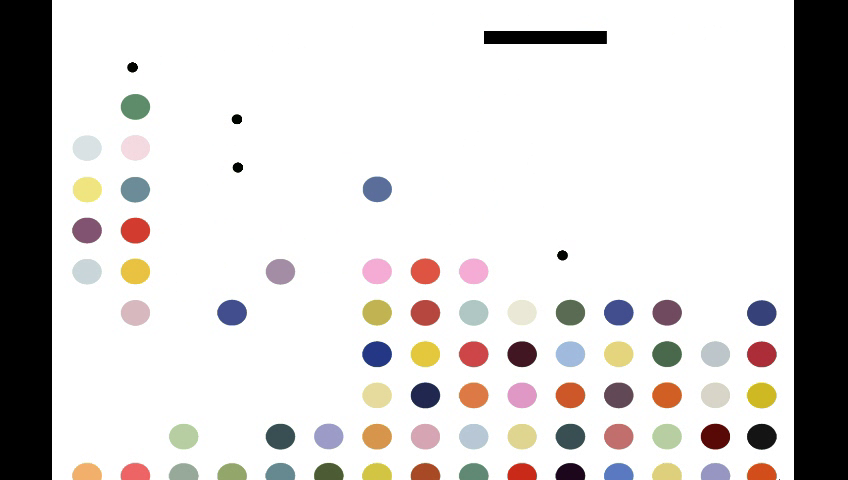
Gameplay: Born Twice, Row (At 1 min, 09 seconds)
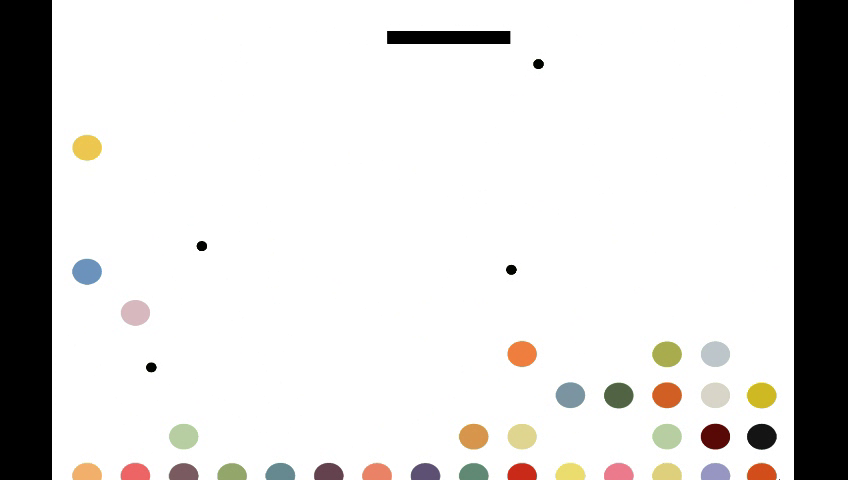
Gameplay: Born Twice, Row (At 1 min, 44 seconds)
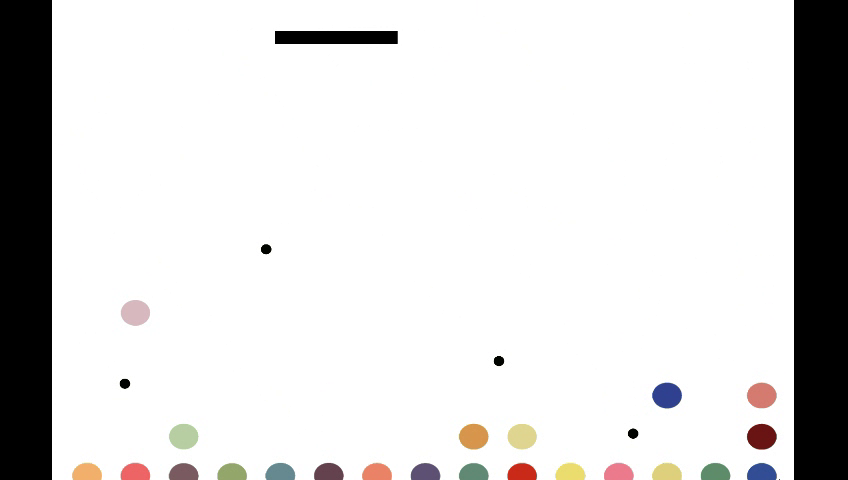
Gameplay: Born Twice, Row (At 2 min, 12 seconds)
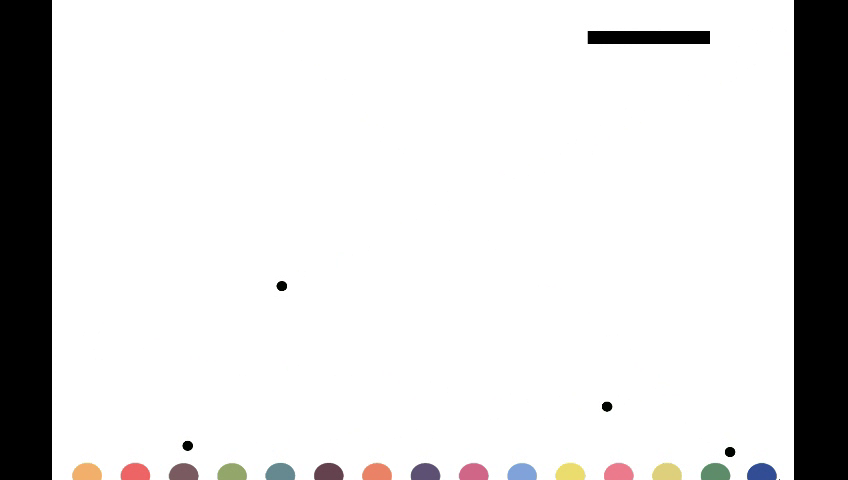
Gameplay: Born Twice, Row (At 2 min, 49 seconds)
Spoiler: I Was Born Twice, Row
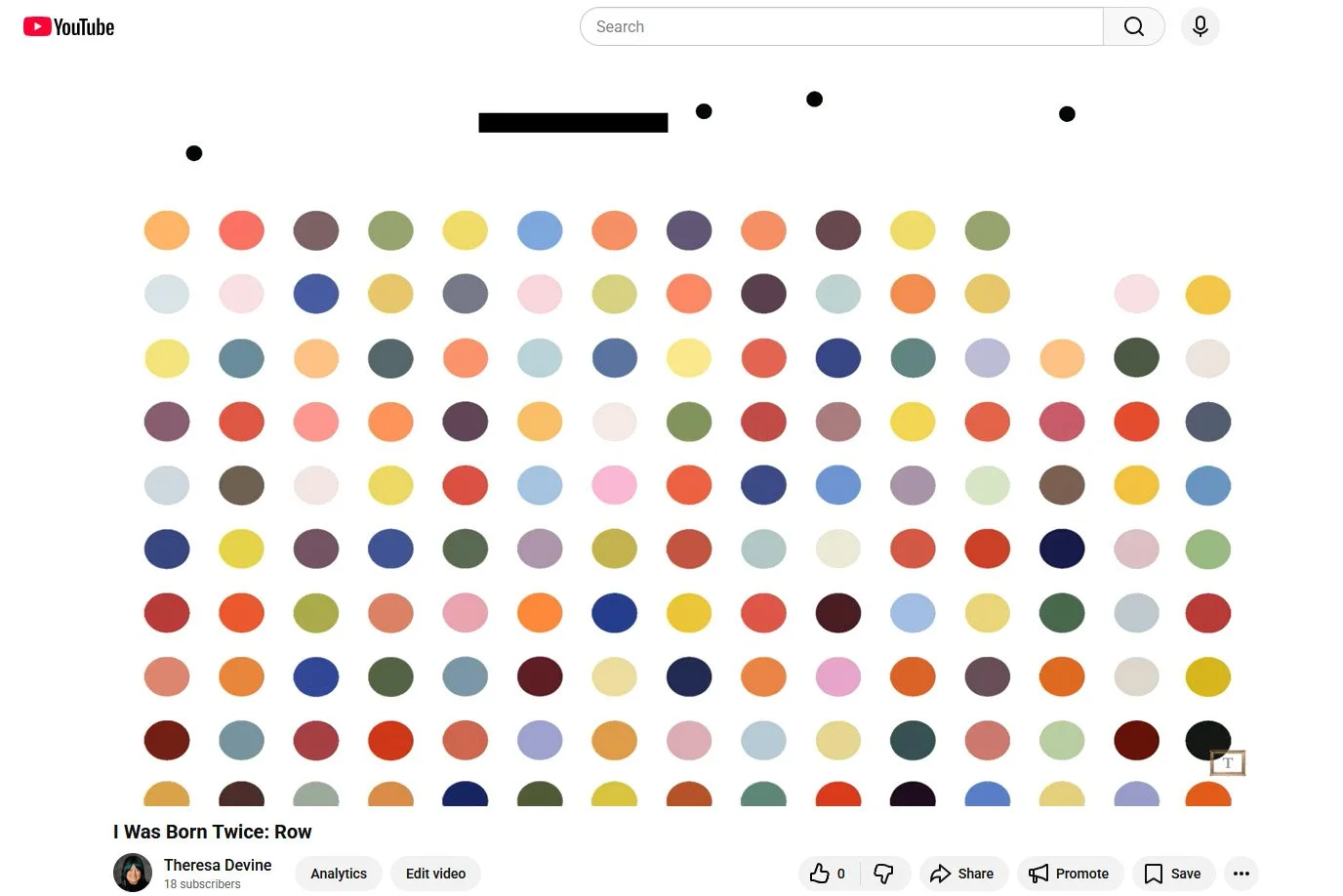
Click here to watch video of gameplay for: I Was Born Twice, Row
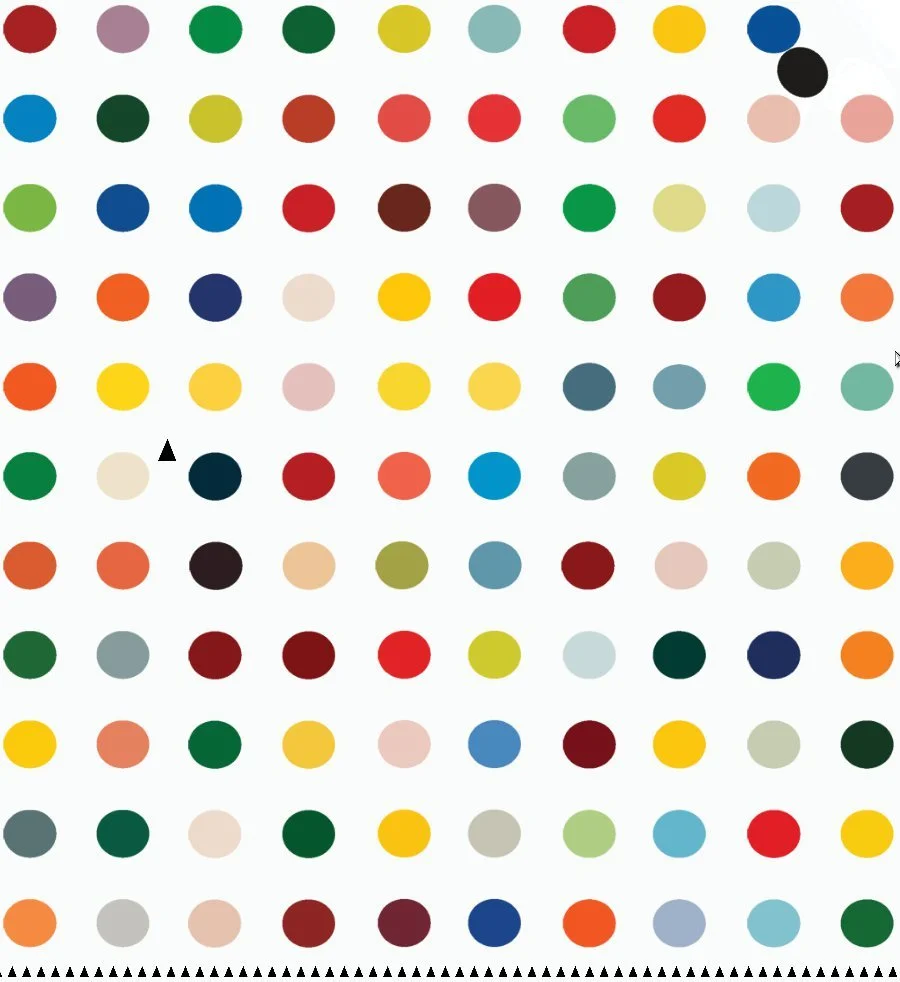
Here I Am Right Where I Shouldn't Be, 2015-2016, Video Game
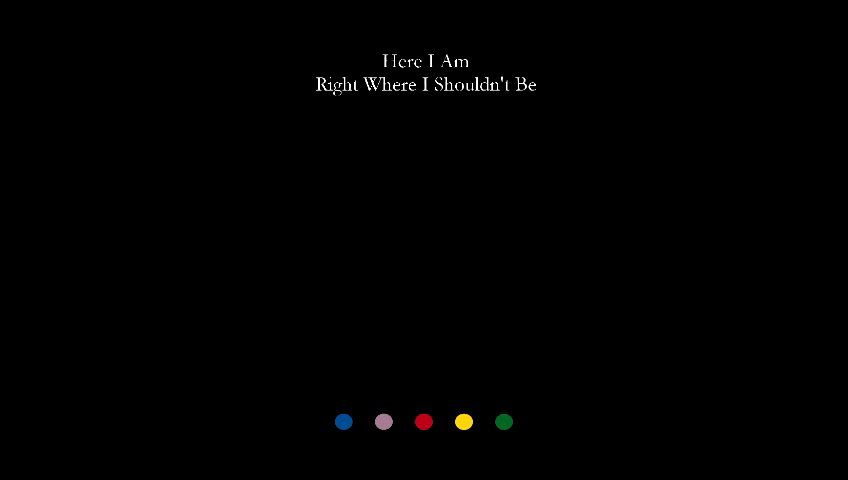
Title Screen: Here I Am Right Where I Shouldn't Be
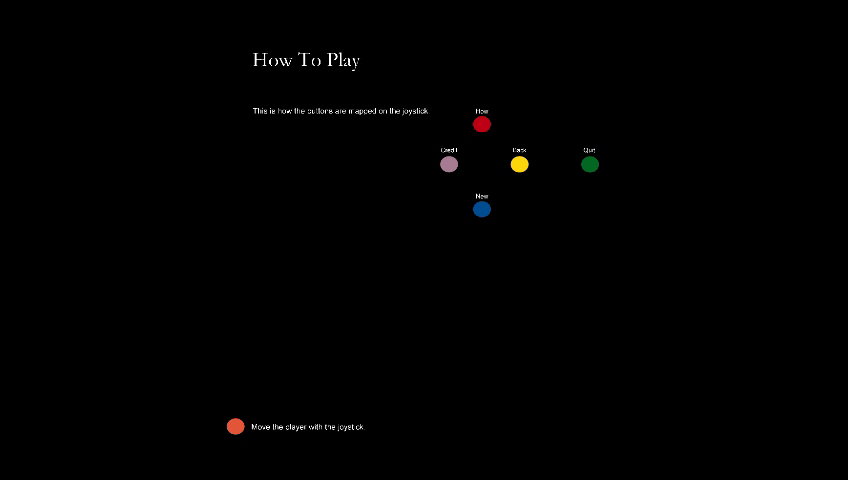
How To Play: Here I Am Right Where I Shouldn't Be
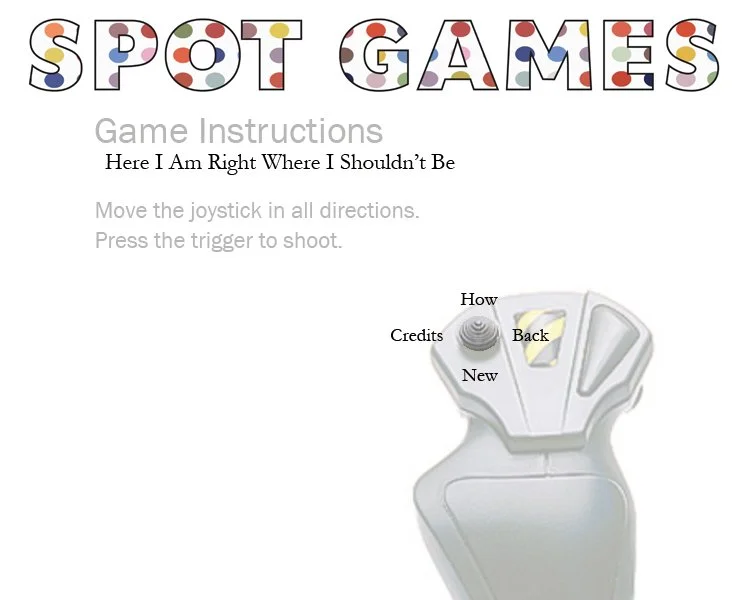
Gallery Instructions: Here I Am Right Where I Shouldn't Be
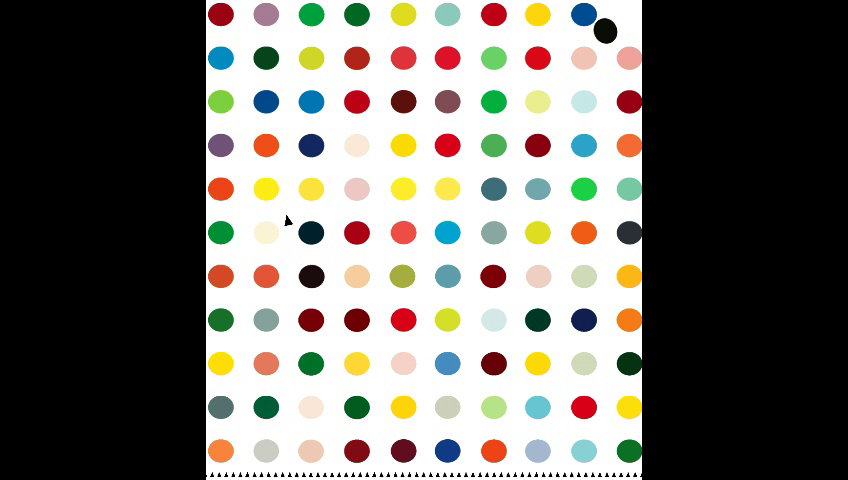
Gameplay: Here I Am (First 18 Seconds)
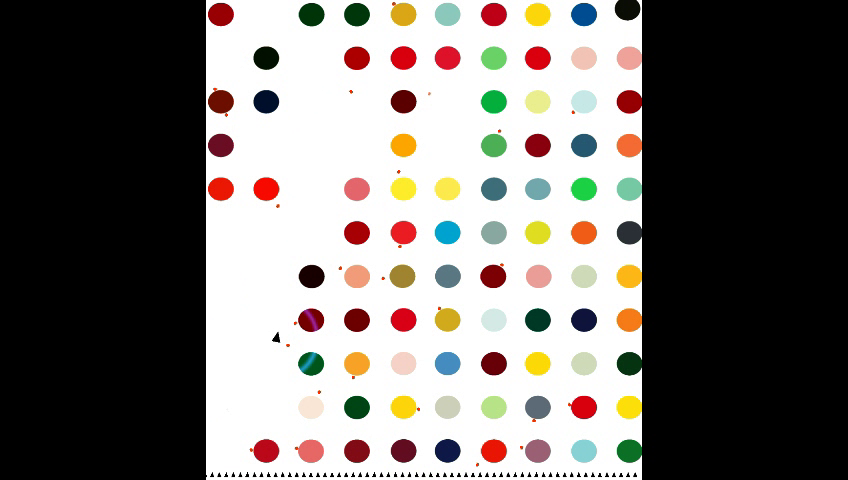
Gameplay: Here I Am (At 58 Seconds)
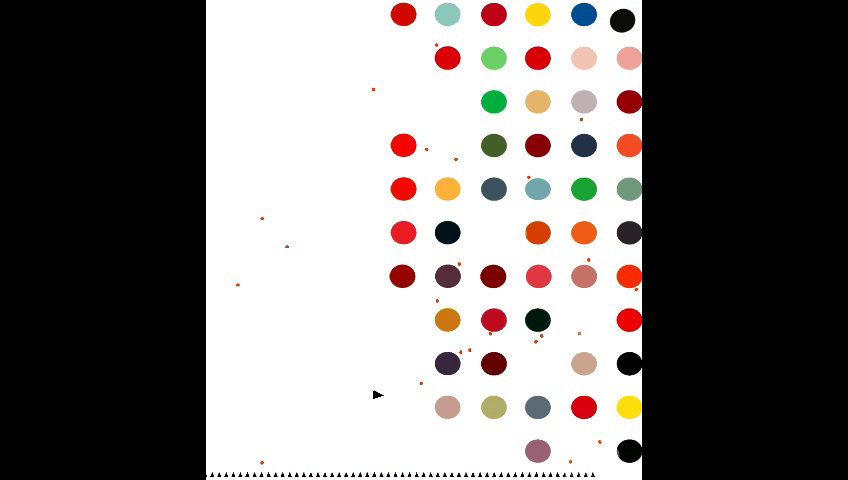
Gameplay: Here I Am (At 1 min, 46 Seconds)
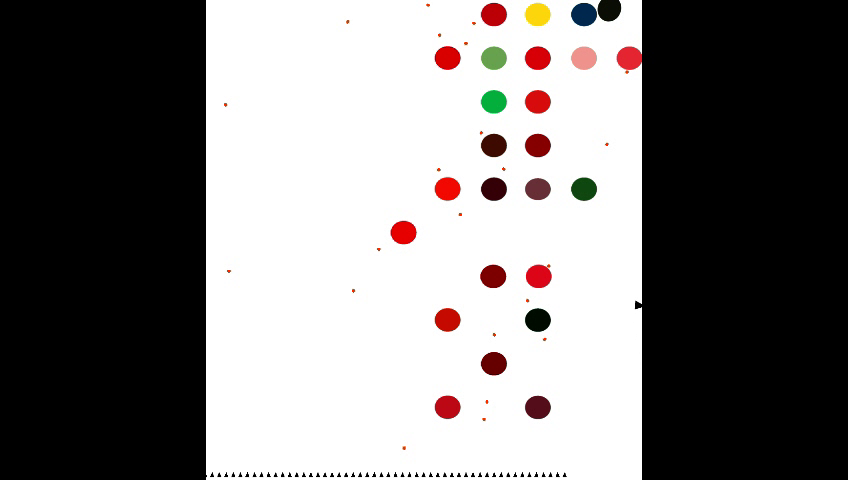
Gameplay: Here I Am (At 2 min, 22 Seconds)
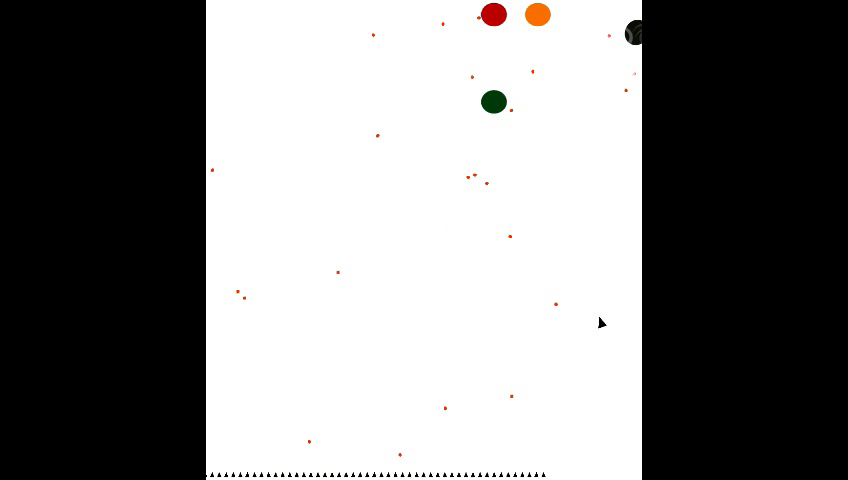
Gameplay: Here I Am (At 3 min, 01 Seconds)
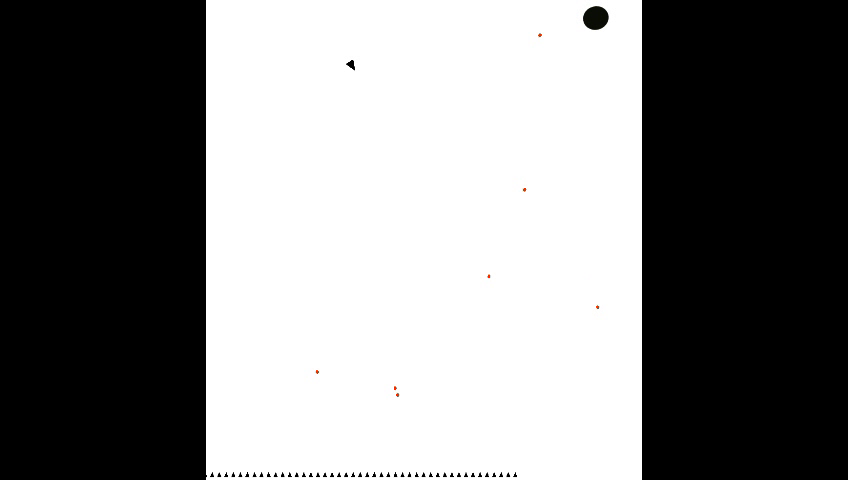
Gameplay: Here I Am (At 3 min, 50 Seconds)
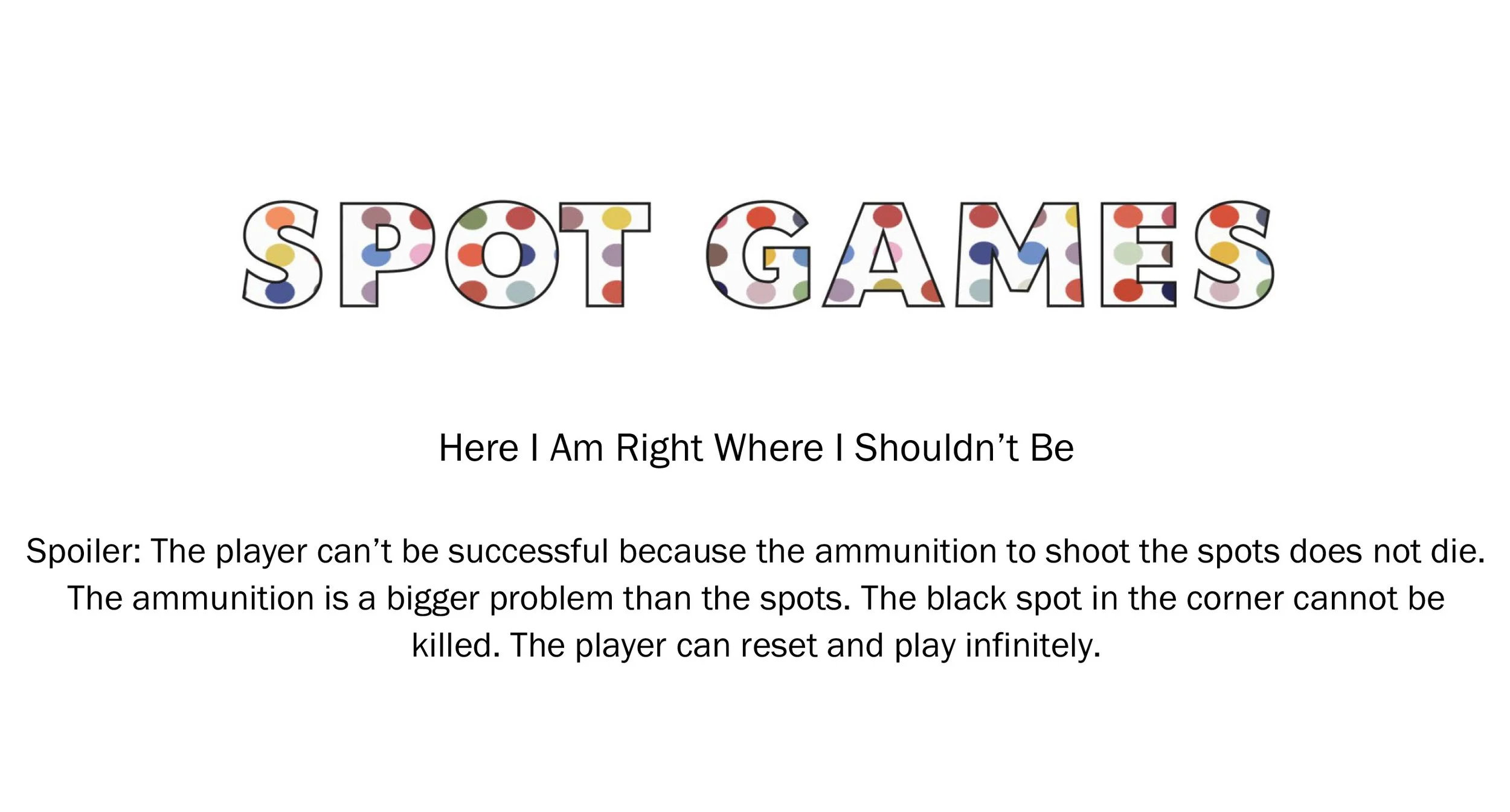
Spoiler: Here I Am Right Where I Shouldn't Be
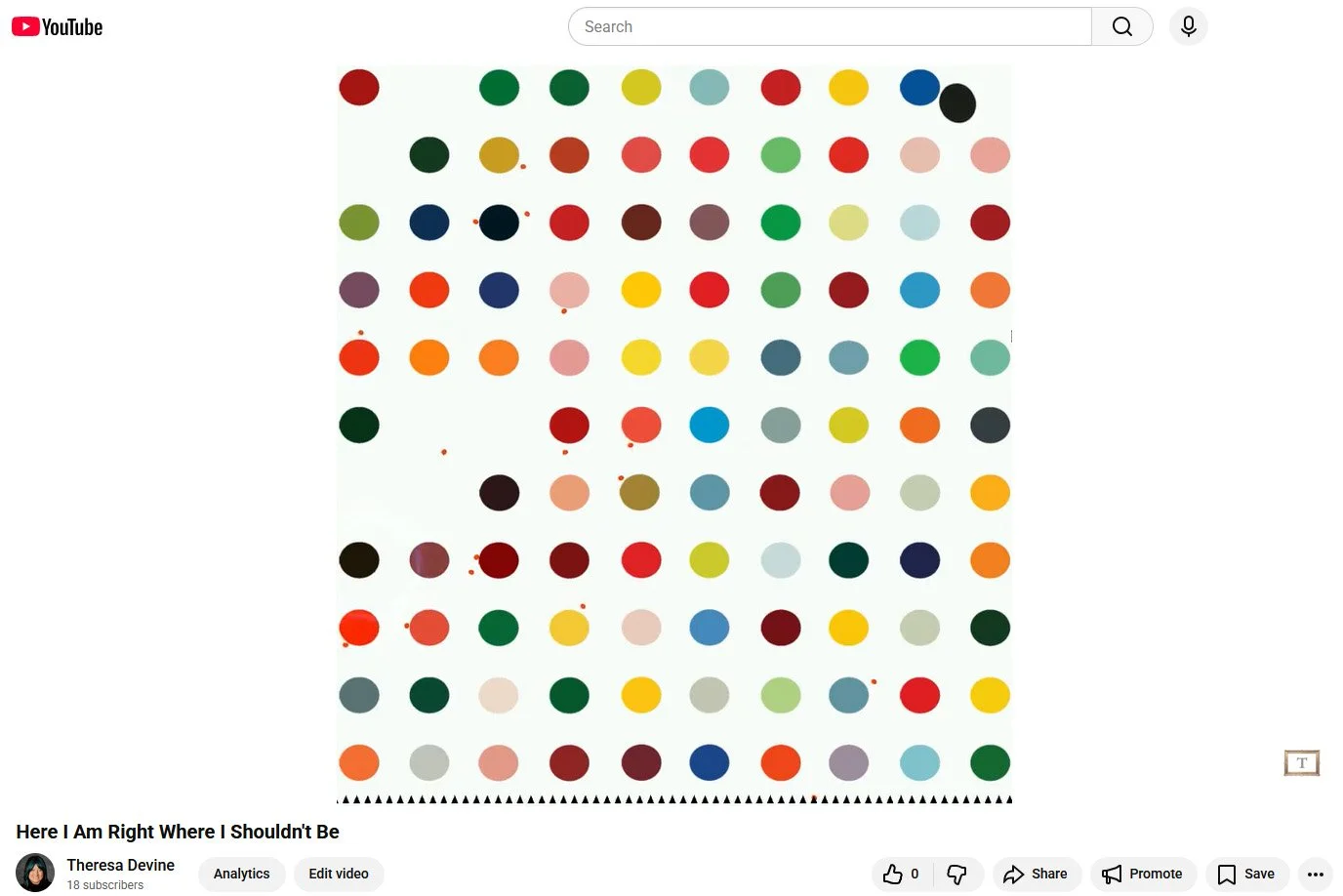
Click here to watch video of gameplay for: Here I Am Right Where I Shouldn't Be
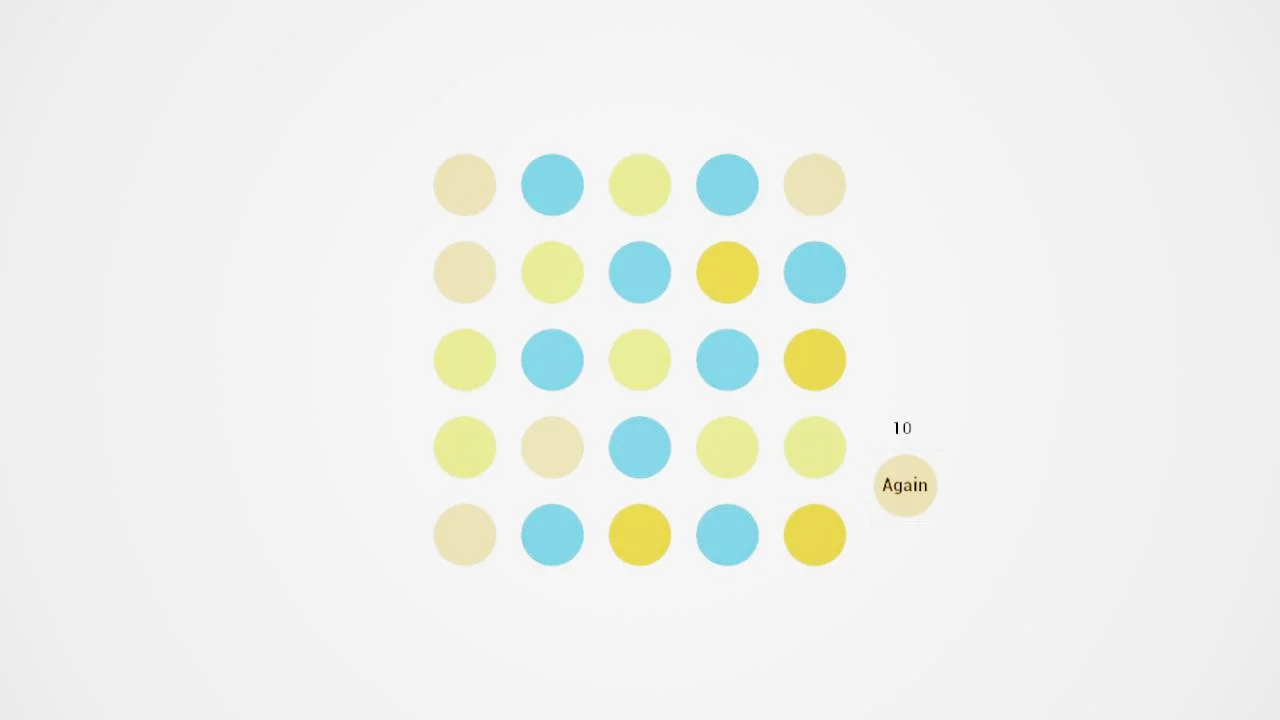
Controlled Substances One, 2015-2016, Video Game
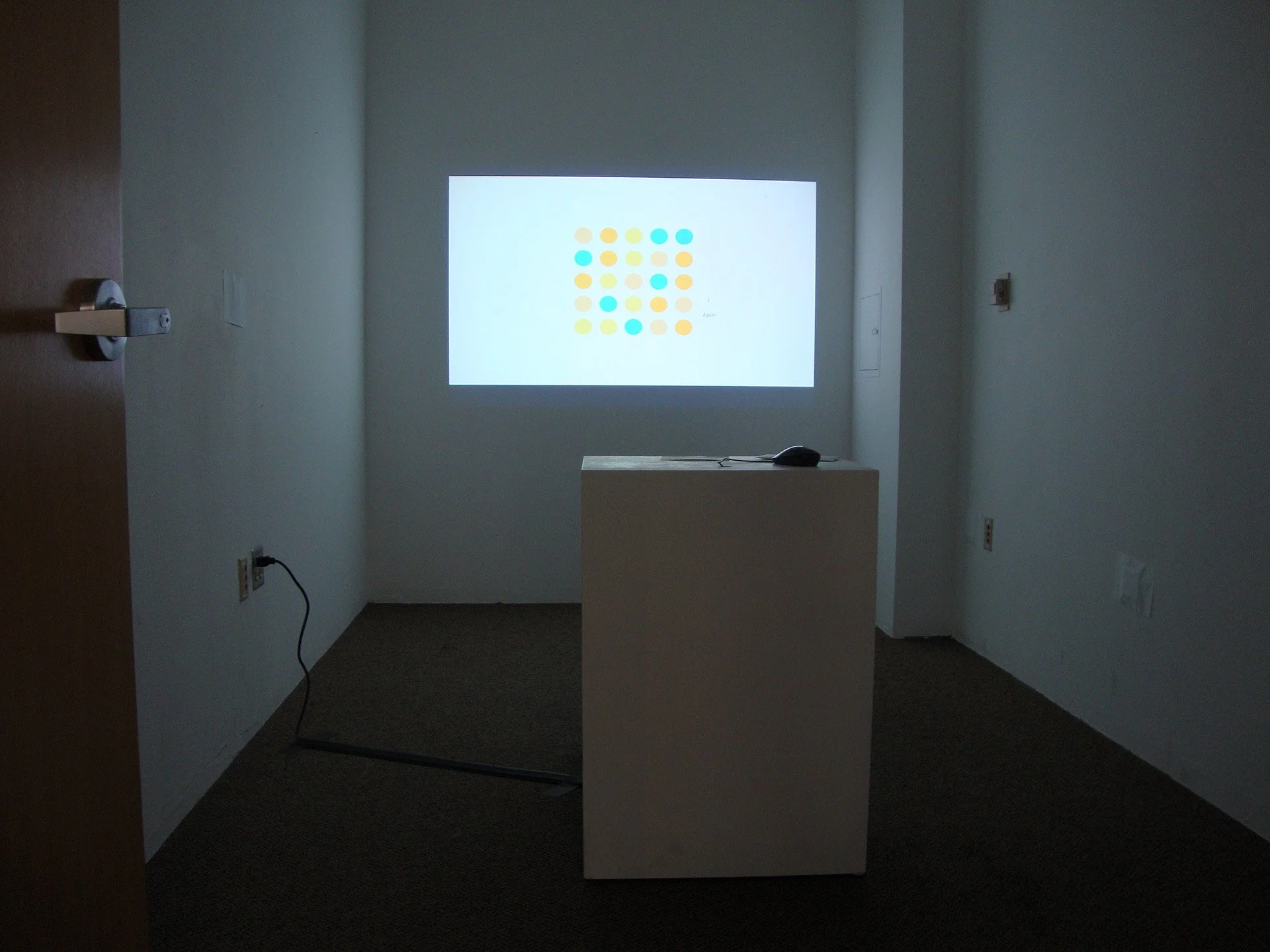
Installation, First Impression: Controlled Substances, One
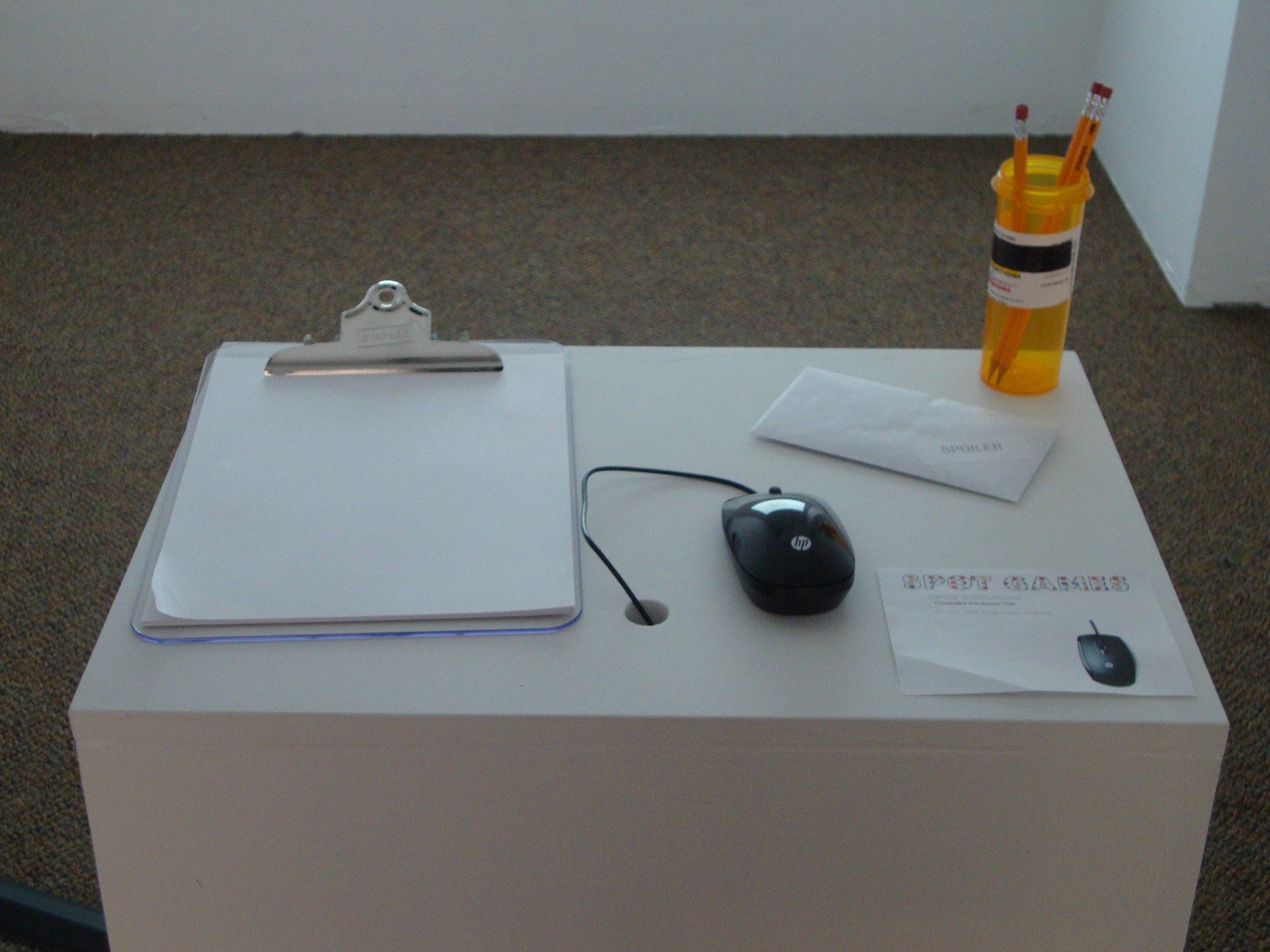
Installation, Player Entering Liminal Space
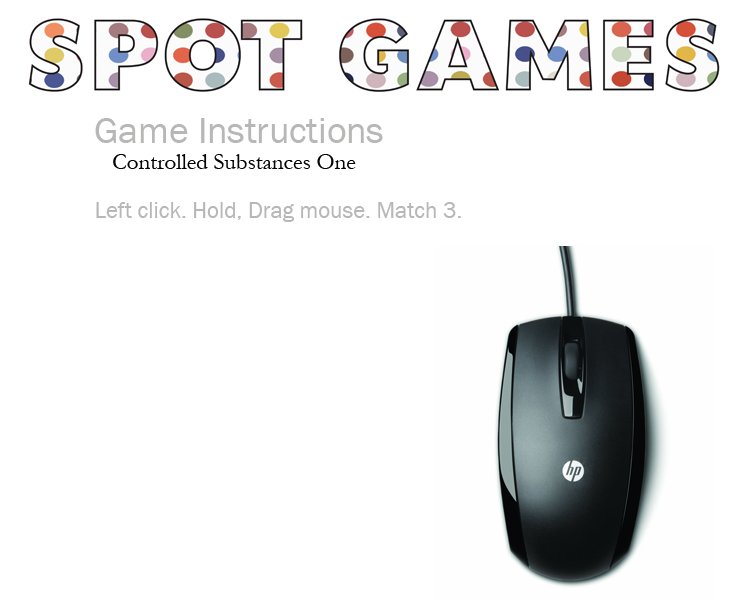
Gallery Instructions: Controlled Substances, One, Side 1
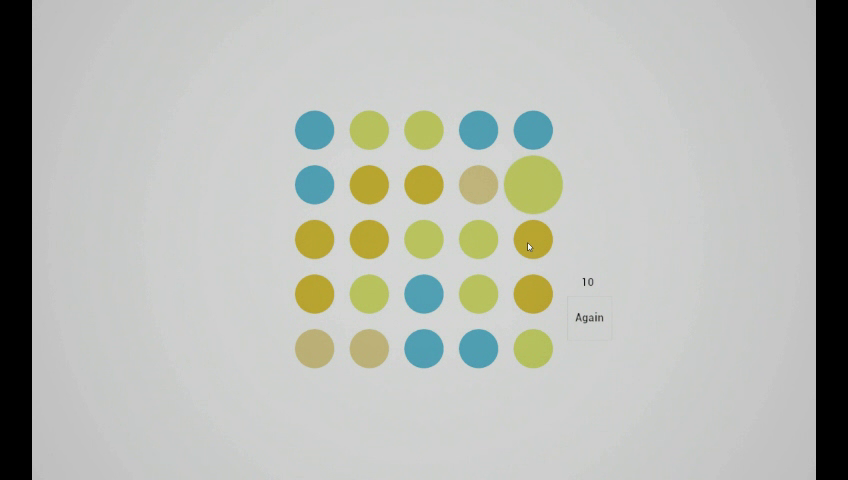
Gameplay: Controlled Substances, One (First 10 Seconds)
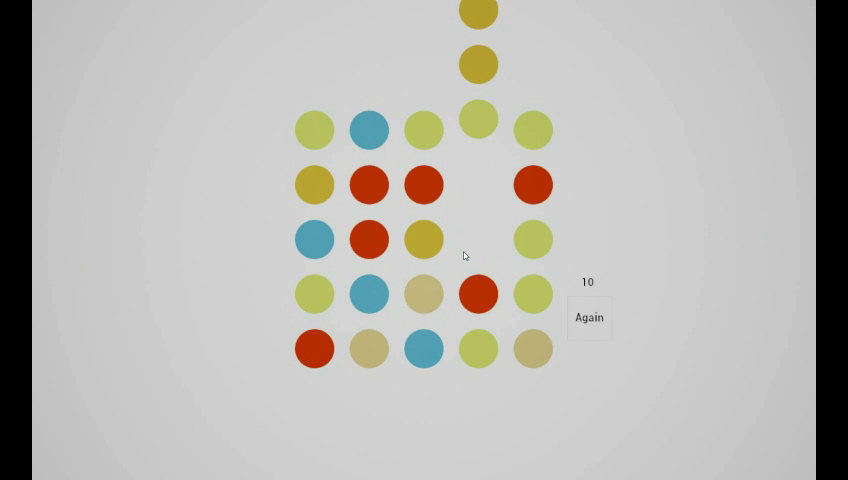
Gameplay: Controlled Substances, One (At 1 min, 09 Seconds)
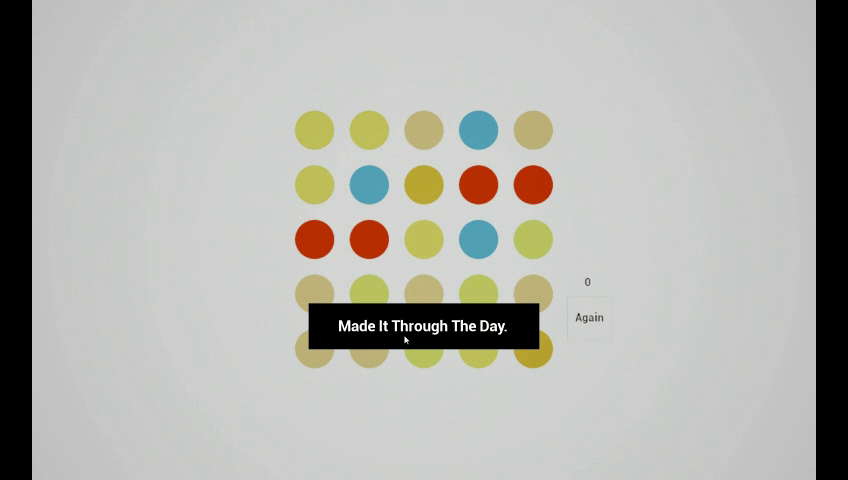
Gameplay: Controlled Substances, One (At 3 min, 40 Seconds)
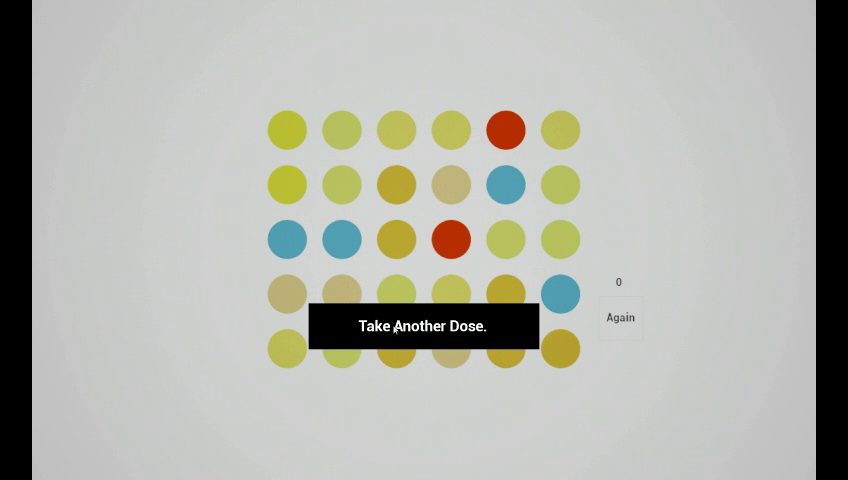
Gameplay: Controlled Substances, One (At 5 min, 19 Seconds)
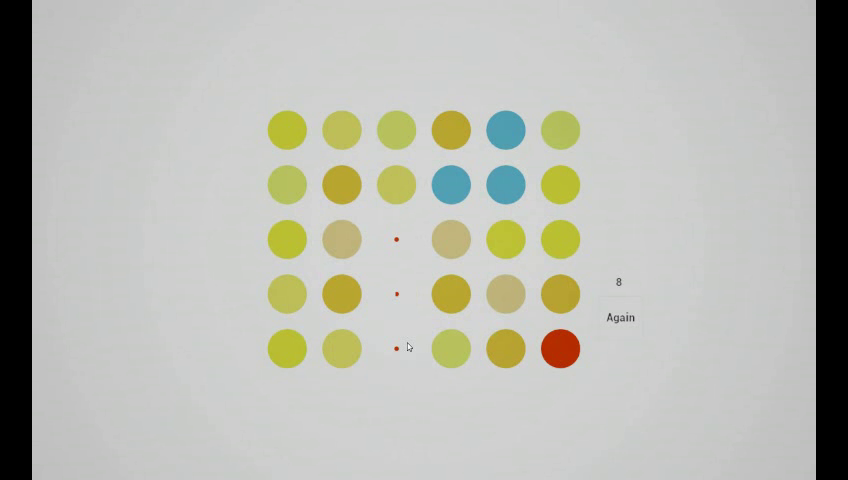
Gameplay: Controlled Substances, One (At 6 min, 00 Seconds)
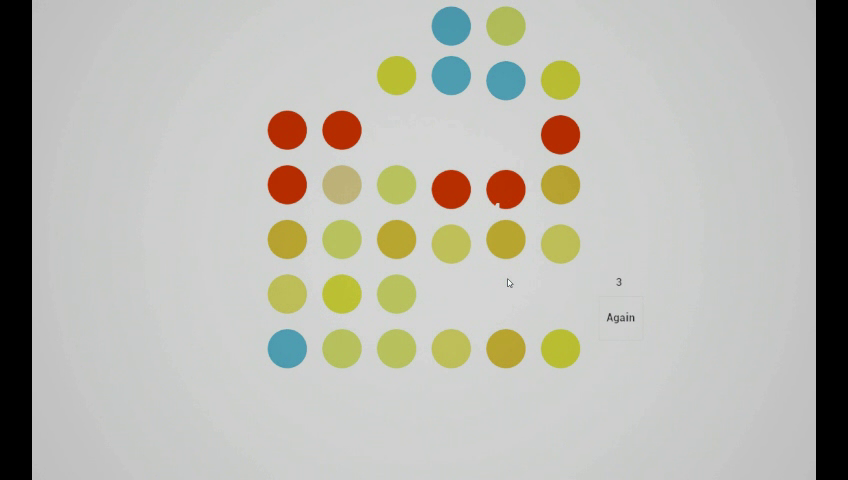
Gameplay: Controlled Substances, One (At 7 min, 24 Seconds)
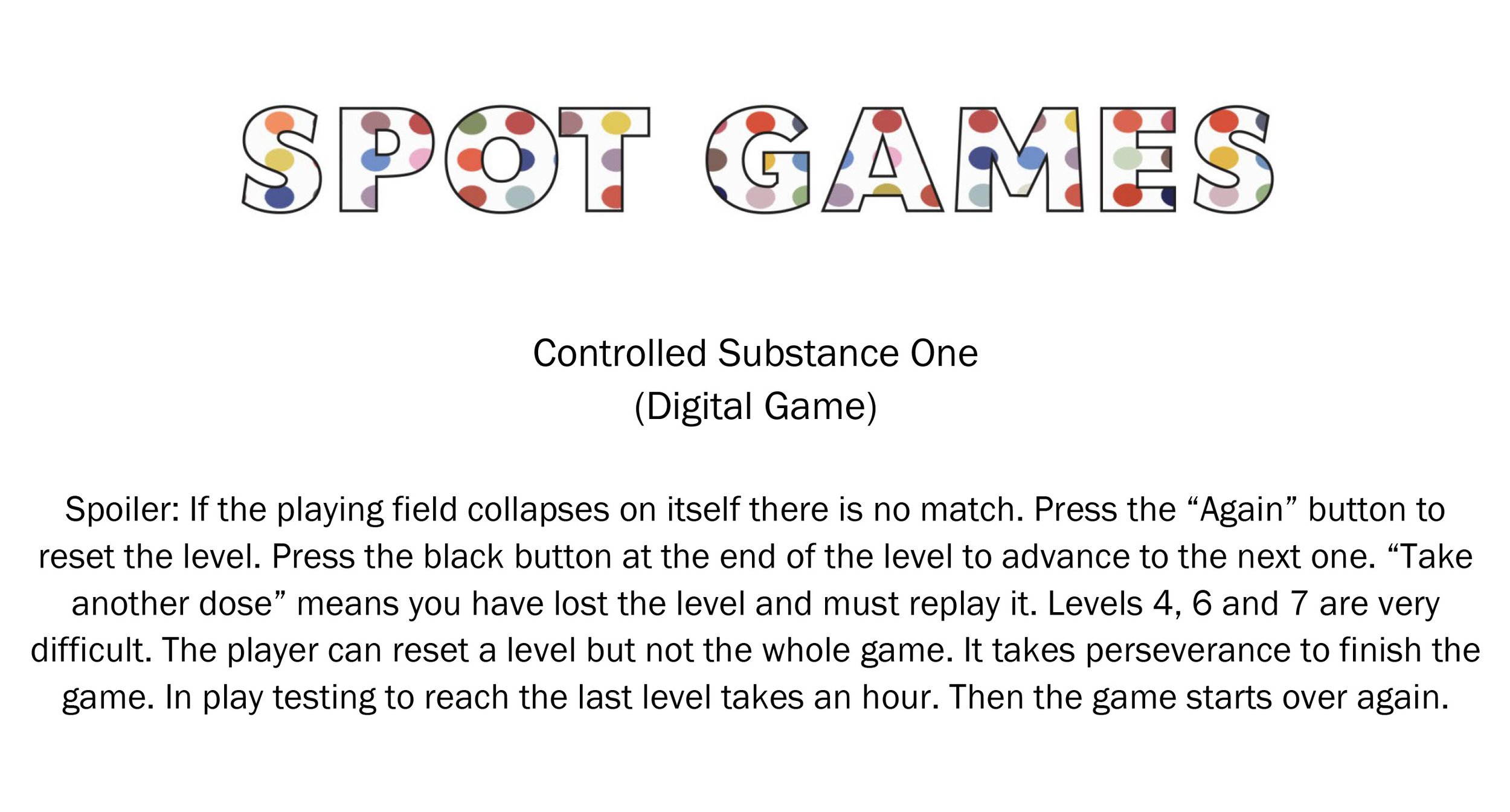
Spoiler: Controlled Substance, One
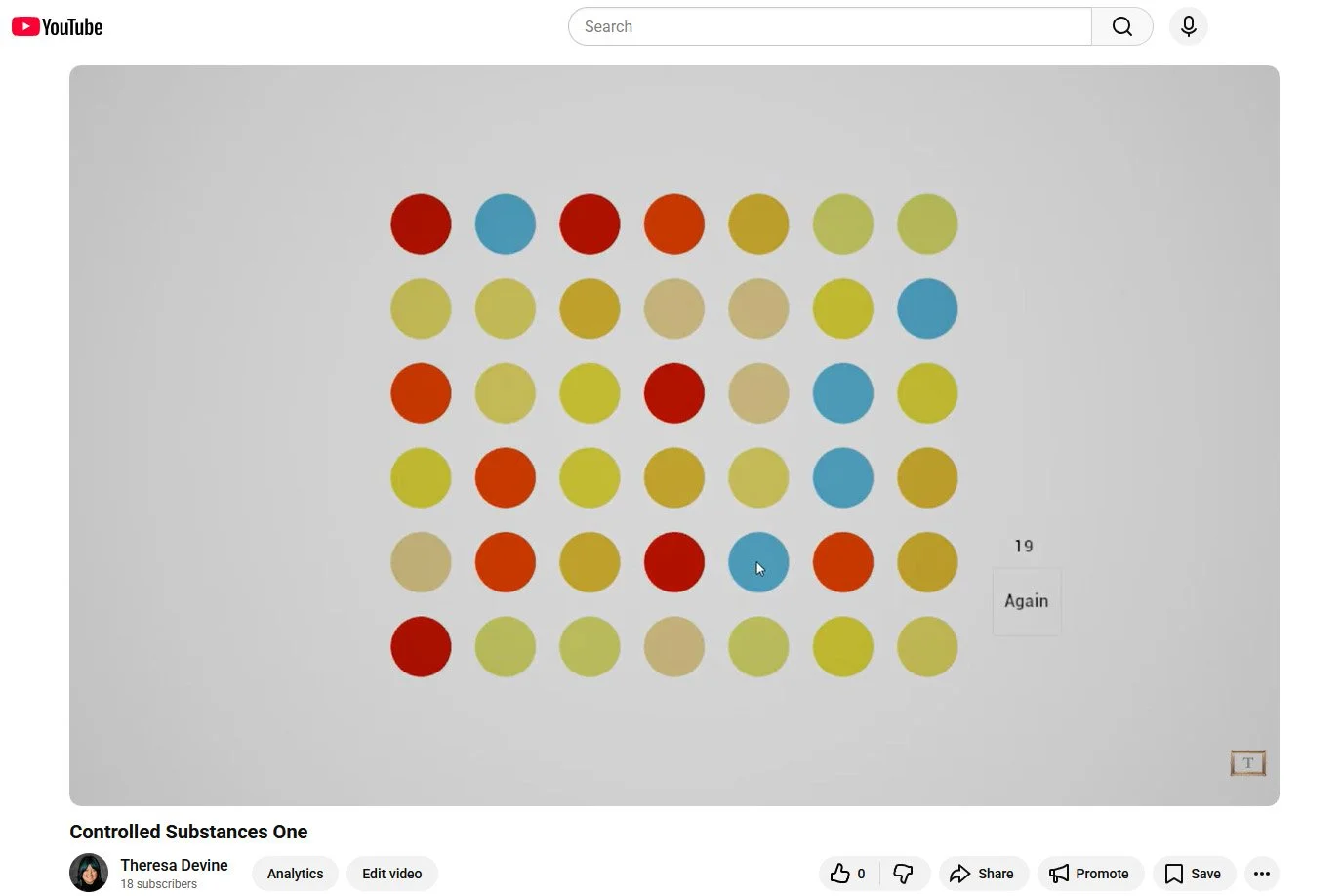
Click here to watch video of gameplay for: Controlled Substance, One