Fortuitous Orbits and the Hazards They Contain
“Life is play. It’s what we do when we pretend, imagine, create, play around. We create alternatives. We generate variability. Not out of necessity. Out of whim. We proliferate games and stunts and skills no one needs. Not out of the need to adapt, to change. But rather out of the need for fun. And if play is all about adaptive potentiation, and, at least from the perspective of cancer cells and the survival and evolution of our species, and probably every species, variability is what makes the whole thing work – then all of it is play. All of it. Play is in our very blood. Literally. All of it, of life is play. At its most fundamental level.” - Bernie DeKoven (1941 - 2018)
Structured yet purposeless, evocative and symbolic, play can be anywhere and everywhere. It spans the world of the senses, engaging with lived experience in every dimension. As such, play is one of the most important connections to our shared humanity. In this exhibition, the work of artists Heather Kelley and Theresa Devine demonstrate this broad-ranging connection, showing play’s ability to lower our defenses and open us to our interdependence.
The dialogue that the pairing of this work invokes many conceptual, playful, and sensual nuances which engage the audience to experience their humanity with their whole being and not just through sight and mind. Each gallery presents two playworks to consider: separately, together, conceptually, formally, historically, and contemporaneously. The exhibition is an environment for the work to be in a fortuitous orbit, revealing possible hazards and discoveries contained within each consideration, as the players’ experience what the installation has to offer up.
2018-2019
“Put something in the box and sign. Then, this is a work of us.” from You and Me, 1981– Takako Saito (b. 1929)
“SUGAR” and "Untitled Grin and Bear It" (Portrait of Theresa in Phoenix) in dialogue.
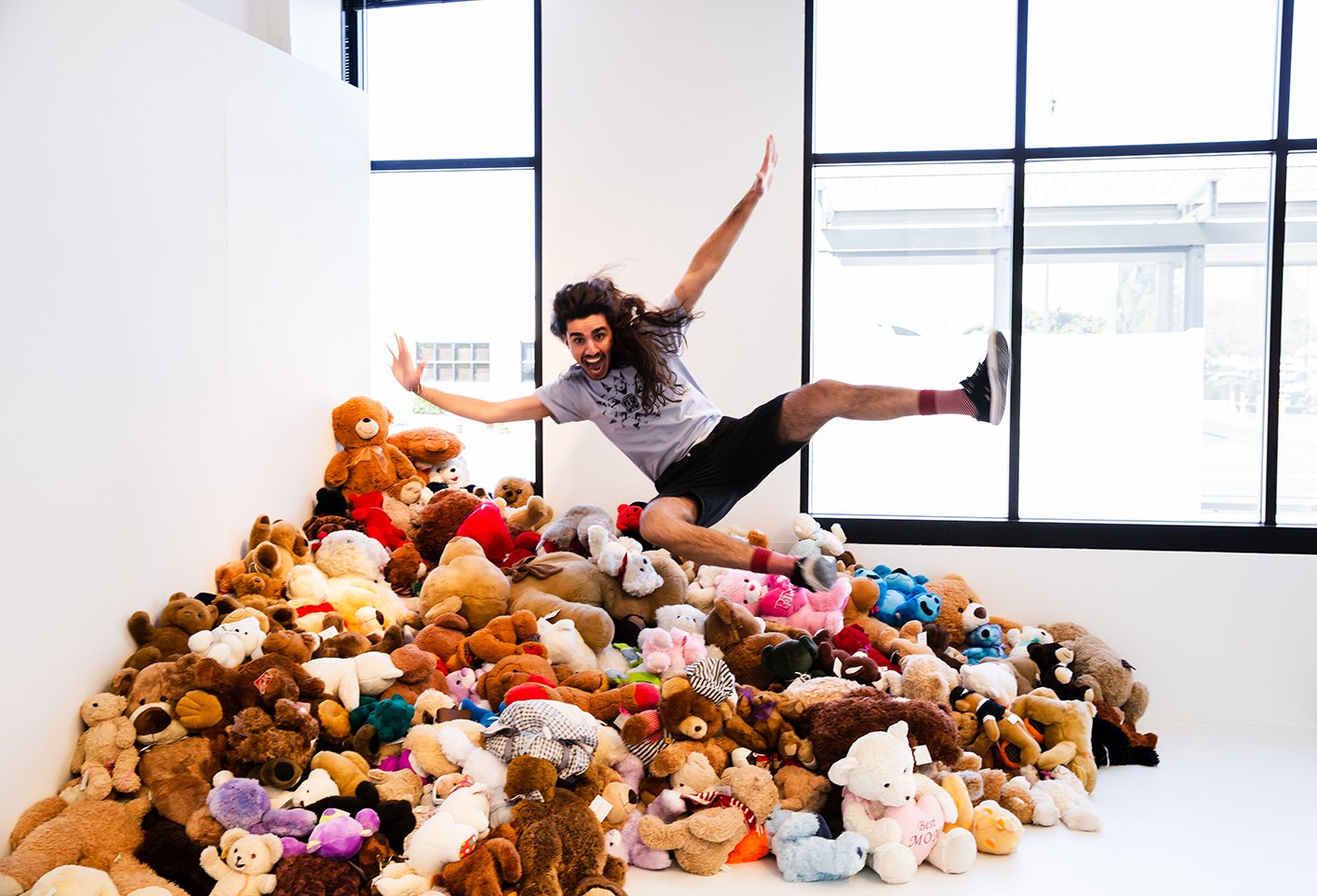
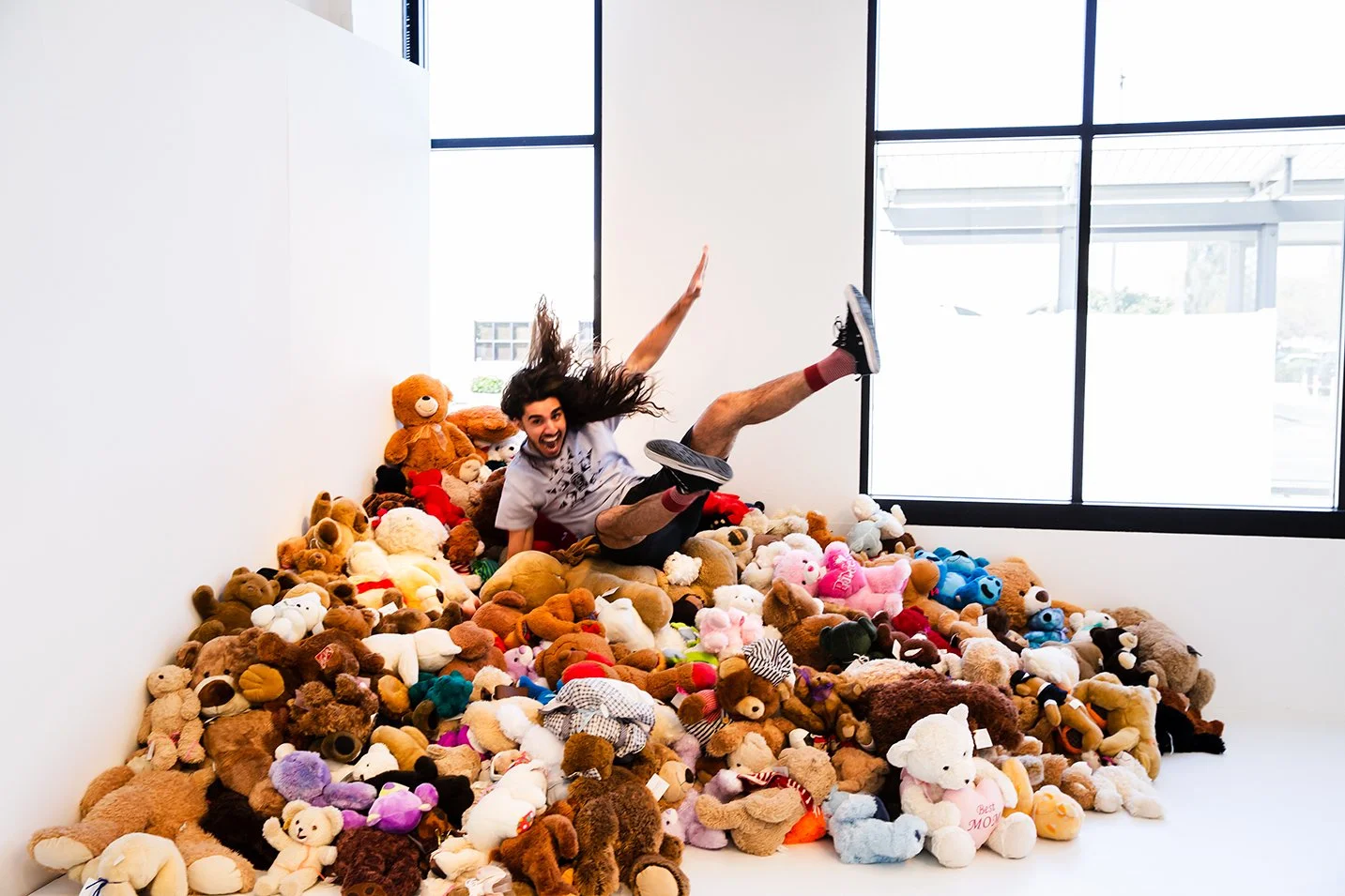
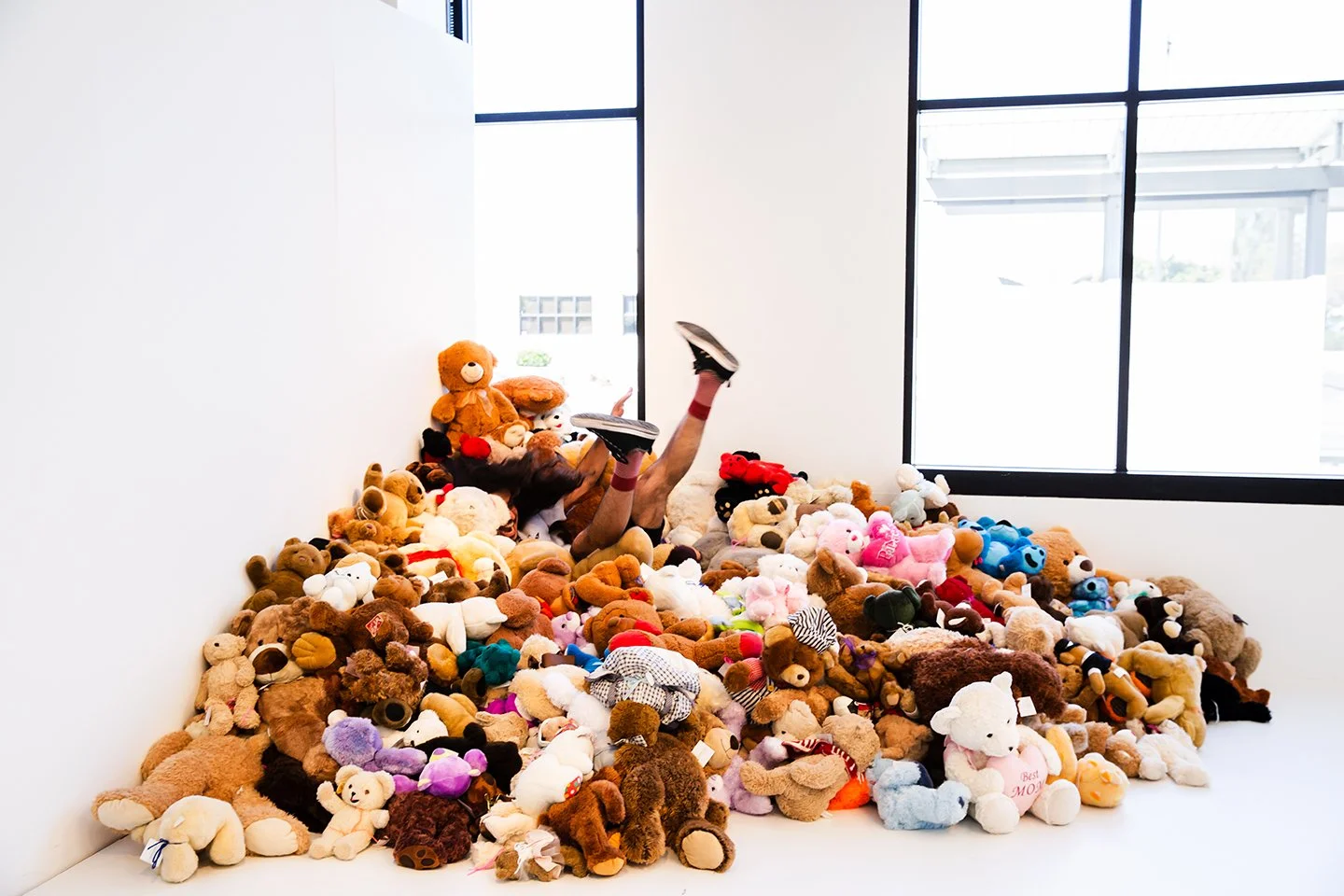
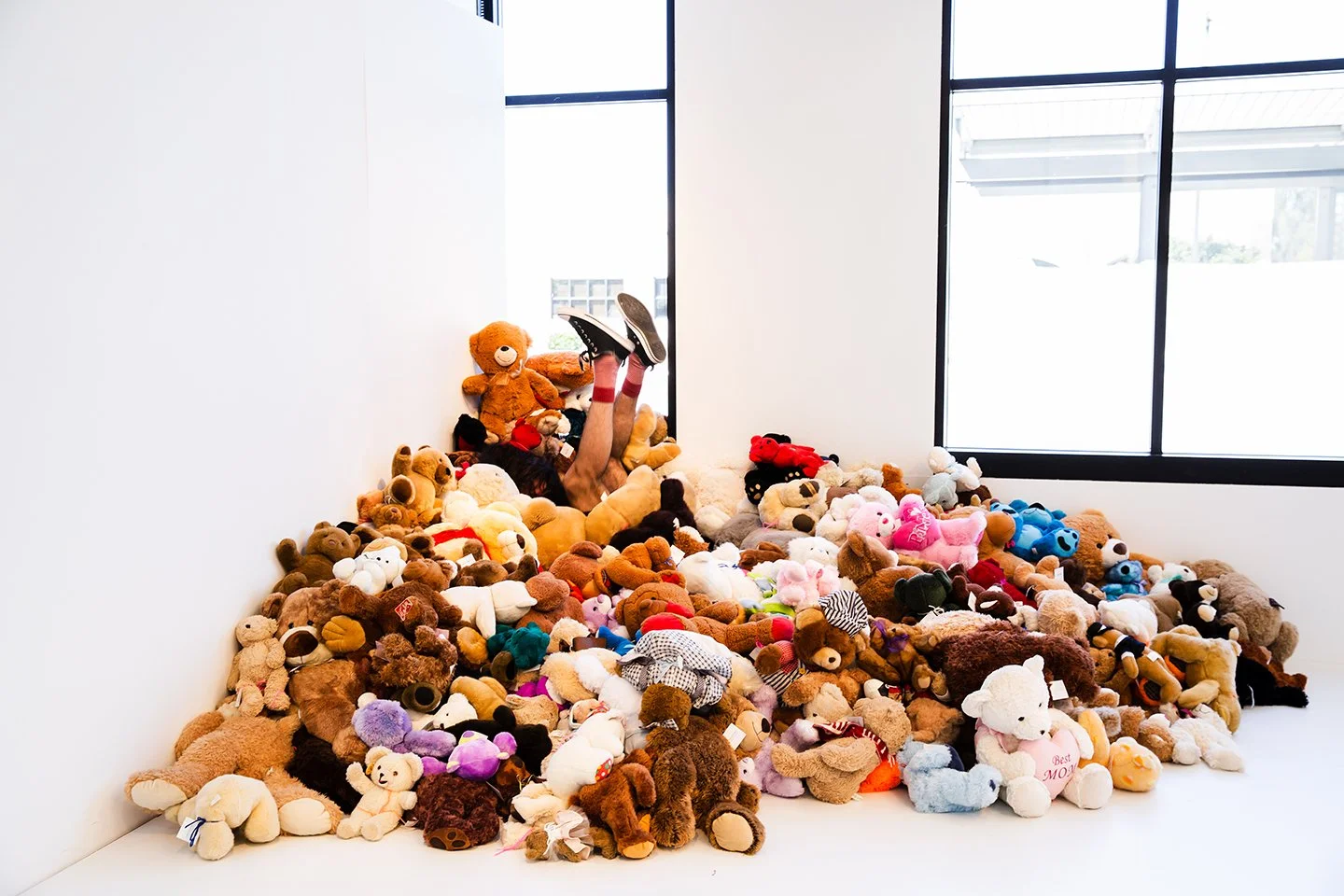
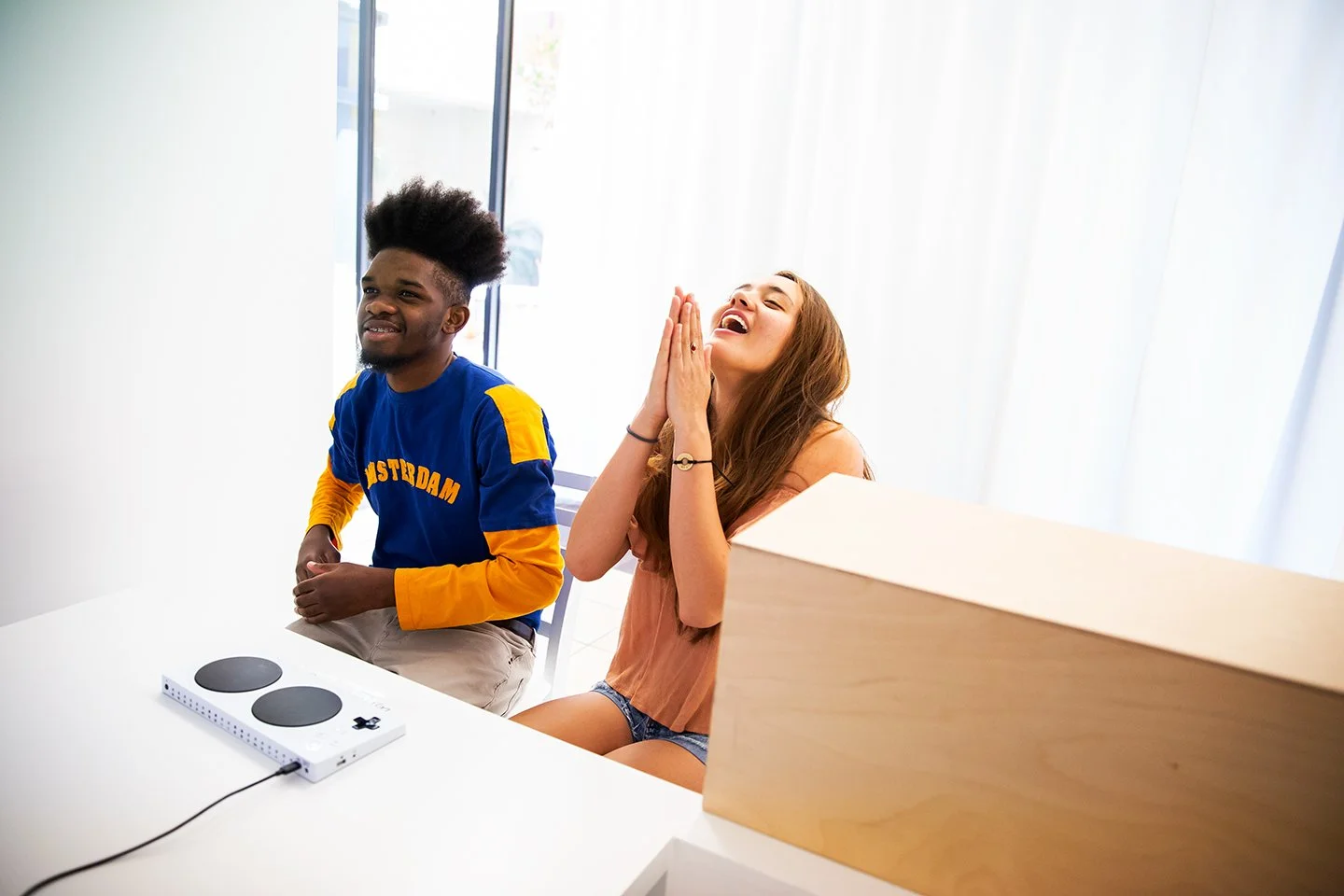
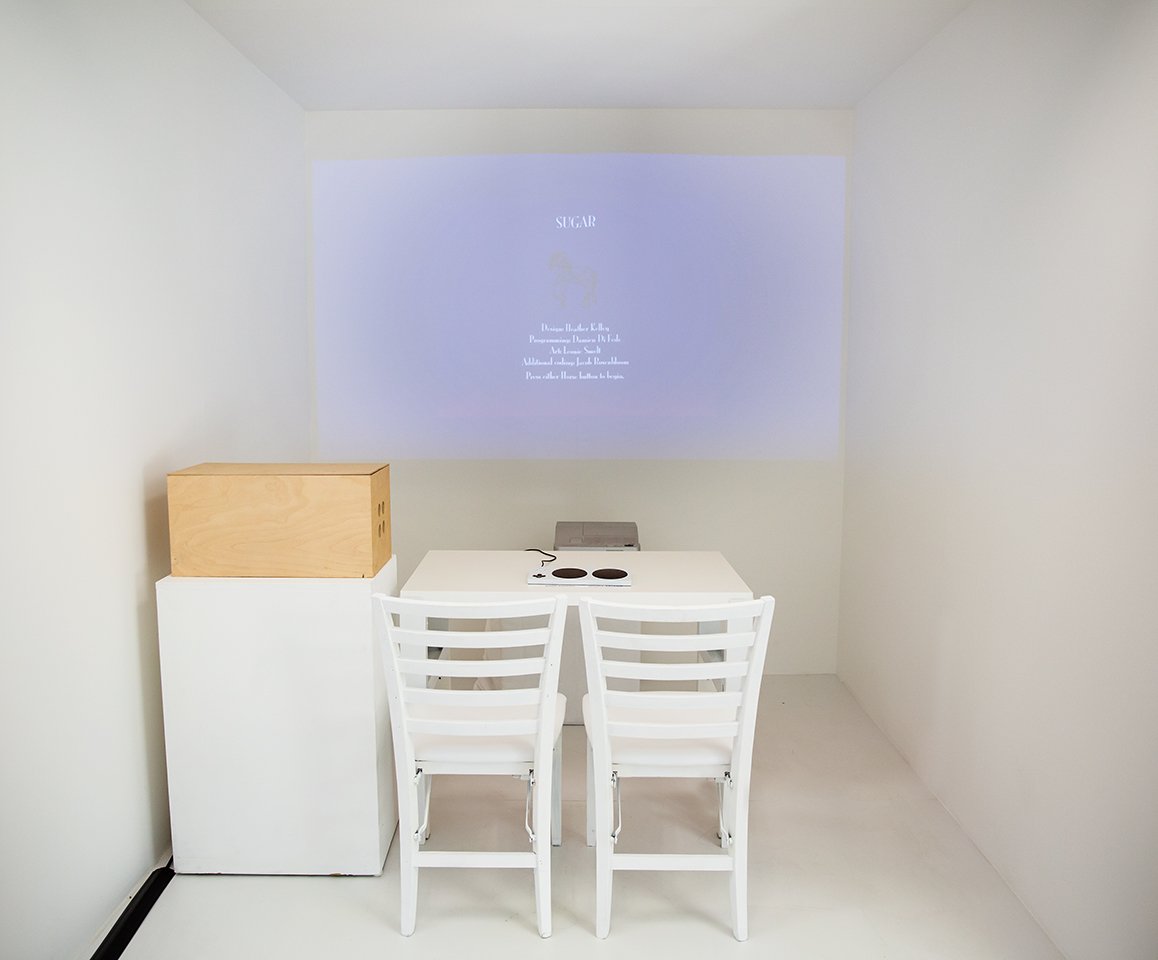
The curatorial pairing of these pieces speaks to the sensory aspect of play. In “SUGAR” the sense that is activated is smell; and in "Untitled Grin and Bear It" (Portrait of Theresa in Phoenix) it is about the sense of touch. These two works approach play as a performative, embodied experience and invite the viewer to let go of socially normalized expectations. “SUGAR” asks the player to expand their video game controller expectations that use only sight and sound to discern meaningful decisions; "Untitled Grin and Bear It" asks the gallery viewer to break normalized gallery behavior and take home a piece of the play experience in the form of a teddy bear.
Some contemporary and art historically significant artists who use the senses of smell and touch are Jessica Lagunas, Sissel Tolaas, Maki Ueda, Anicka Yi, Ernesto Neto, Angela Ellsworth, Muriel Magenta, and Joseph Beuys.
Contemporary artists who use toy assemblage are: Freya Jobbins and Robert Bradford. Other interesting art toys are made by Jason Freeny, KAWS, and Brett Kern
“Body Heat" and "It's Still A Boys Club” in dialogue.
Gallery 2. The curatorial pairing of “Body Heat" and "It's Still A Boys Club” addresses different aspects of the gendered experience. No matter what your gender, there will be rules, injustices, pleasure and intimacy, and other deeply nuanced experiences that inform our life stories. It is the curator’s thought that, as we go forward, we recognize and validate each other’s’ stories so that we can be awake in forming a balanced future together. A list of artists for further study follows:
Artists who use objectified images of women: Egon Schiele, Henri Matisse, Jeff Koons
Artists to use misogynistic images of women: Allen Jones, Mel Ramos
Artists who examine their own sexuality: Andy Warhol, Robert Mapplethorpe, Sarah Lucas
Artists commenting on sexual taboo: Rembrandt van Rijn, Marco Alberti
Artists who make work that is centered on Social Injustice: Francisco Goya, Guy Debord, Gorilla Girls, The Yes Men, Ai WeiWei, Jacob Meders, Michael Ray Charles
“SuperHyperCube” and “Beyond What You See” in dialogue.
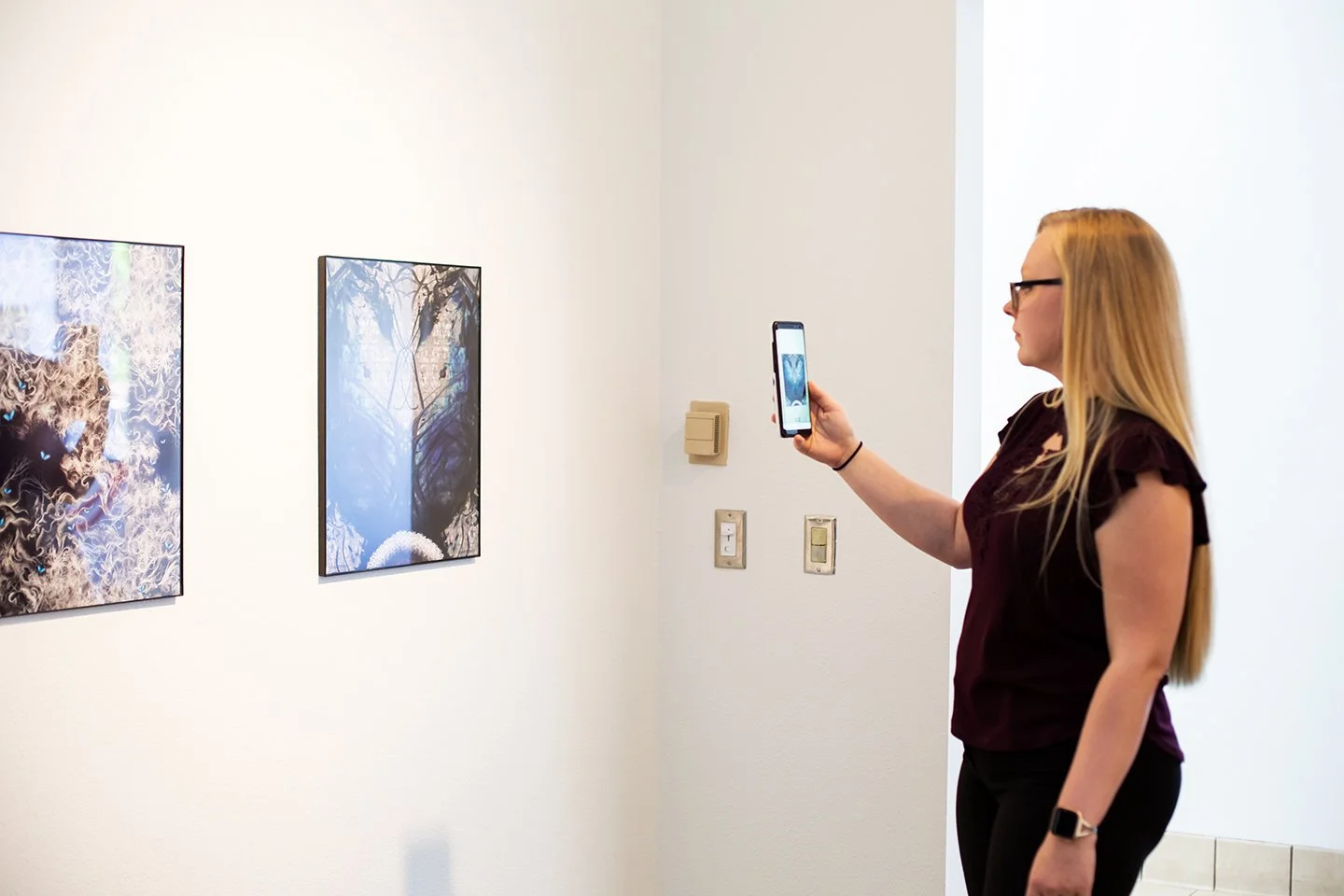
Gallery 3 pairs abstract Virtual and Augmented Reality play experiences. It is a pairing that asks the viewer to consider the metaphysical aspect of play. This work is in dialogue with the history of abstraction in painting. Abstraction has been termed as a way to “see” beyond what is visible and to reveal the “essence” of our true reality. The macroscopic and the microscopic become one (Berger, 1972). The aesthetic theory that surrounds abstraction has been influenced by beliefs held by eastern religions since the first paintings of Paul Cézanne that took a step away from how things appear to be in order to capture the spirit of the subject (INAGA, 2015; Kandinsky, 1947, 2014). This pairing of “Beyond What You See” and “SUPERHYPERCUBE” brings the timeless investigation of questioning the meaning of human existence through abstraction into the 21st century and builds a bridge between the Artworld (Danto, 1964) and the Gameworld (Devine, 2015).
Abstract Painting: Mark Rothko, Ellsworth Kelly, Willem de Kooning, Lee Krasner, Robert Motherwell, Helen Frankenthaler
Artists that influenced “SUPERHYPERCUBE”: Dan Flavin, John Whitney Sr., James Turrell
Other artists in the “Light and Space” movement: Mary Corse, Maria Nordman, Susan Kaiser Vogel, Douglas Wheeler, Robert Irwin
Other artists in or associated with Group ZERO: Heinz Mack, Günther Uecker, Yves Klein, Piero Manzoni, Lucio Fontana, Jean Tinguely
Artists that use Virtual and Augmented Reality: Nicola Plant, Jon Rafman, Raluca Bararu, Victor Fota
“Dependence” and “Indulgent Engine” in dialogue.
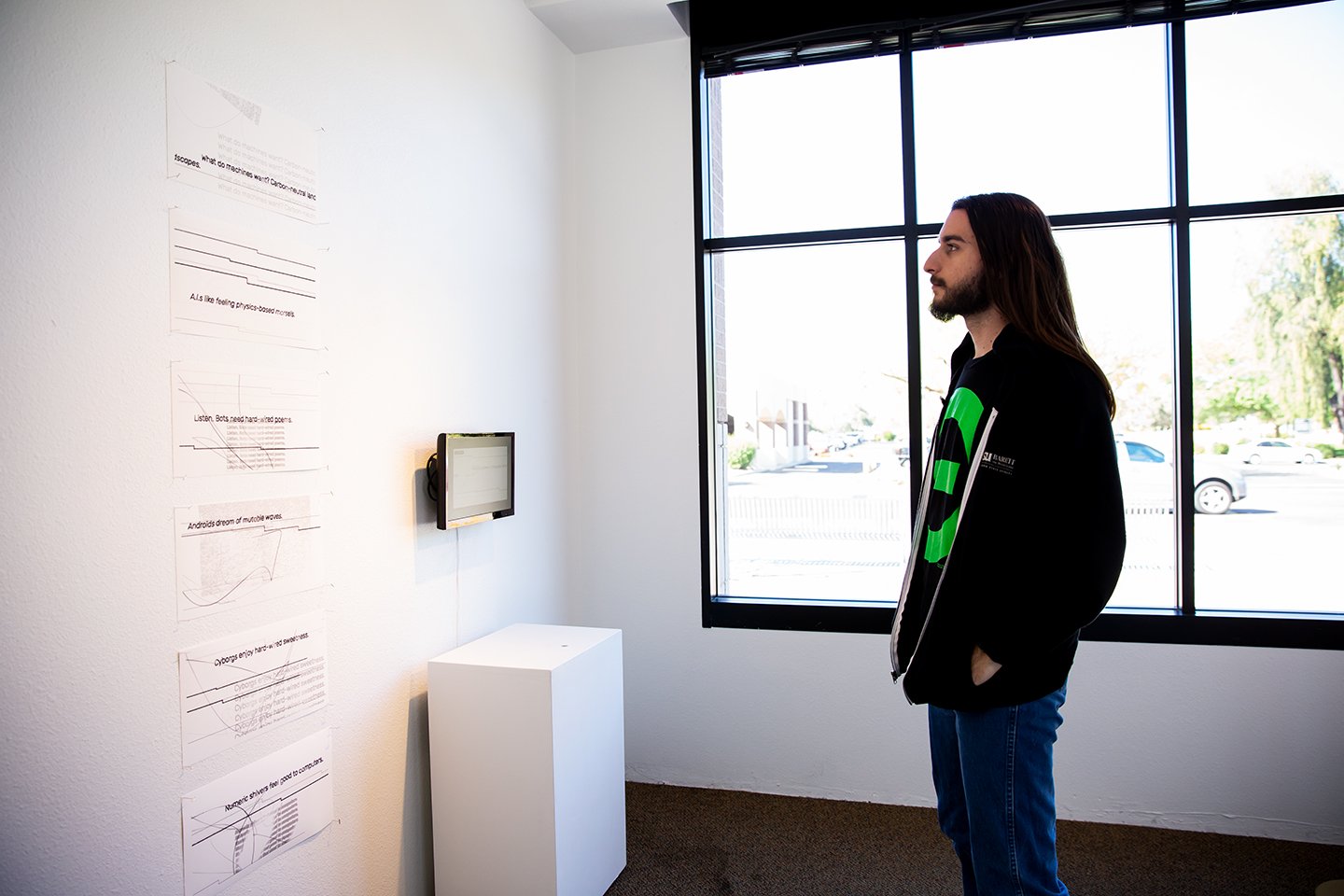
Gallery 4 is about agency and who is allowed to enjoy it. "INDULGINE" assigns human agency to a computer that creates abstract pieces via an algorithm delivered to a twitter feed. "Dependence" is a piece that addresses the dehumanization and marginalization of people with disabilities through technology. This curatorial pairing and installation are in direct dialogue with “Cyborg Theory” as defined by Donna Haraway in her essay from 1985 (Haraway, 1991). In the manifesto, Haraway calls us all to action to construct our own identity by affinity rather than letting it be dictated by naturalist notions. This gives individuals the ability to create their own groups by choice. In this way, groups may reclaim the construction of identity "out of otherness, difference, and specificity (p. 155)" as a way to counter traditions of exclusive identification. Both of these works of art function in defining identity as a fusion between animal and machine and strive for a positive future trajectory in how those identities are perceived.
Artists who explore disability identity and empowerment: Riva Lehrer, Alison Lapper, Andy Slater, Kris Lenzo, Matt Bodett, Bill Shannon
Artists who use cyborg theory: Neil Harbisson, Lynn Hershman Leeson, Michele Fiedler, Wangechi Mutu

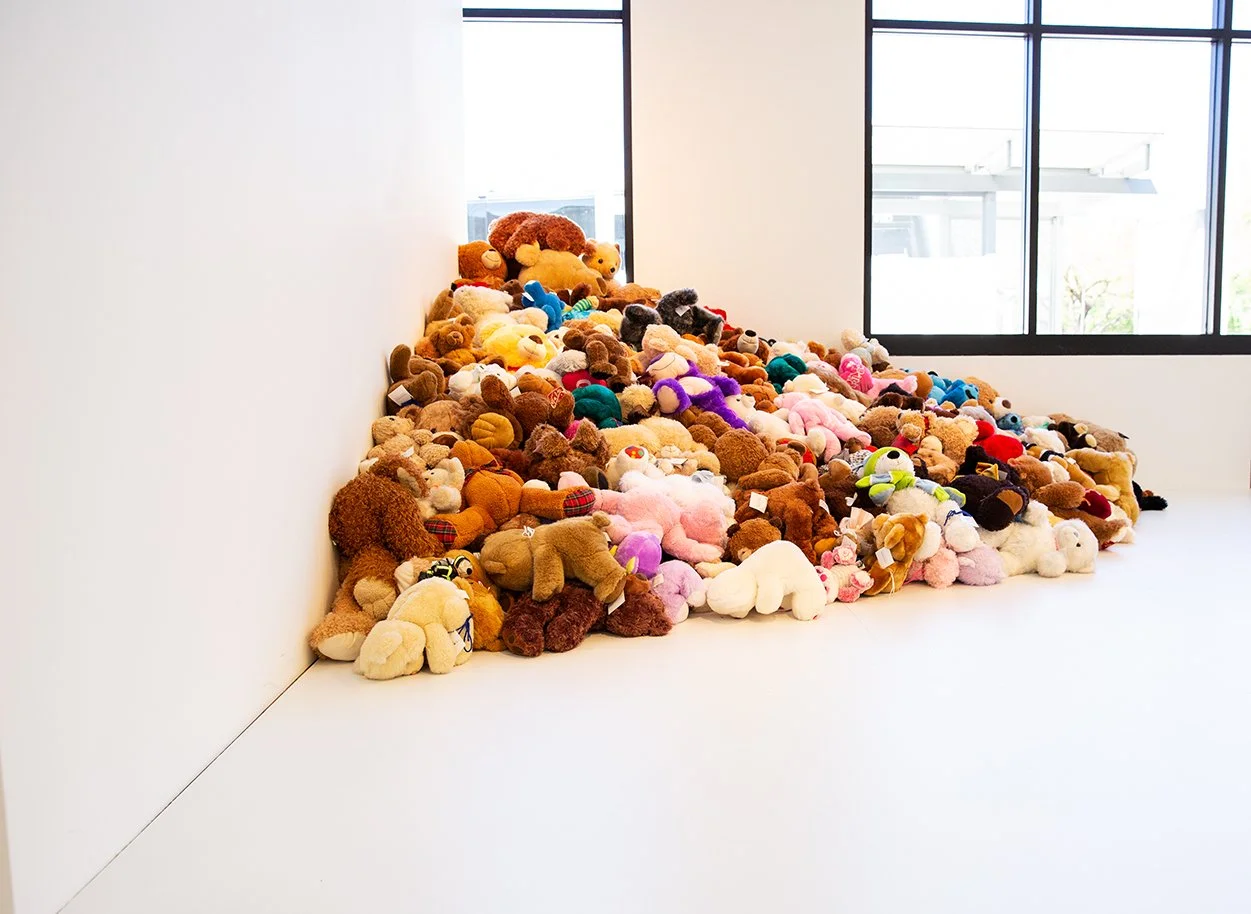
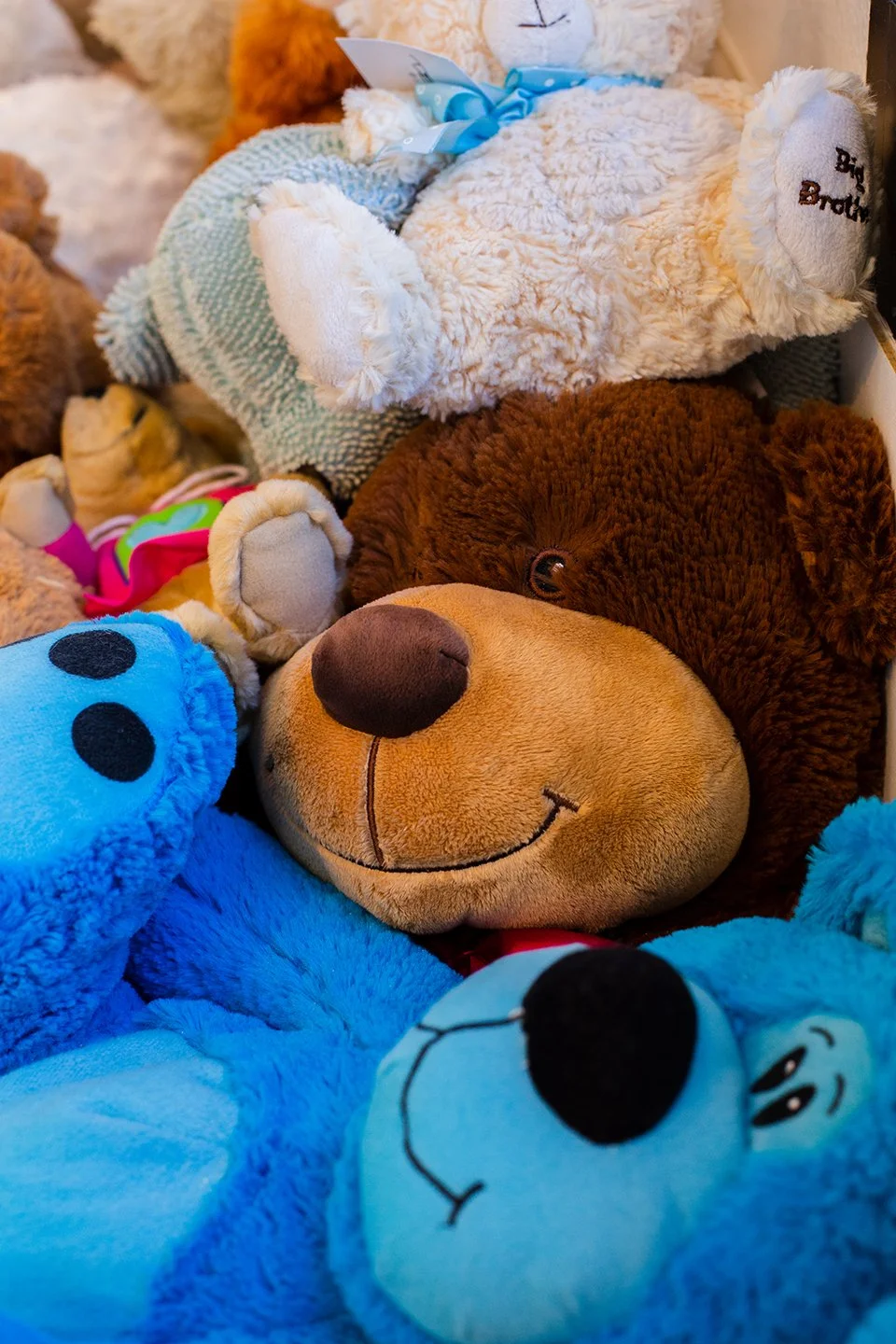
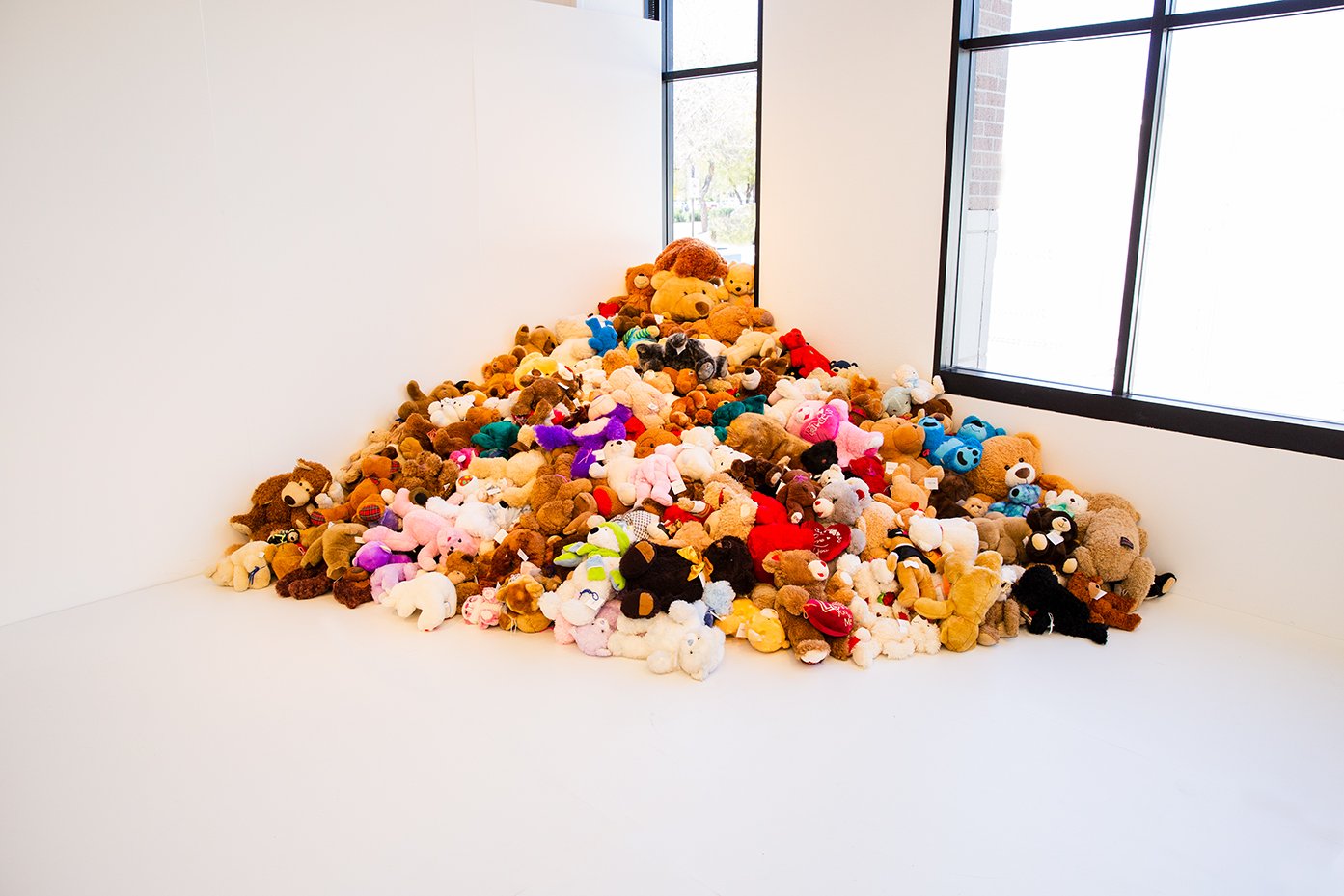
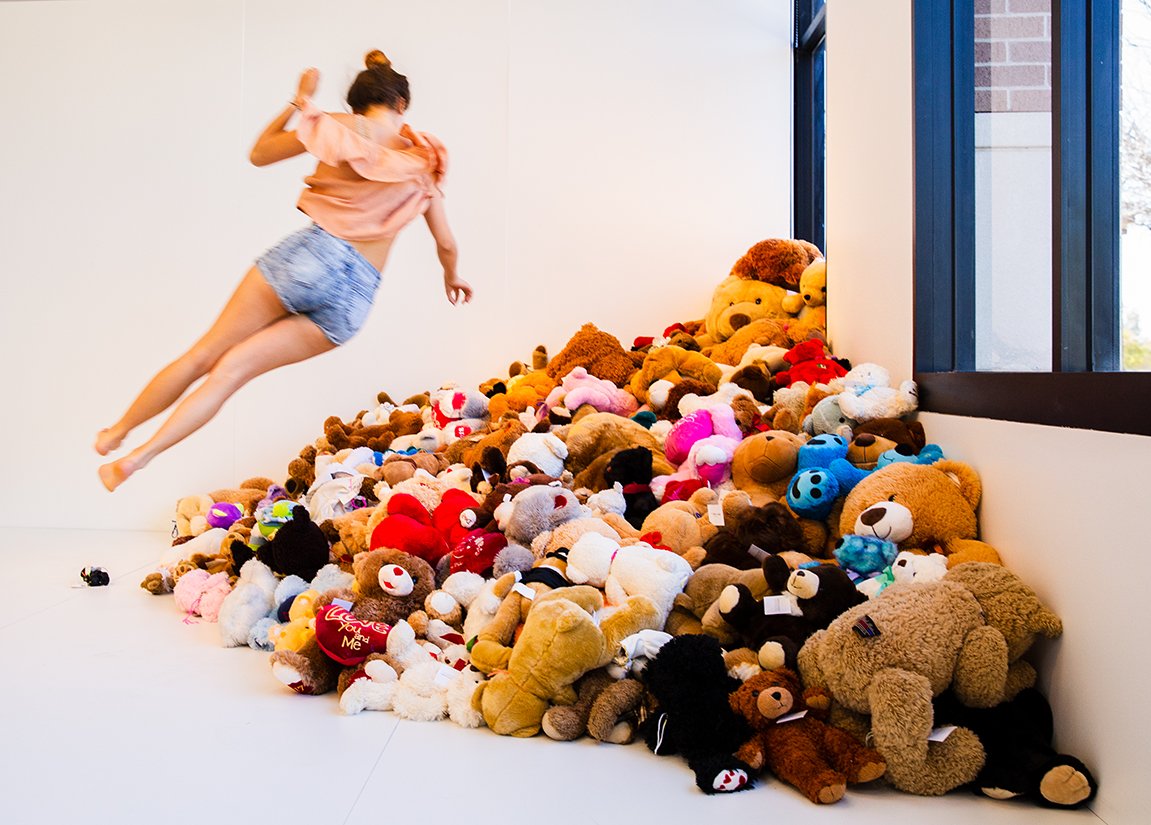
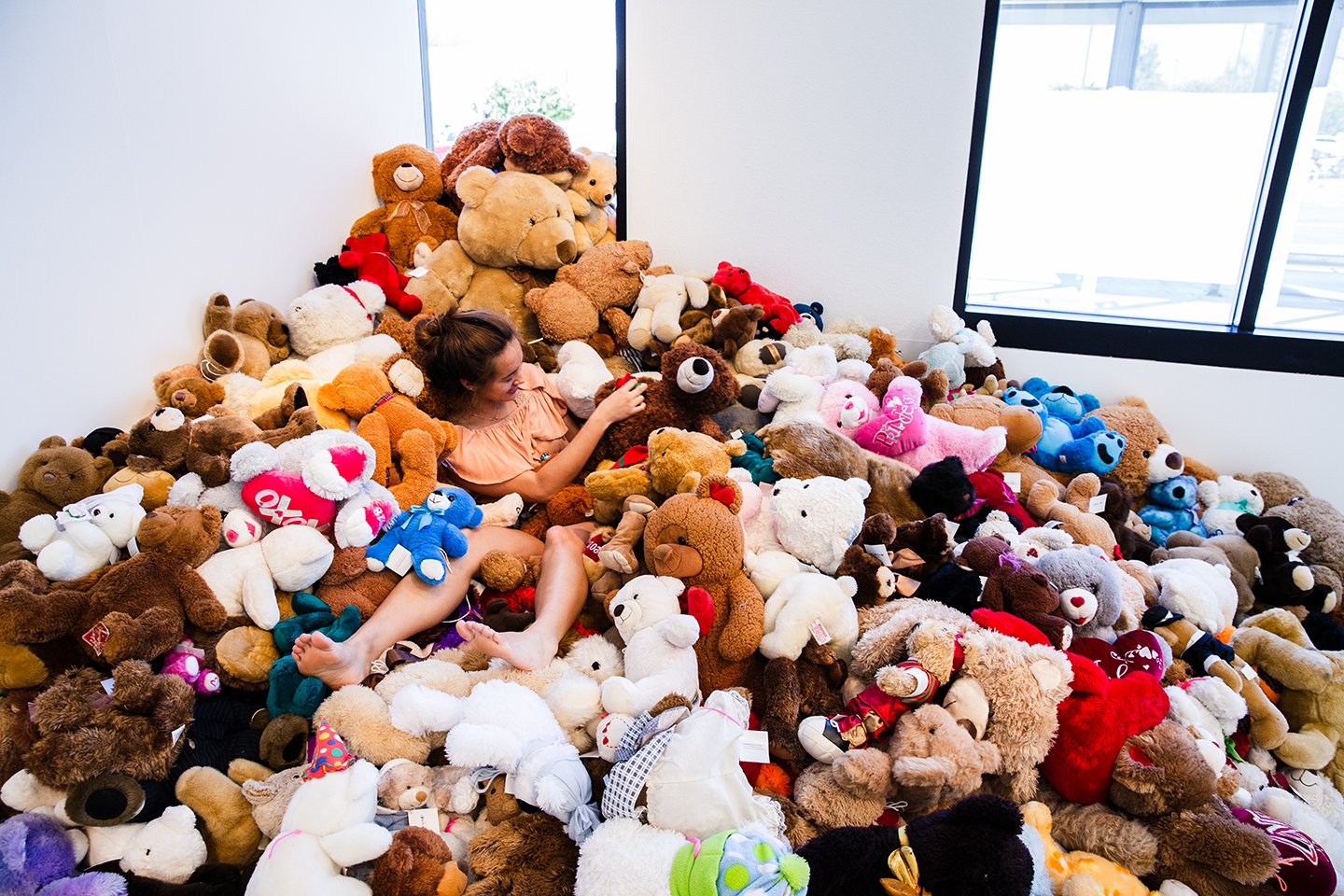
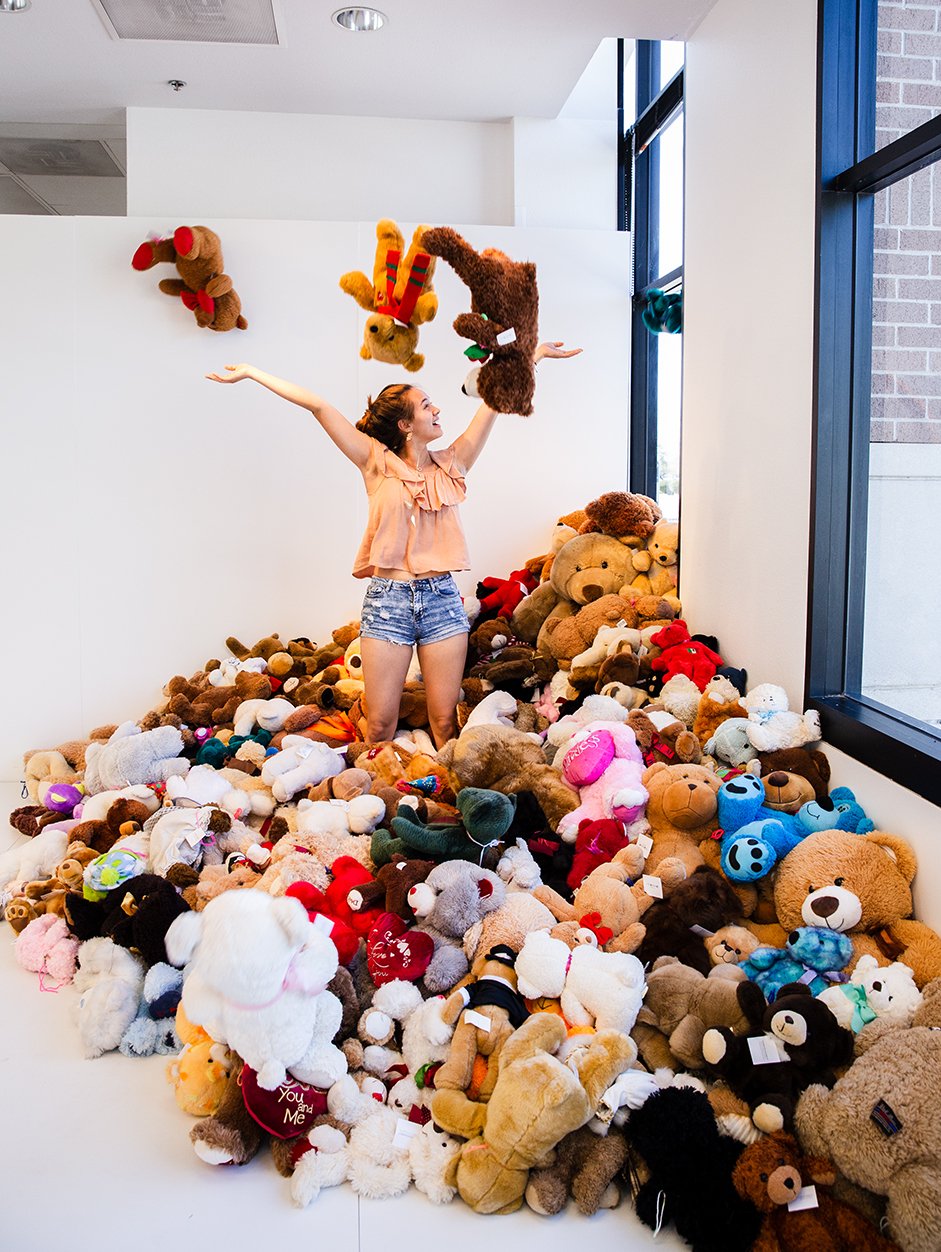
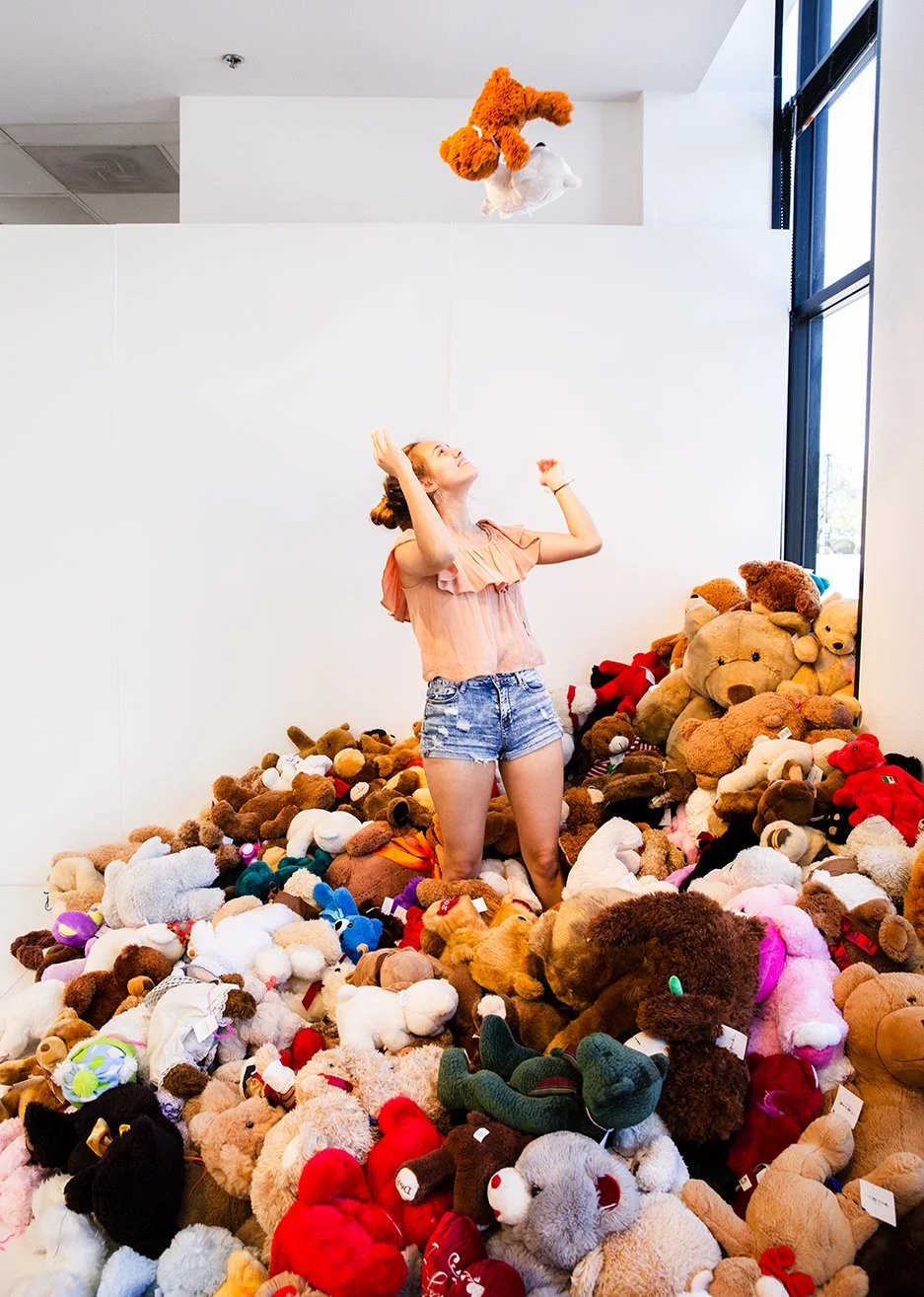
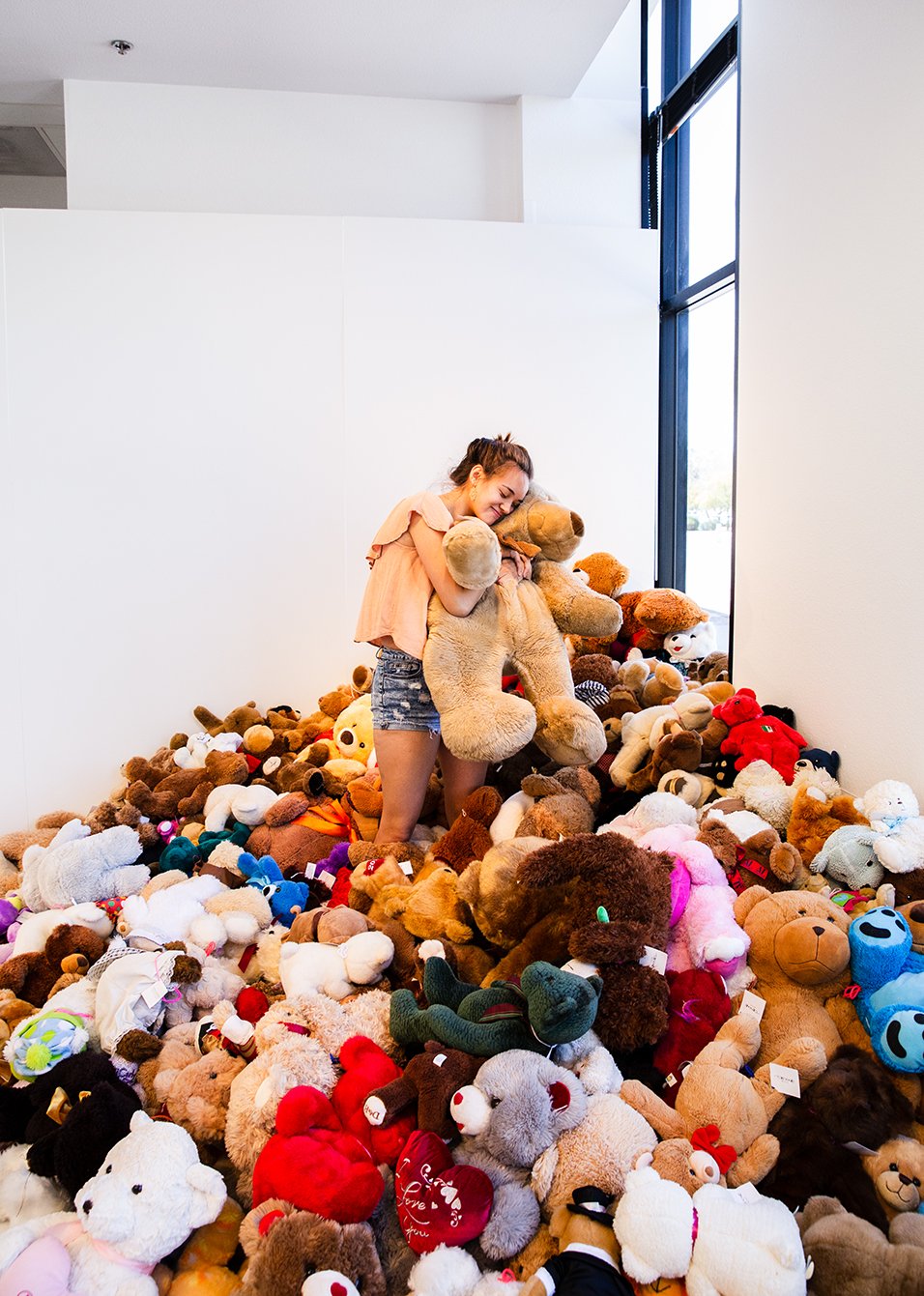
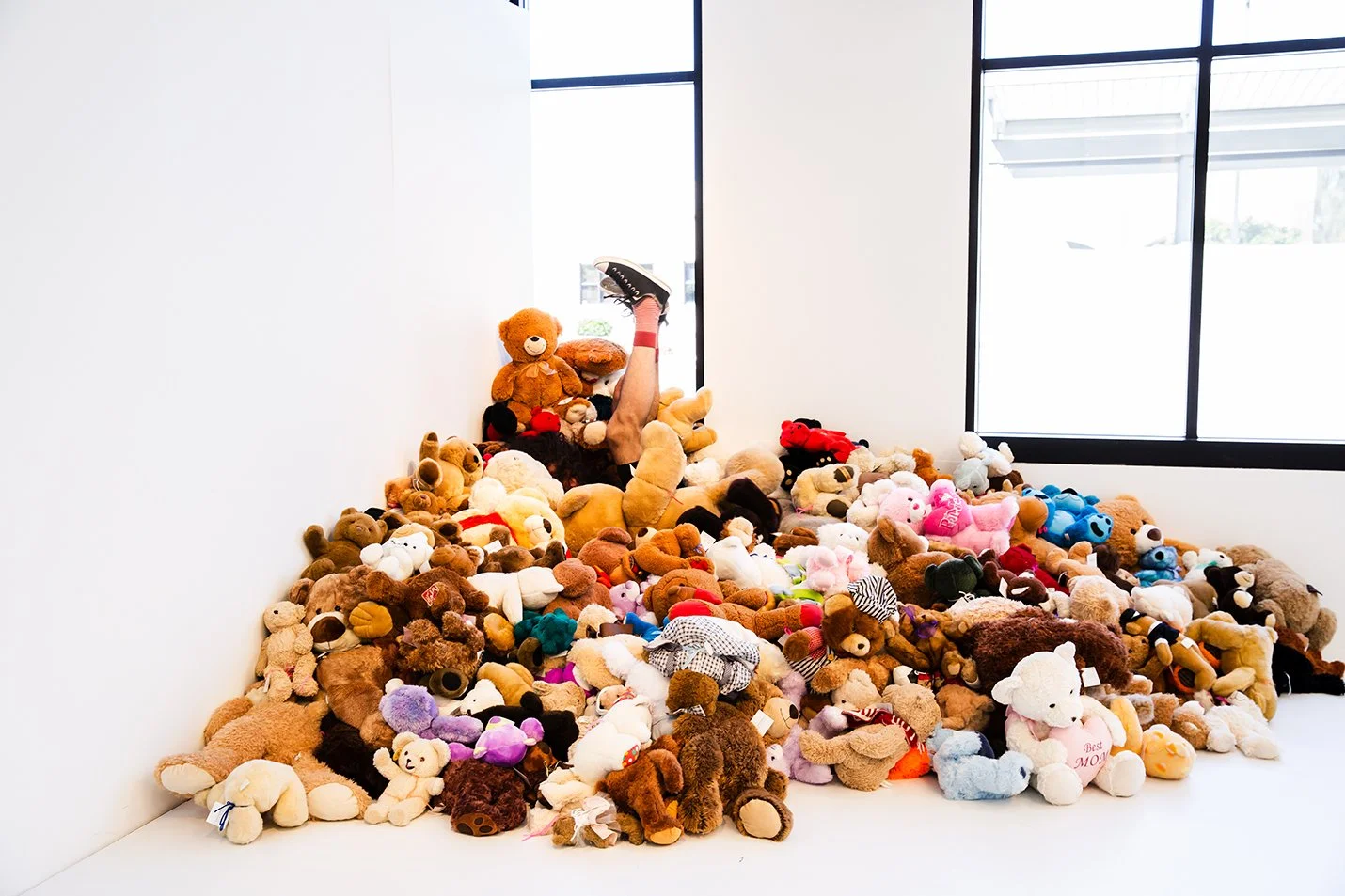
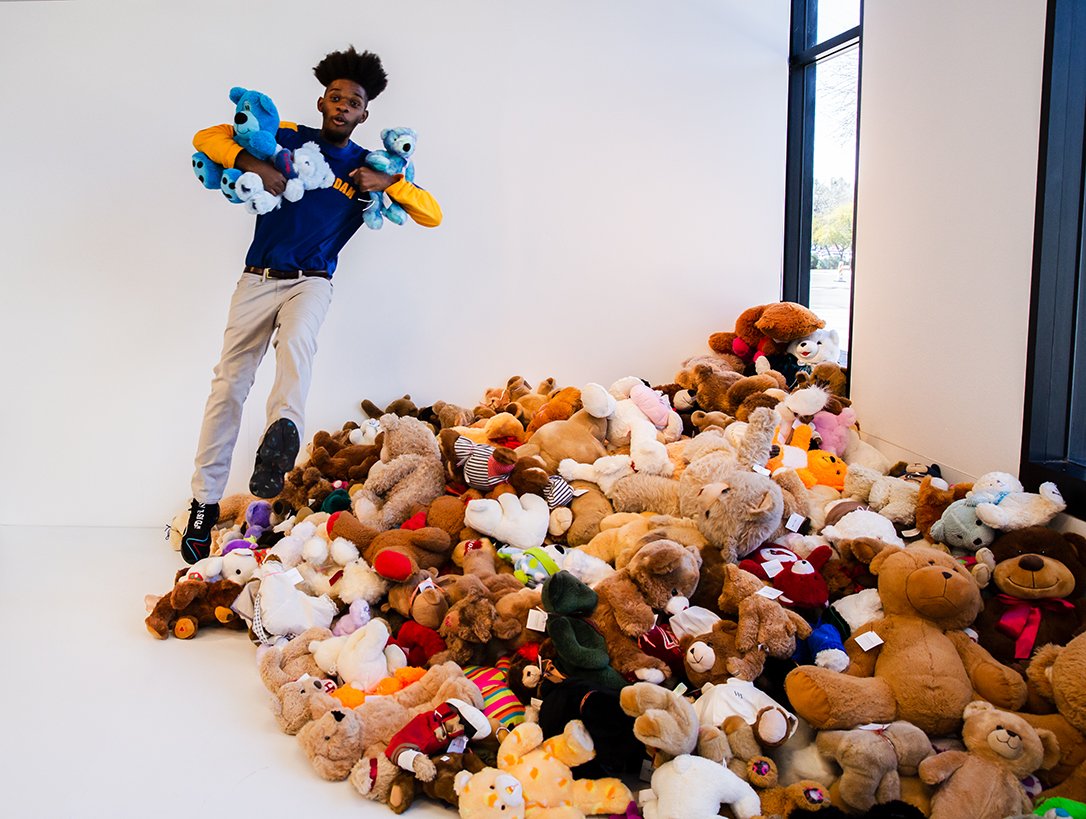
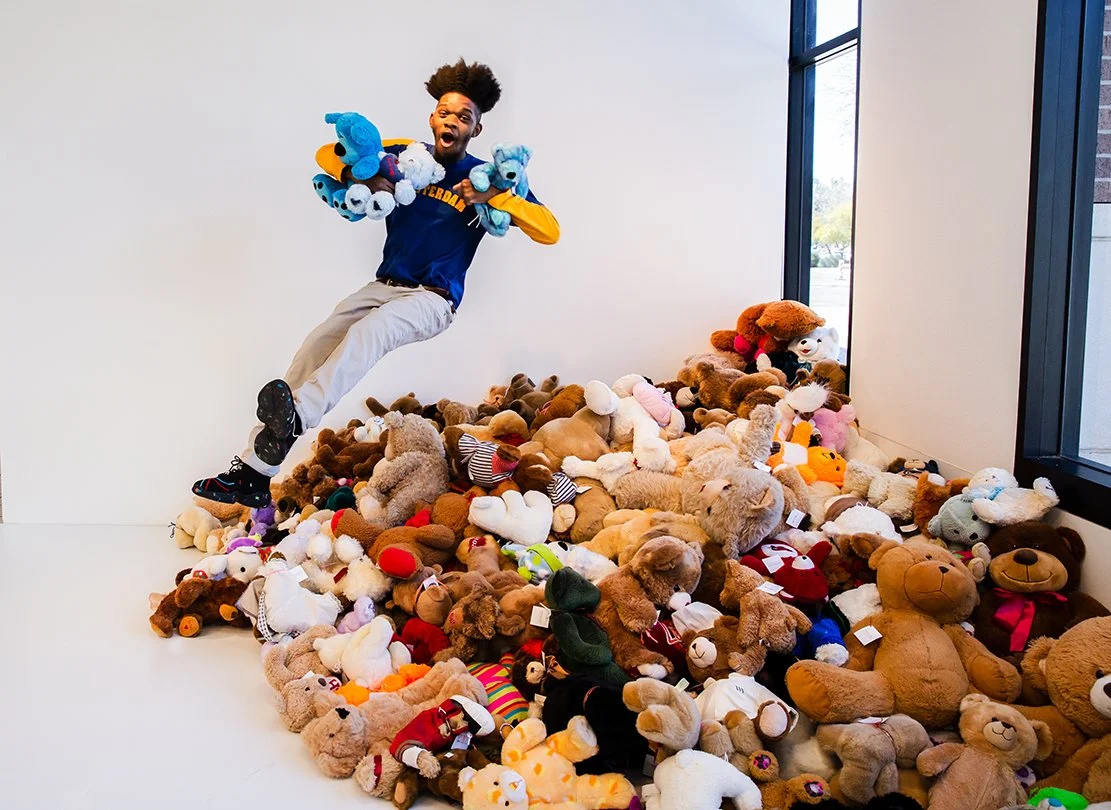
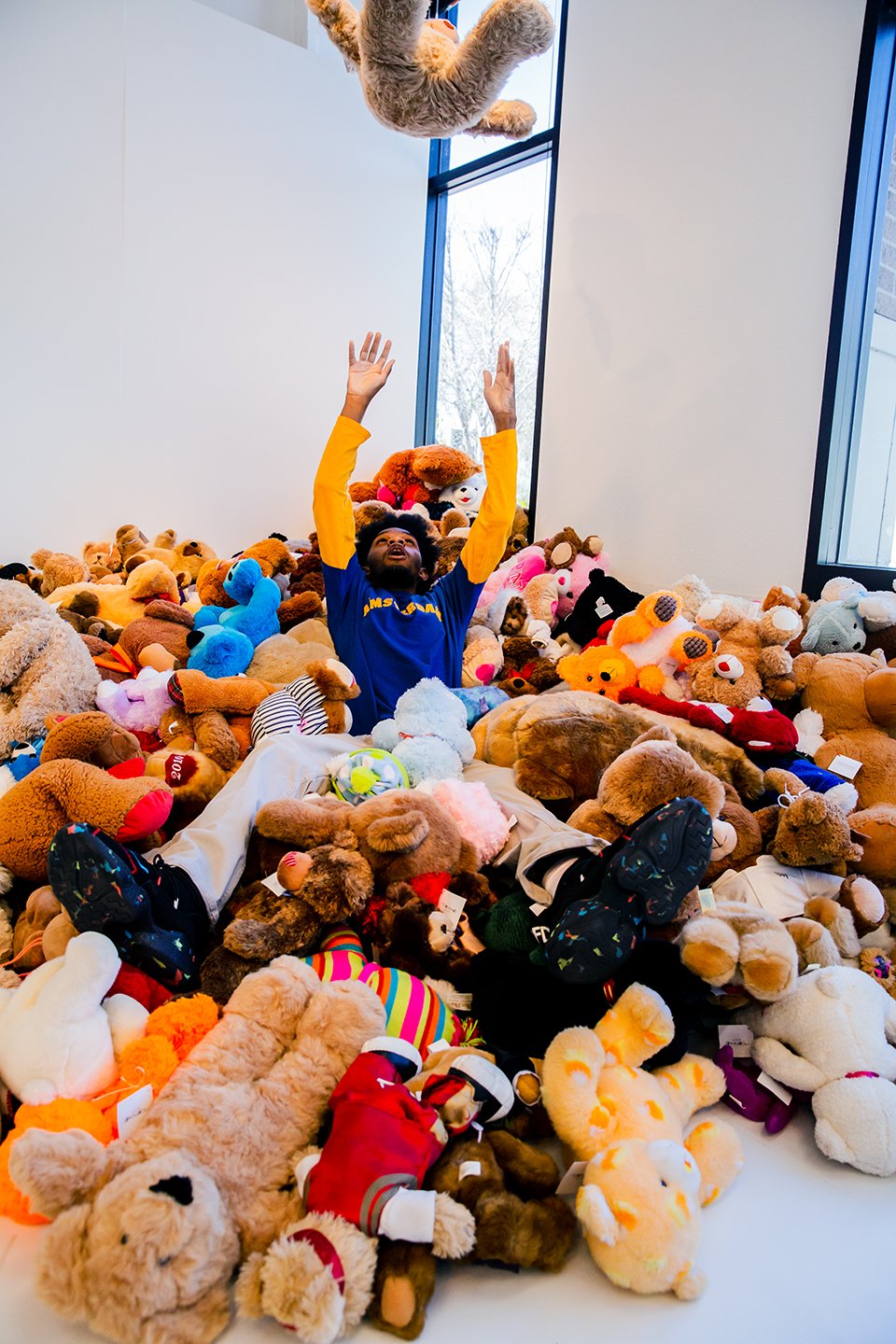
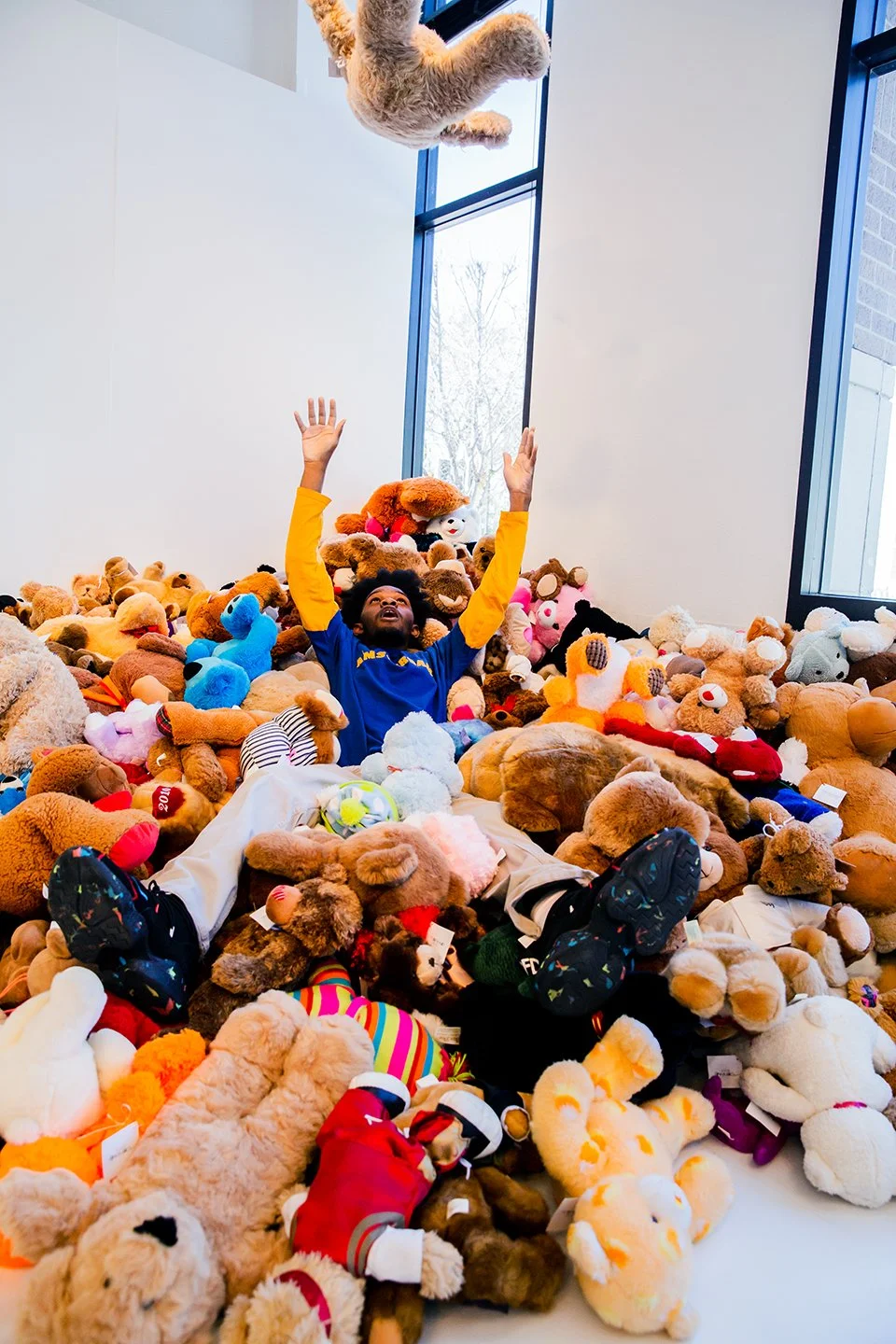
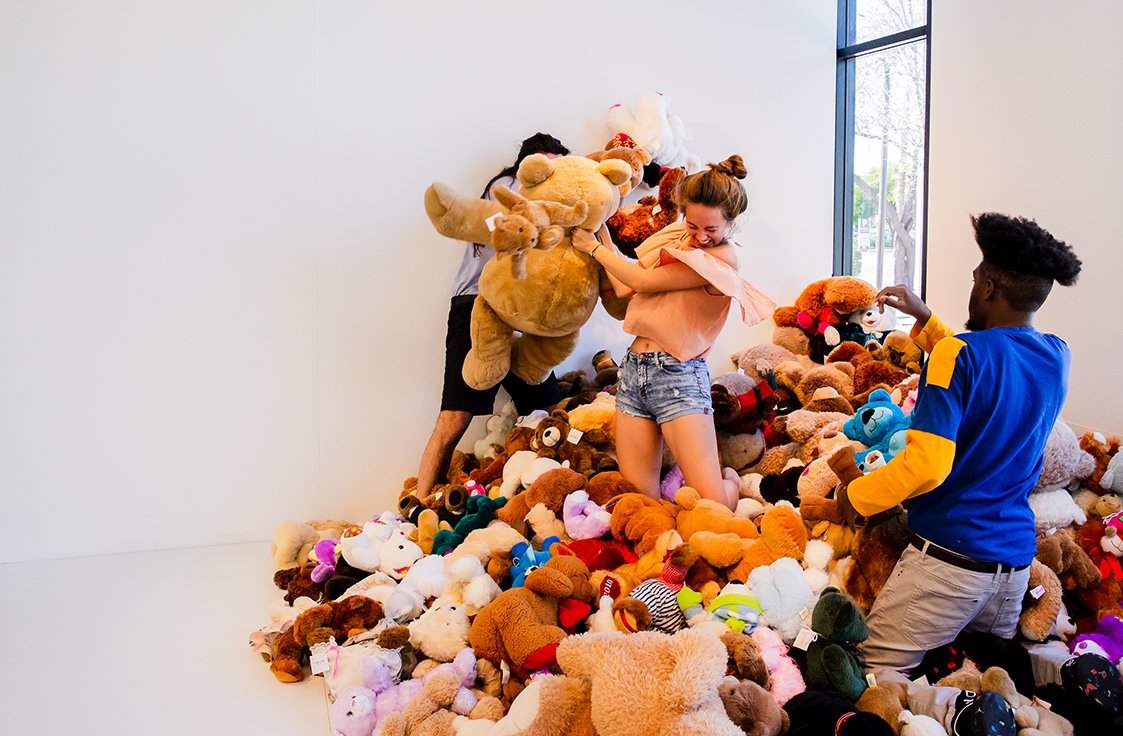
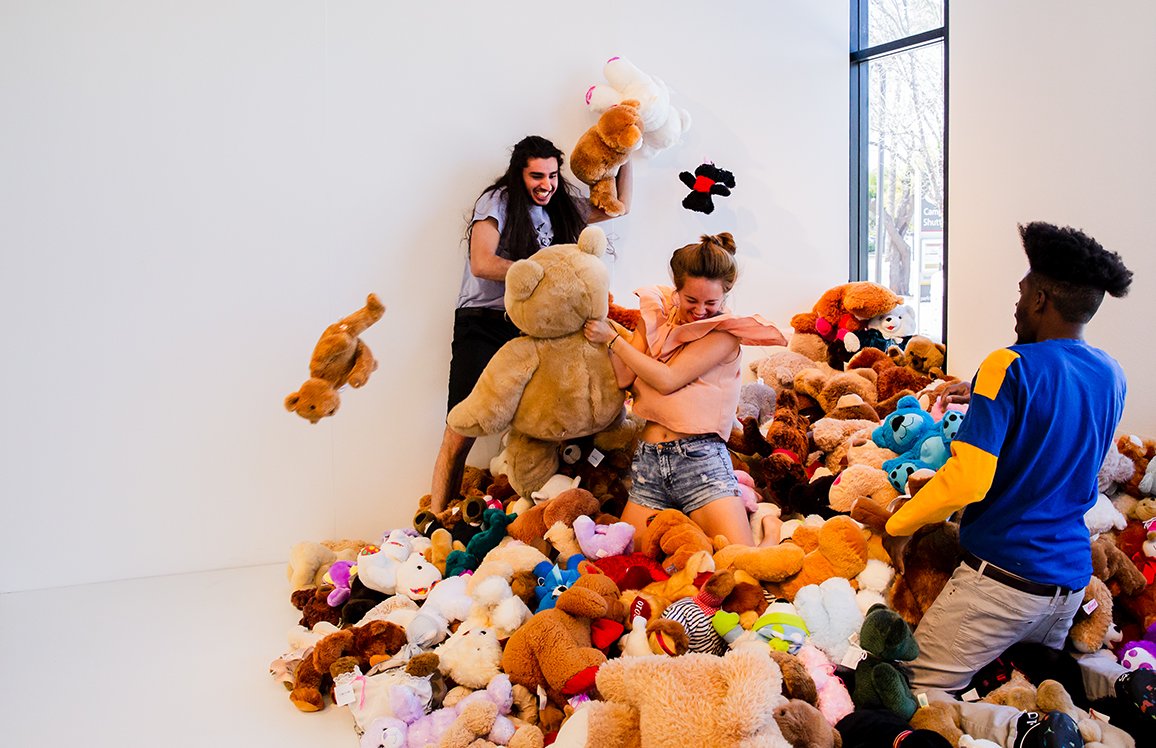
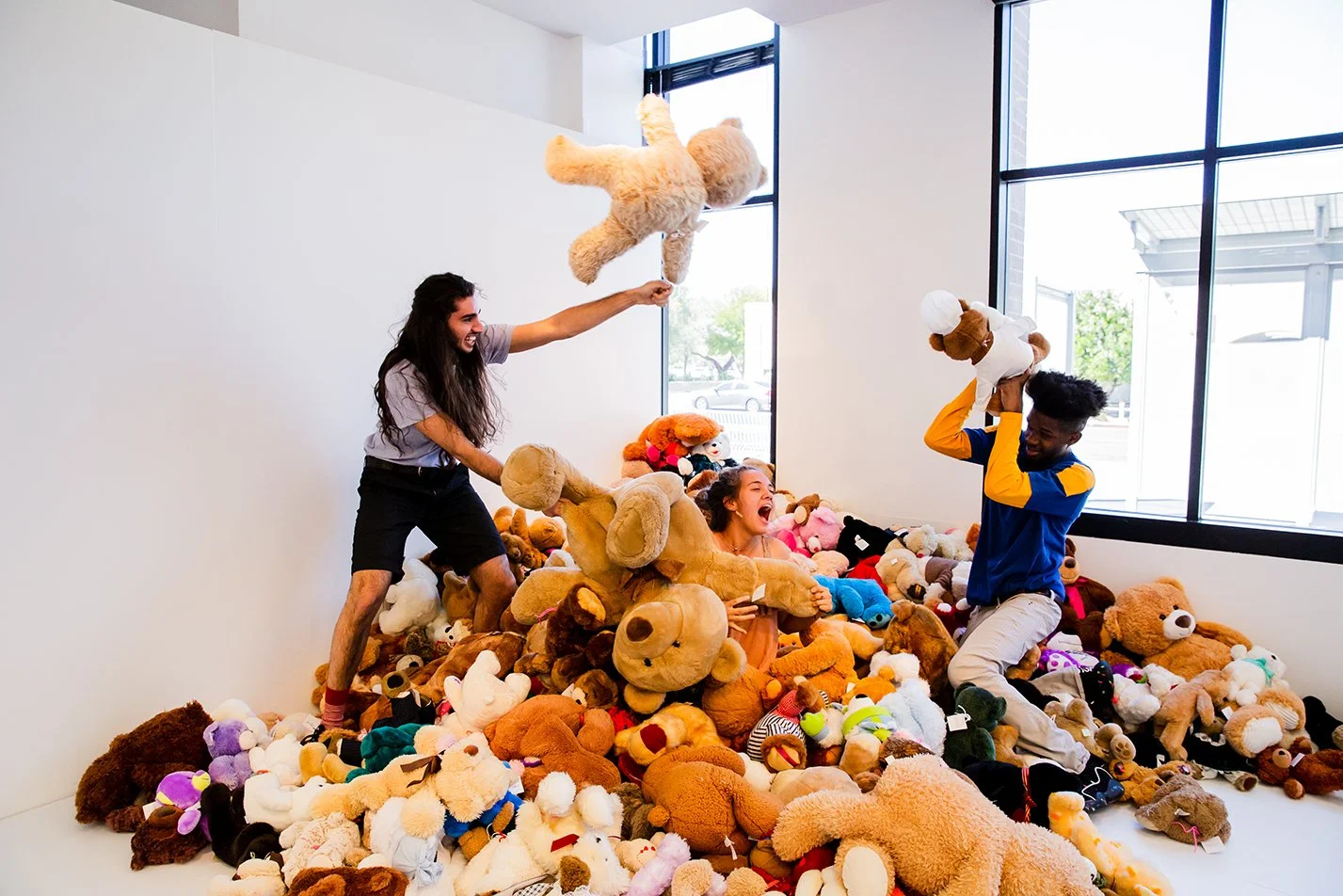
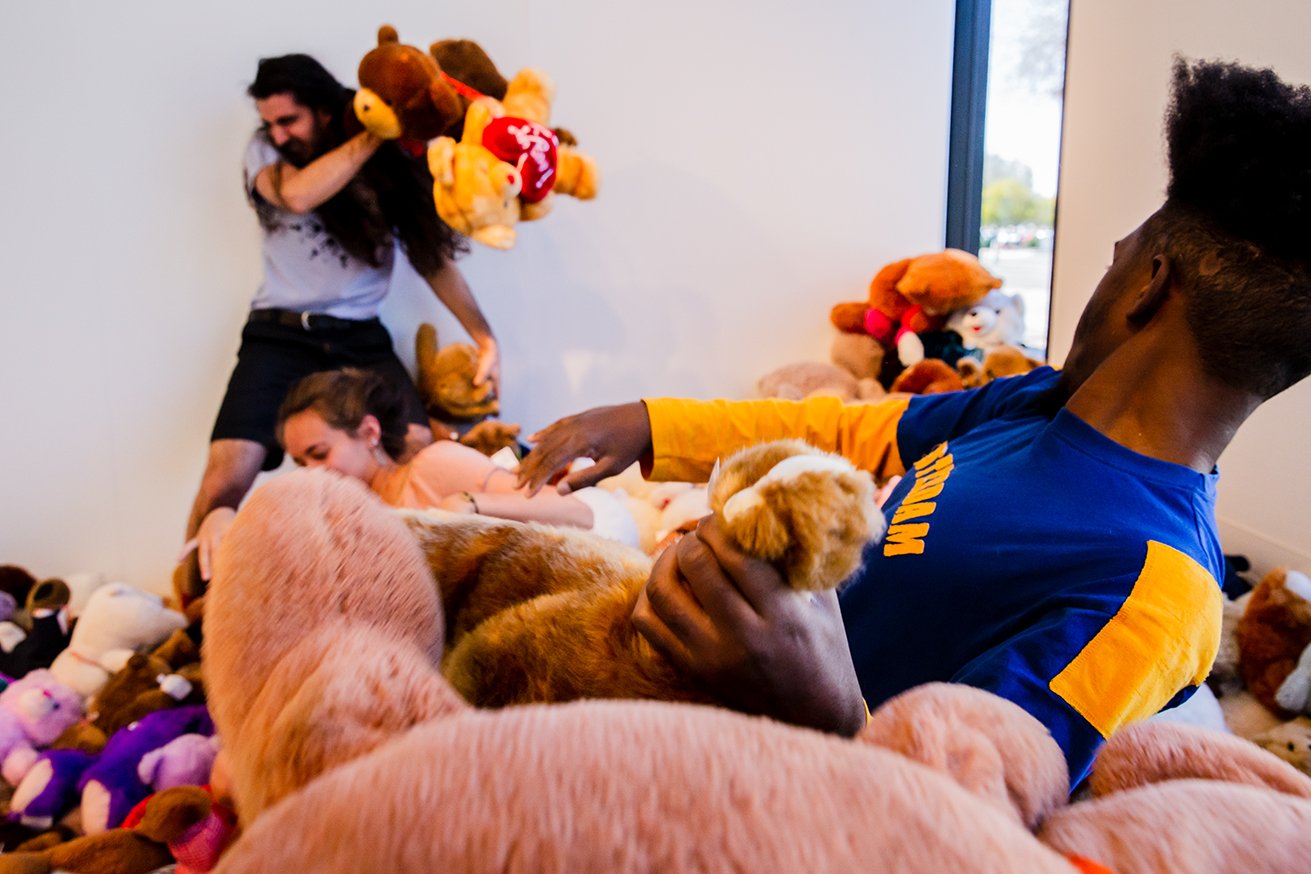
"Untitled Grin and Bear It" (Portrait of Theresa in Phoenix): Homage to Felix Gonzalez-Torres Date: 2019 Artist: Theresa Devine Medium: Abandoned teddy bears, given new life. Dimensions: Approximately 8’ x 8’ x 8’ (varies with installation) Origin: United States Copyright: © Theresa Devine Credit Line: Courtesy of the Artist





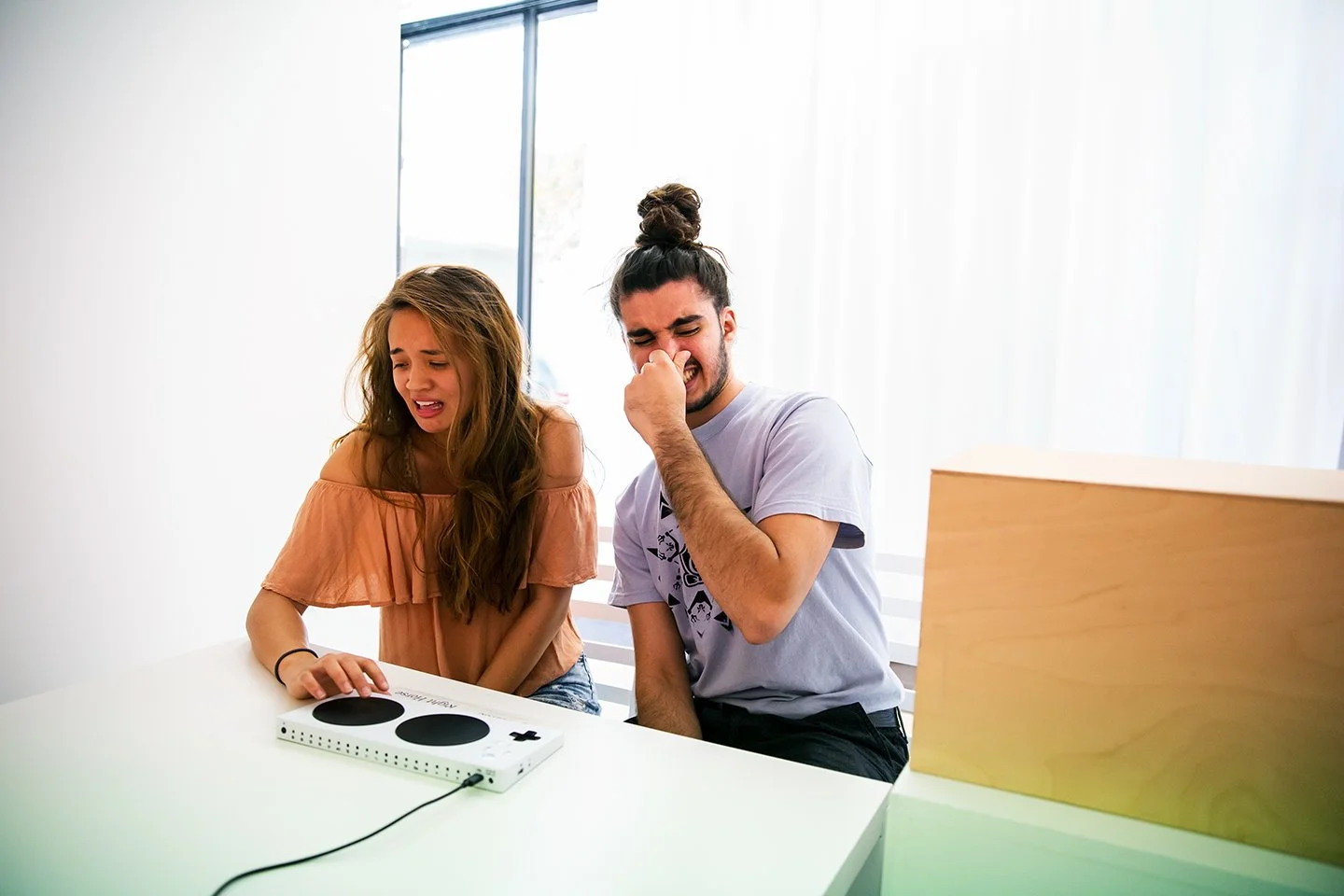
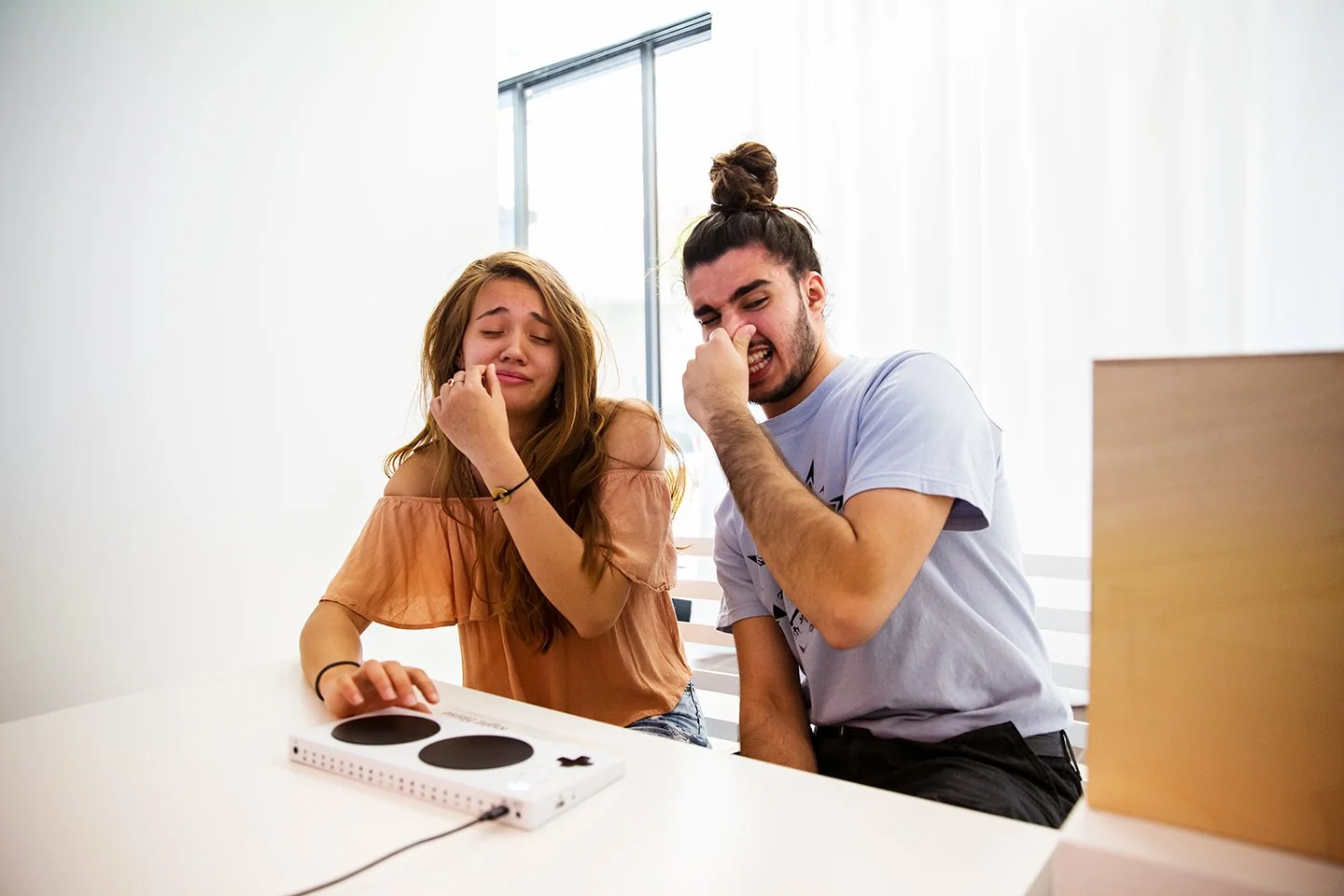
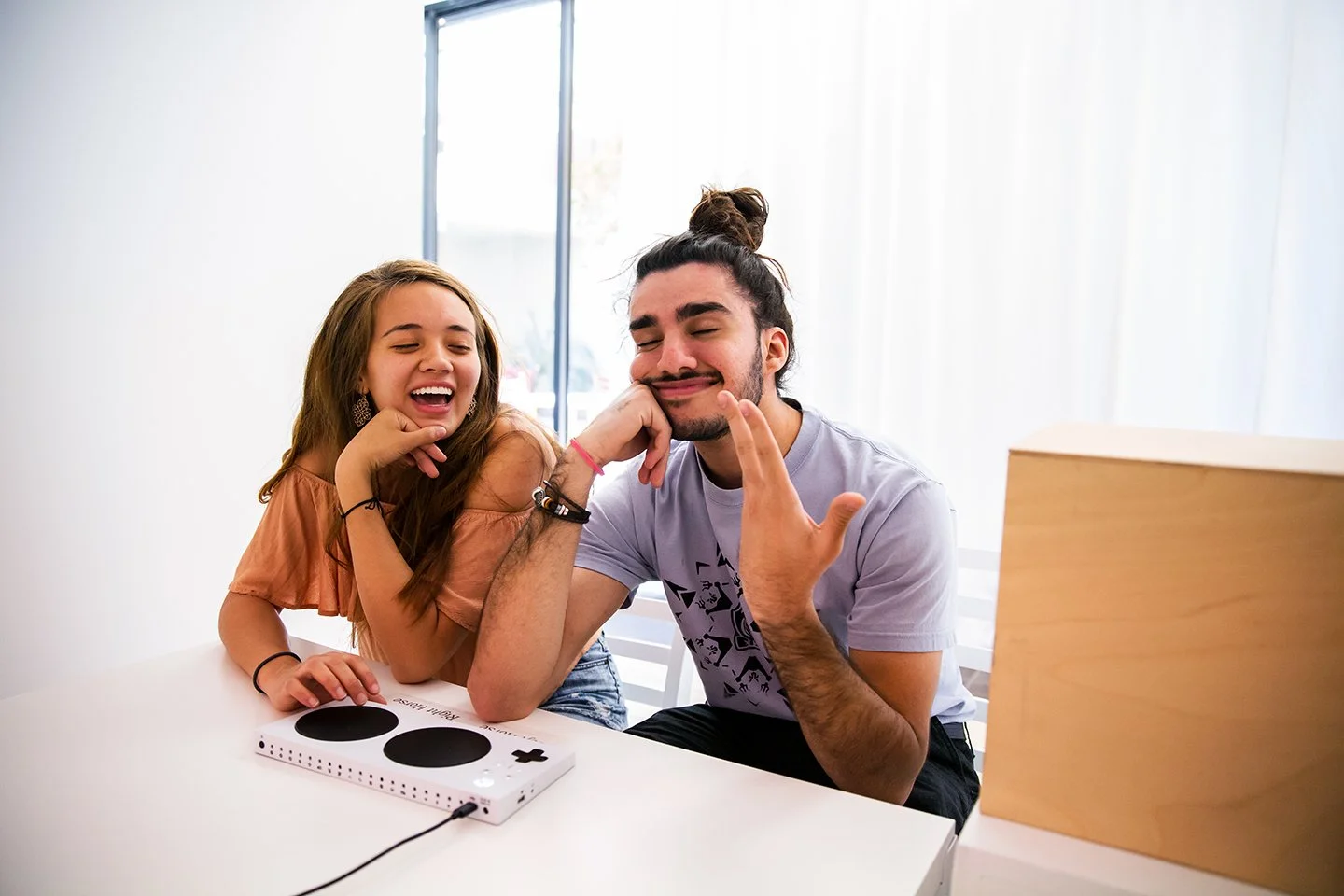
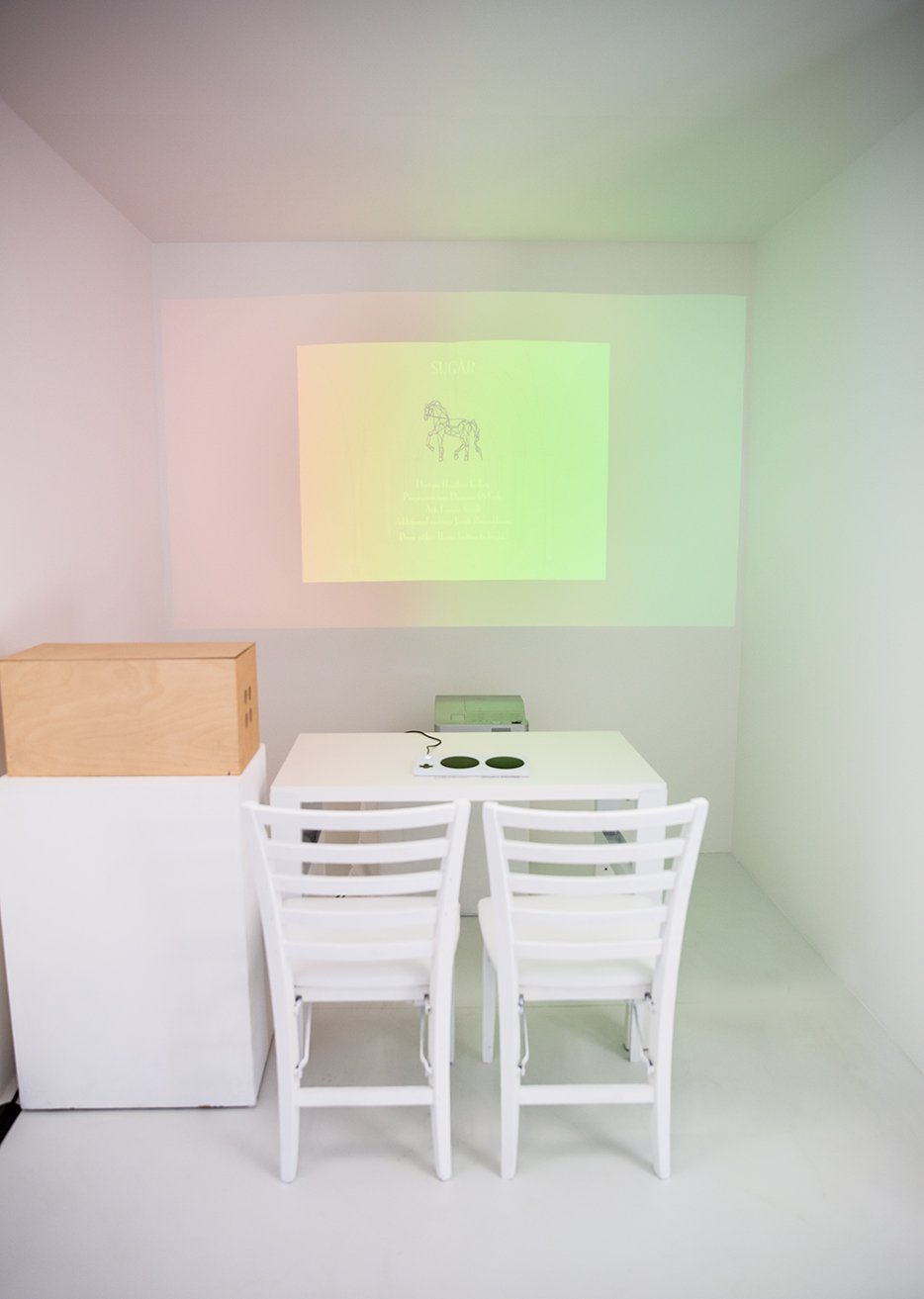
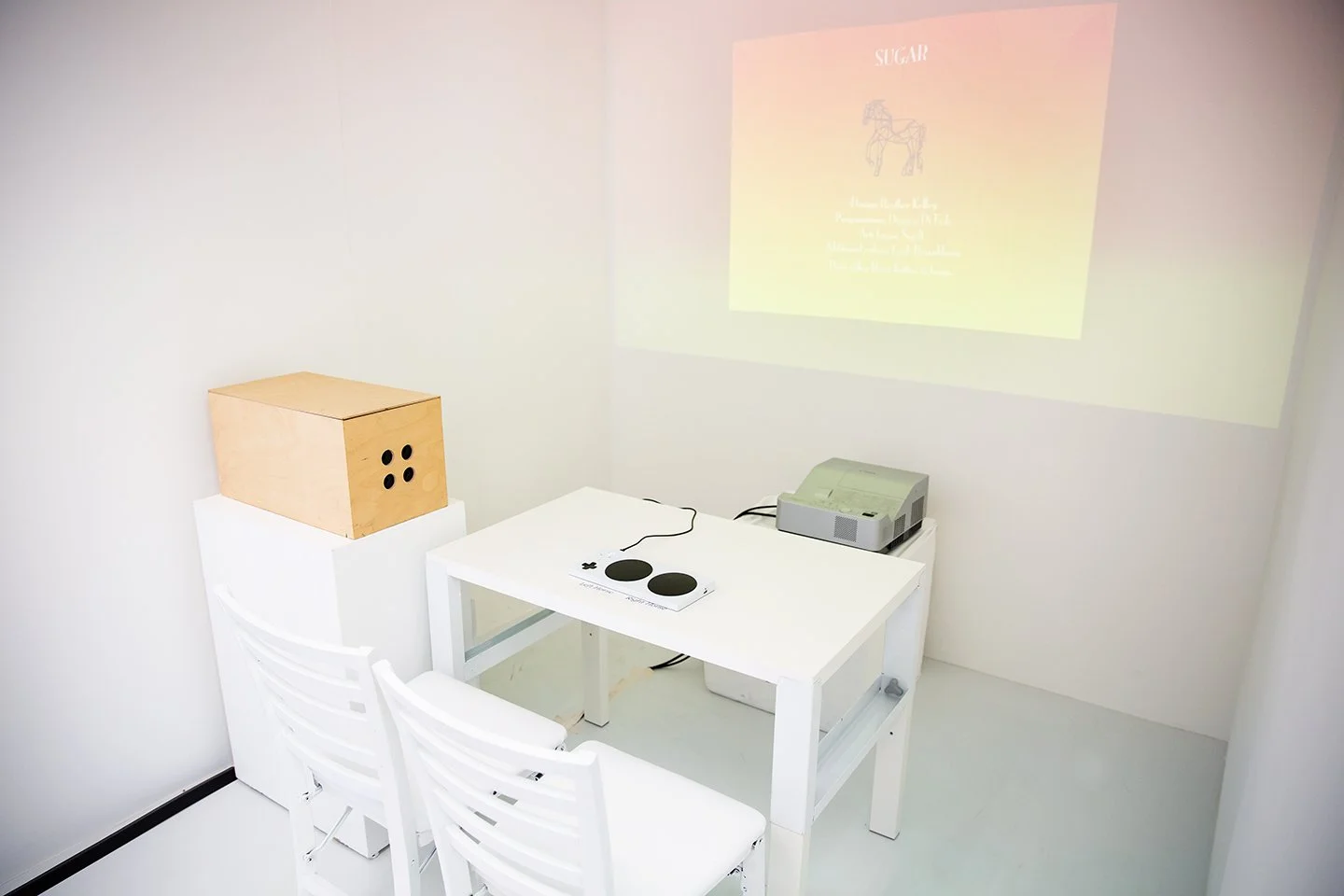
"SUGAR” Date: 2009 Artists: Heather Kelley, Leonie Smelt, Mitch Heinrich, Damien Di Fede, and Anna Zajaczkowski Medium: Action Olofactorizer (a hardware/software/chemical system for scent delivery), custom software, computer, screen or projector, game controllers, scent materials Dimensions: 8’ x 8’ x 8’ Cube installation Origin: Austria Copyright: © Heather Kelly Credit Line: Courtesy of the Artists



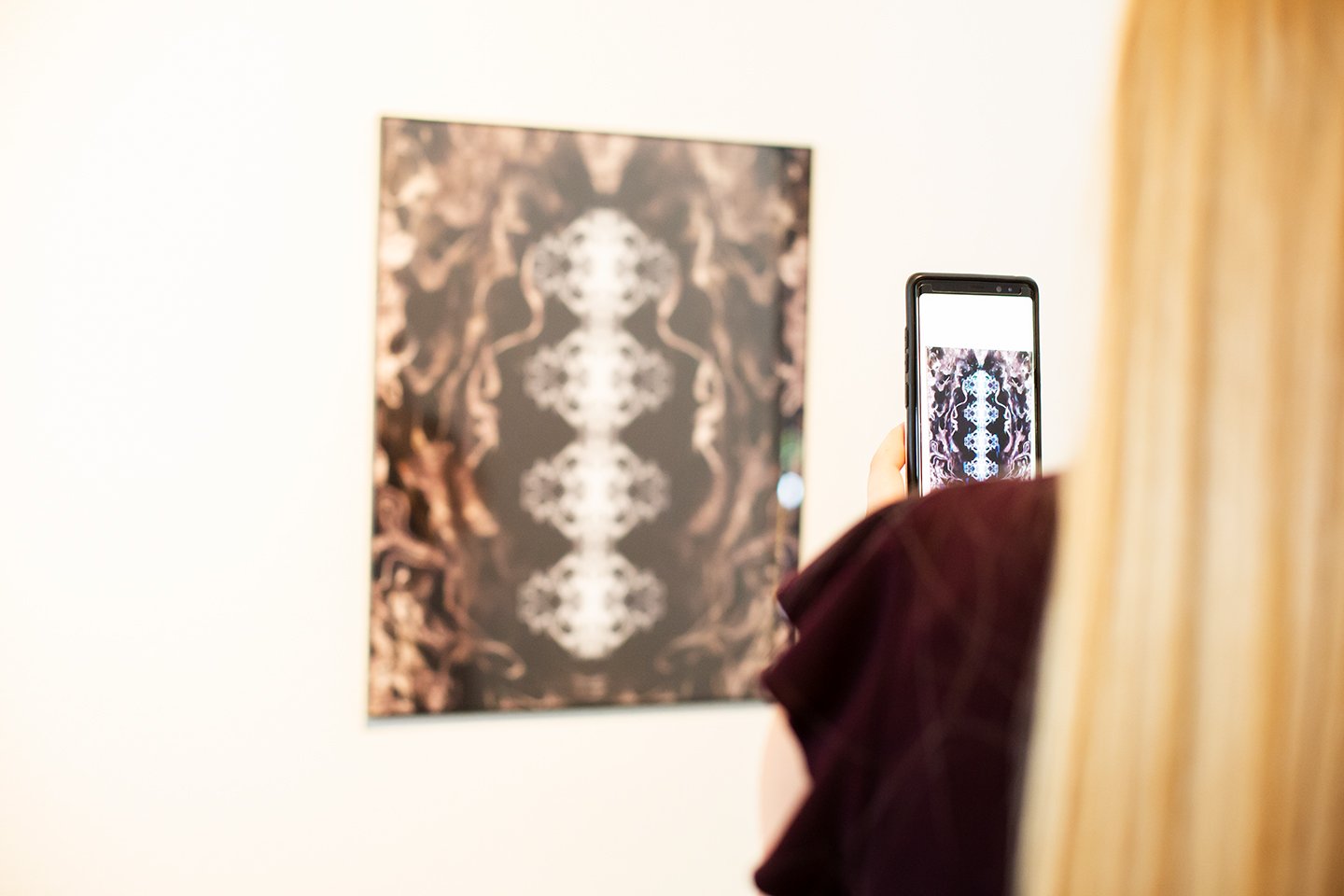
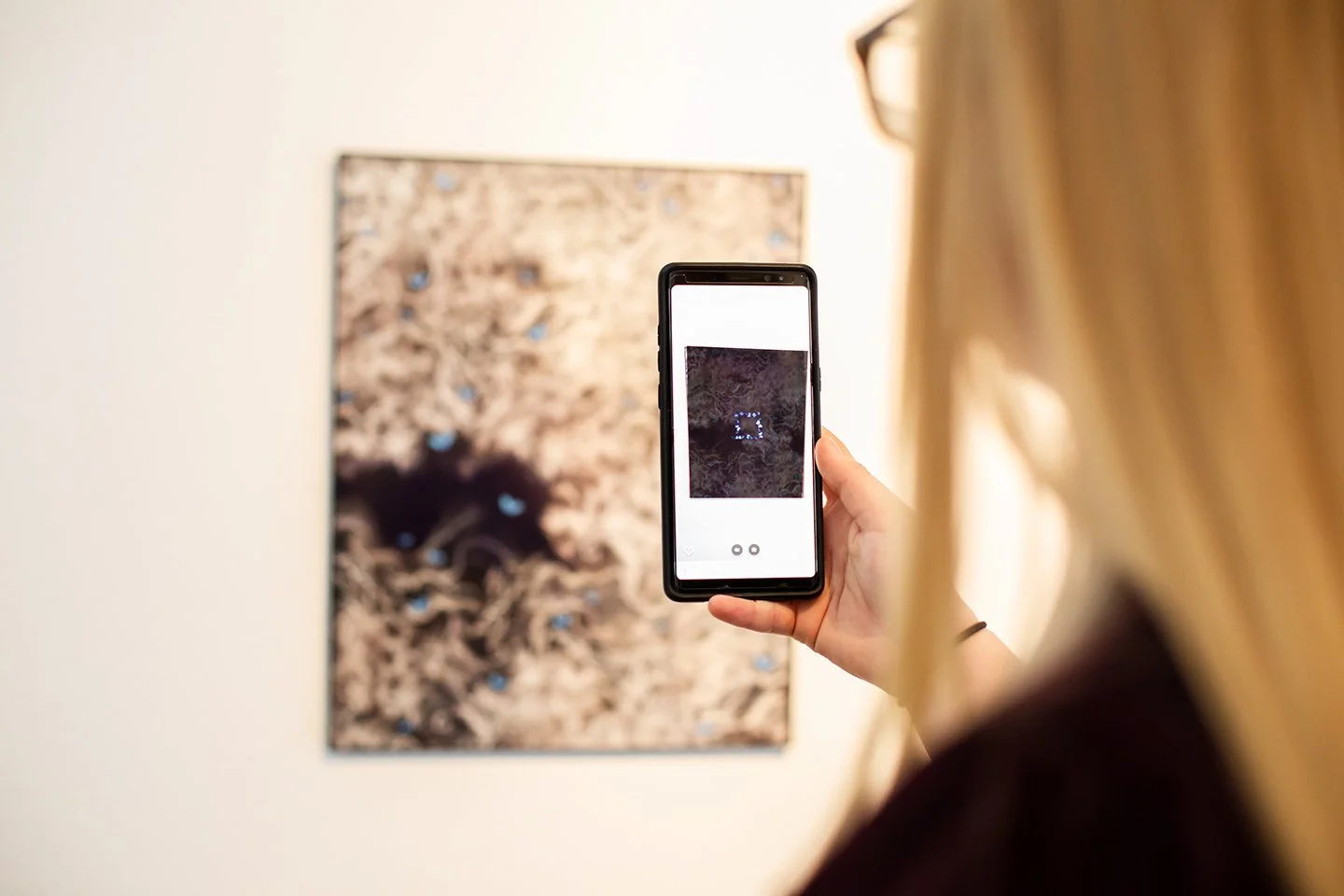
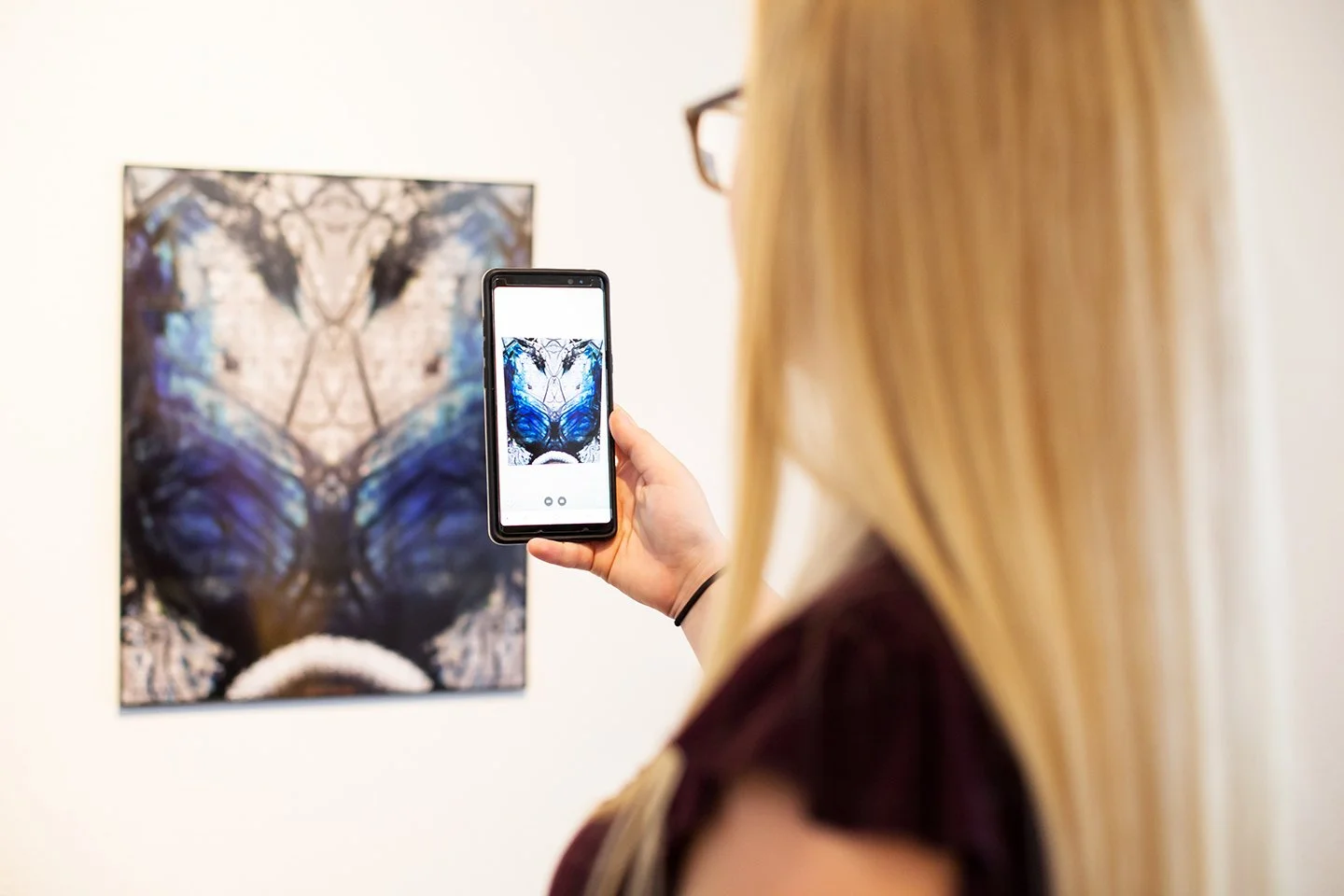
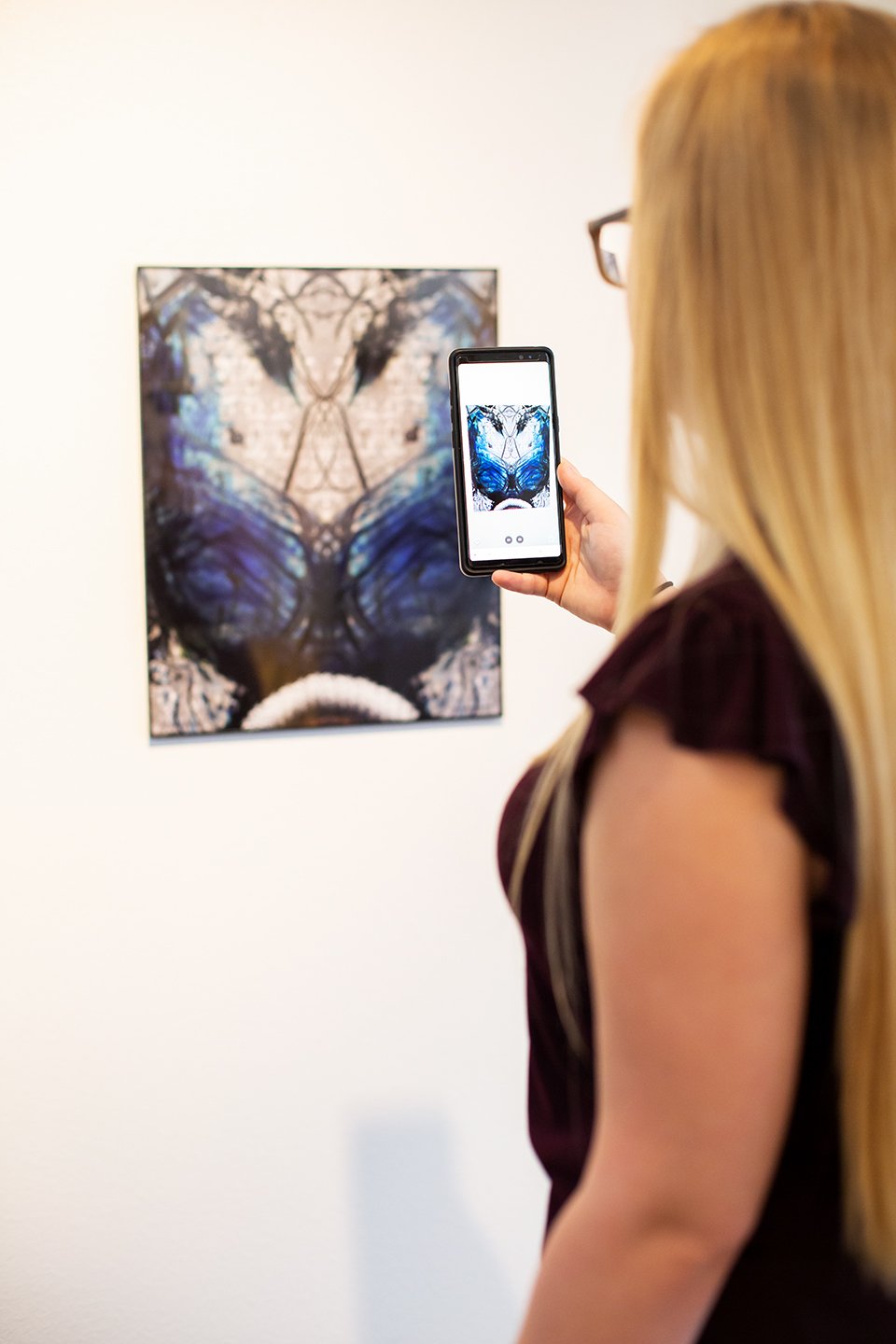
"Beyond What You See" Date: 2018-19 Artist: Theresa Devine Medium: Framed abstract drawings, Augmented reality delivered via HP Reveal on viewer’s smart phone. Dimensions: varies from ______ Origin: United States Copyright: © Theresa Devine Credit Line: Courtesy of the Artist
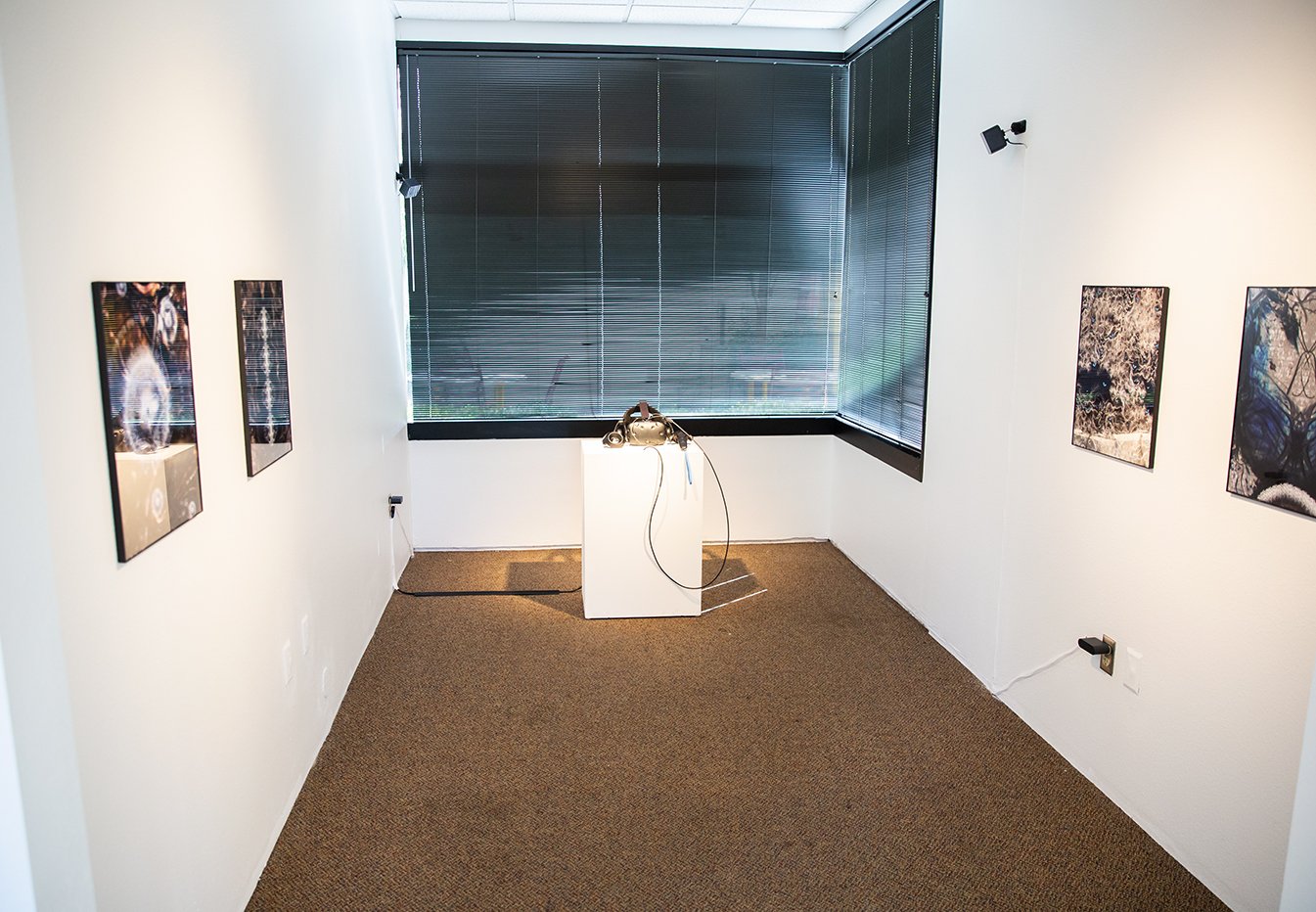
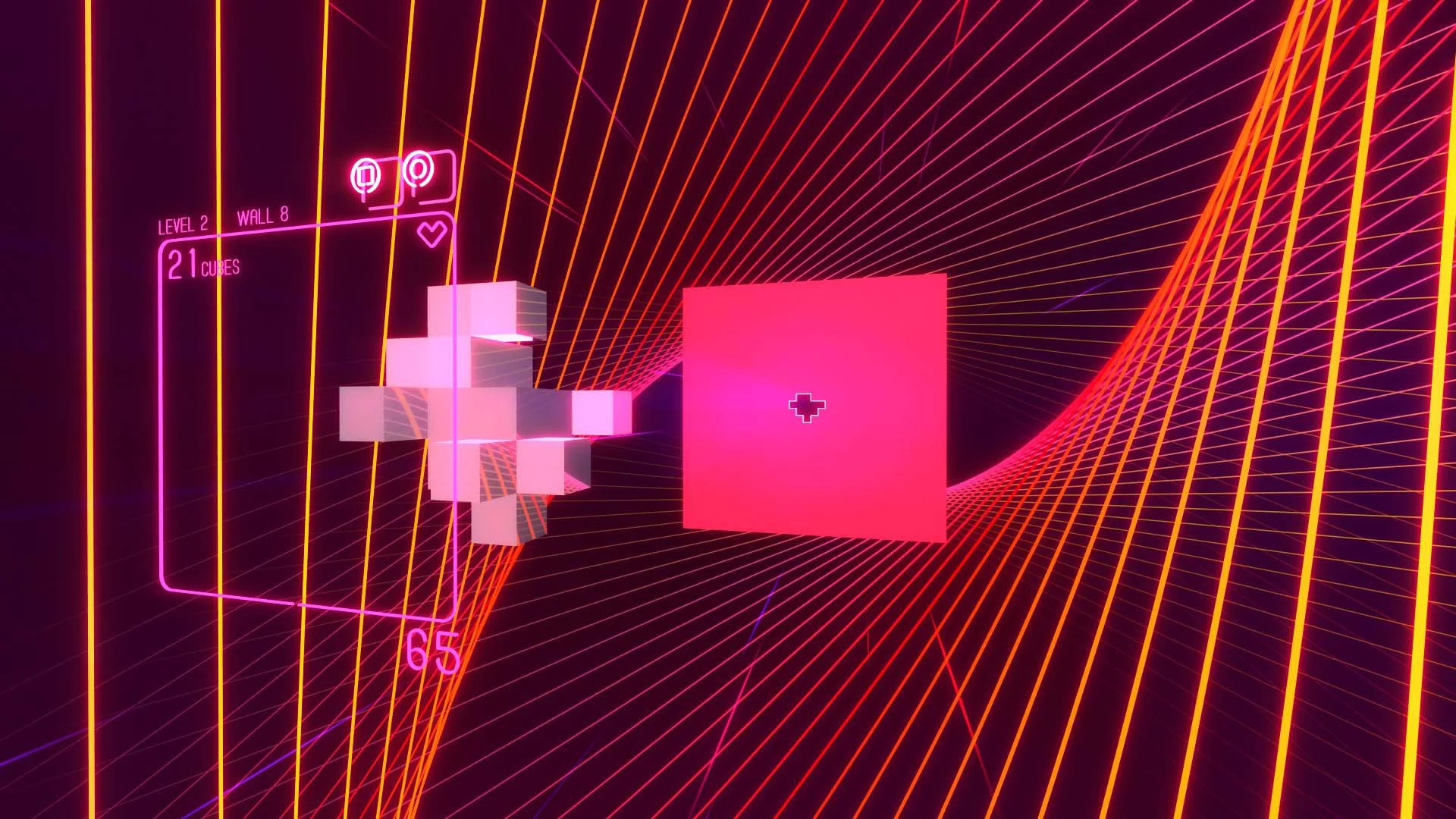
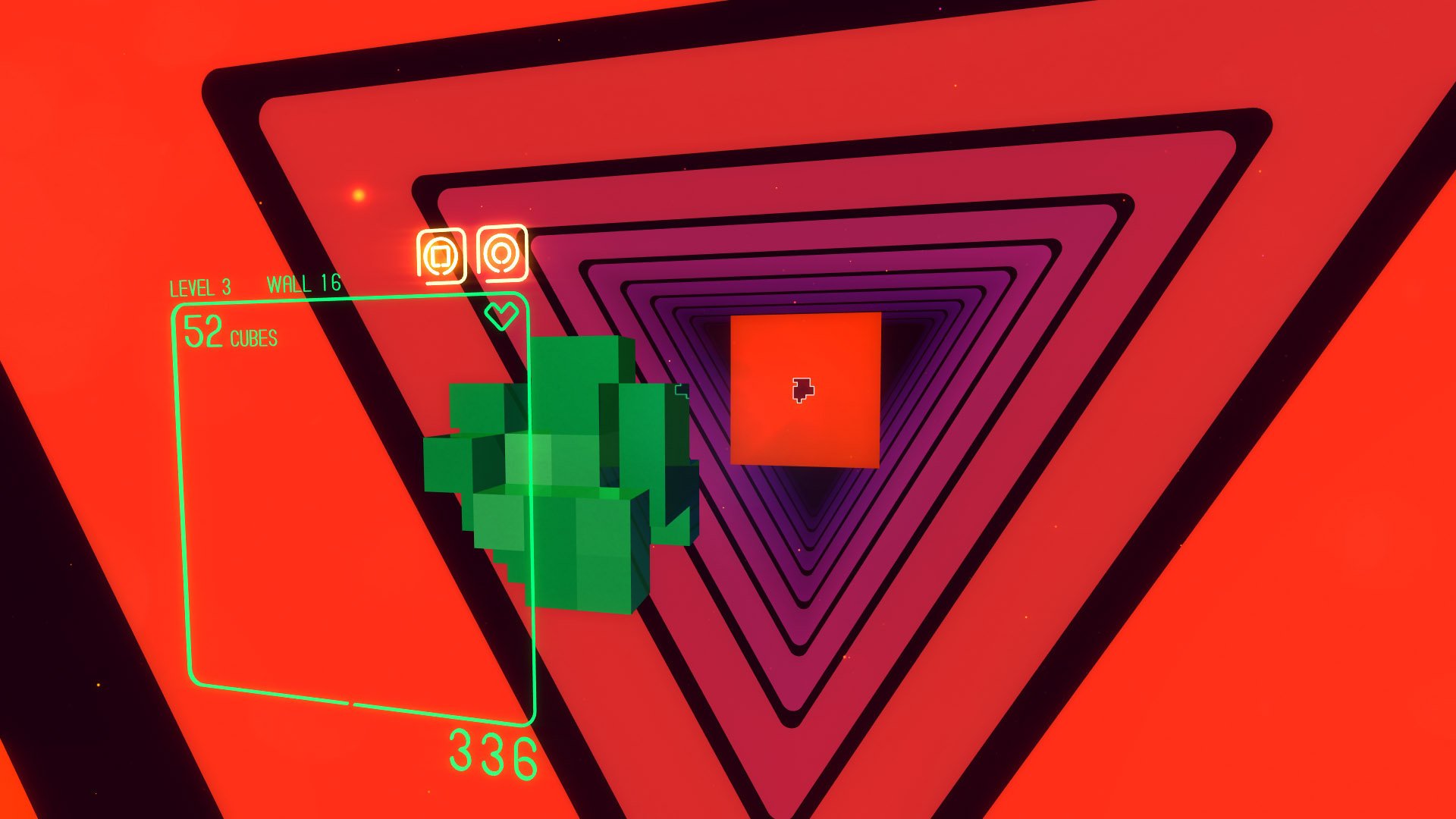
"SuperHyperCube" Date: 2008-2016 Artists: Heather Kelley, Damien Di Fede, Phil Fish, Cindy Poremba Medium: Software, VR headset and controllers, Computer, TV, Pedestal Dimensions: Approximately 3’ x 5’ x 2’ (installation with 32 in TV) Origin: United States Copyright: © kokoromi Credit Line: Courtesy of the Artists
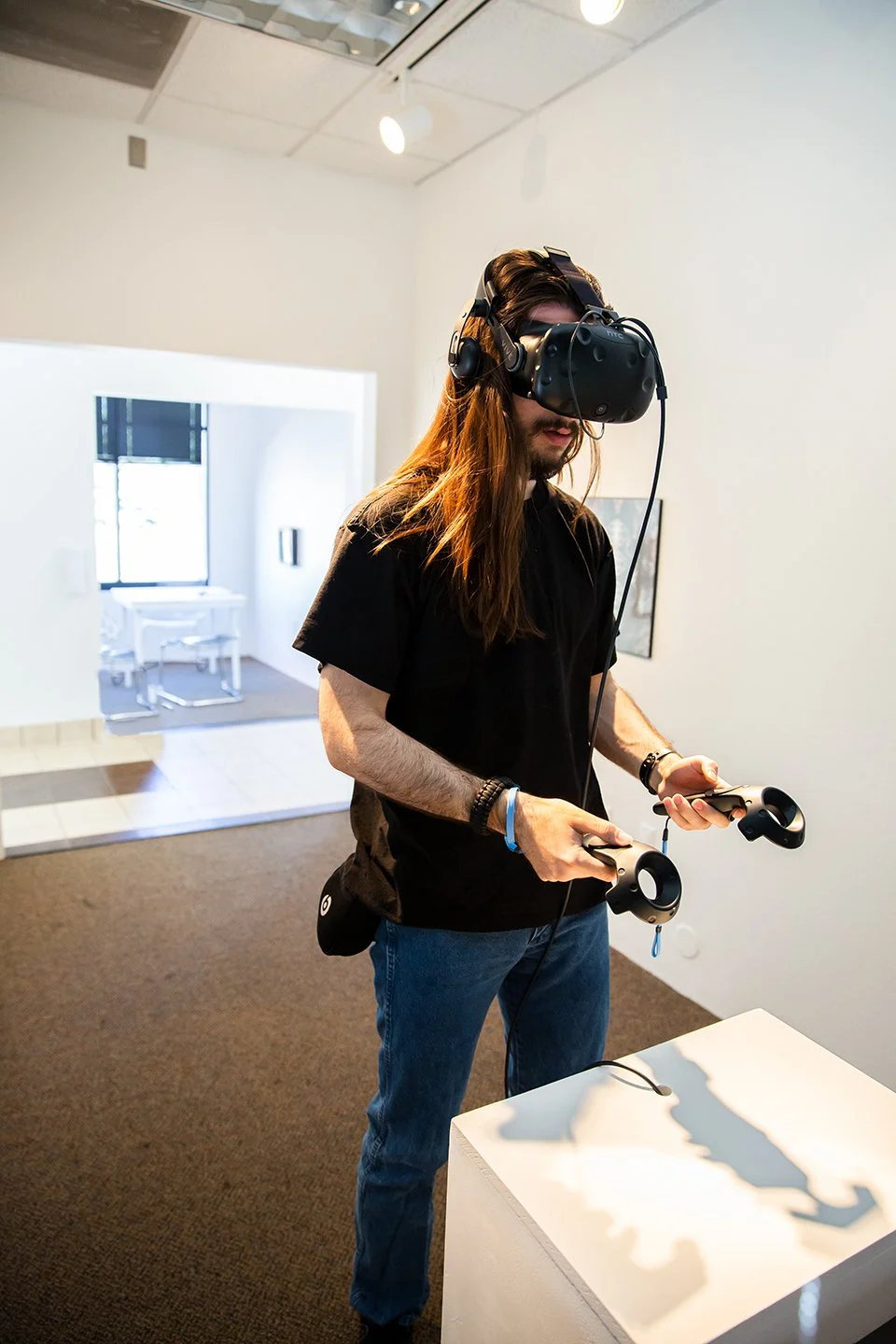
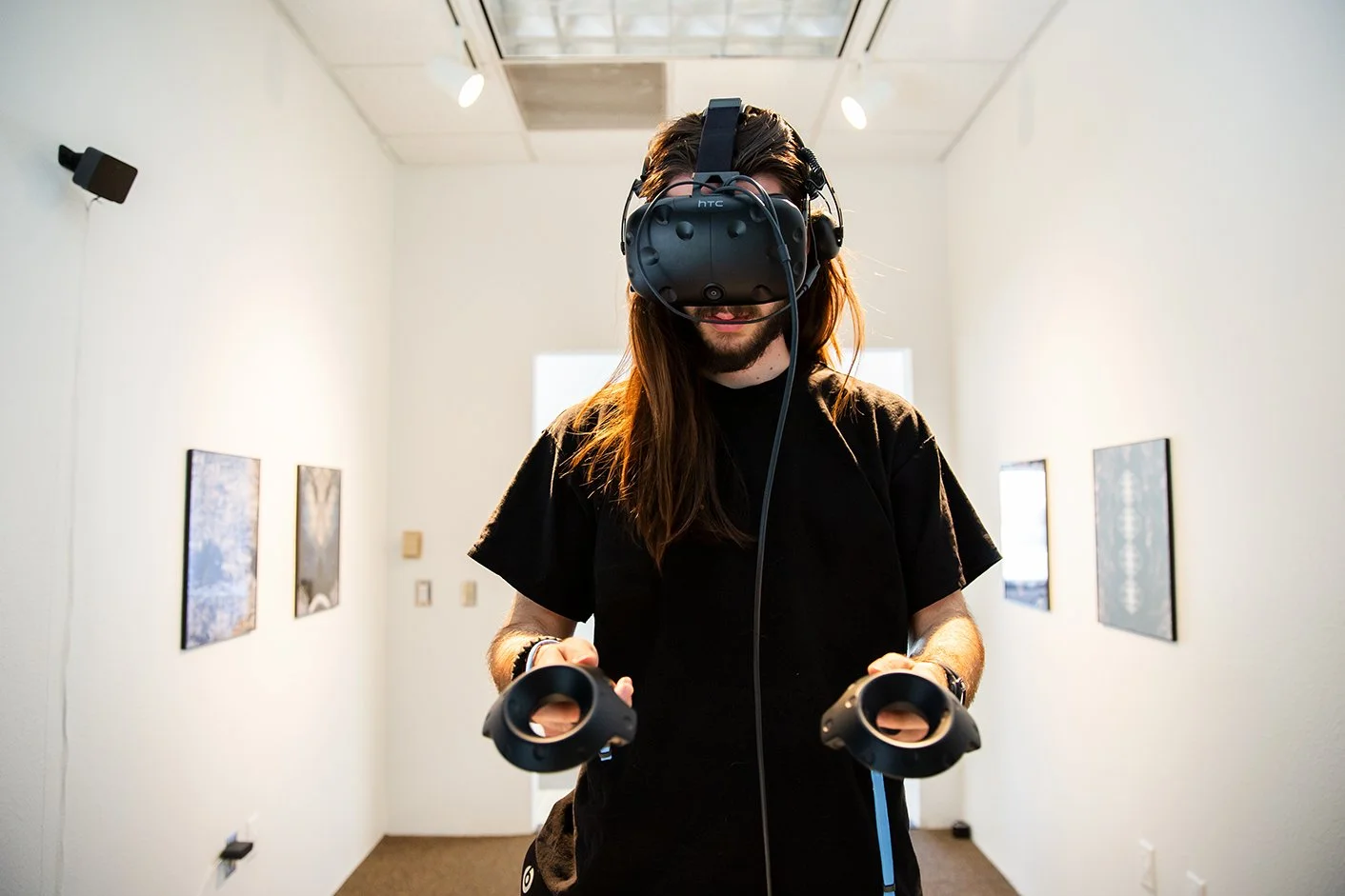
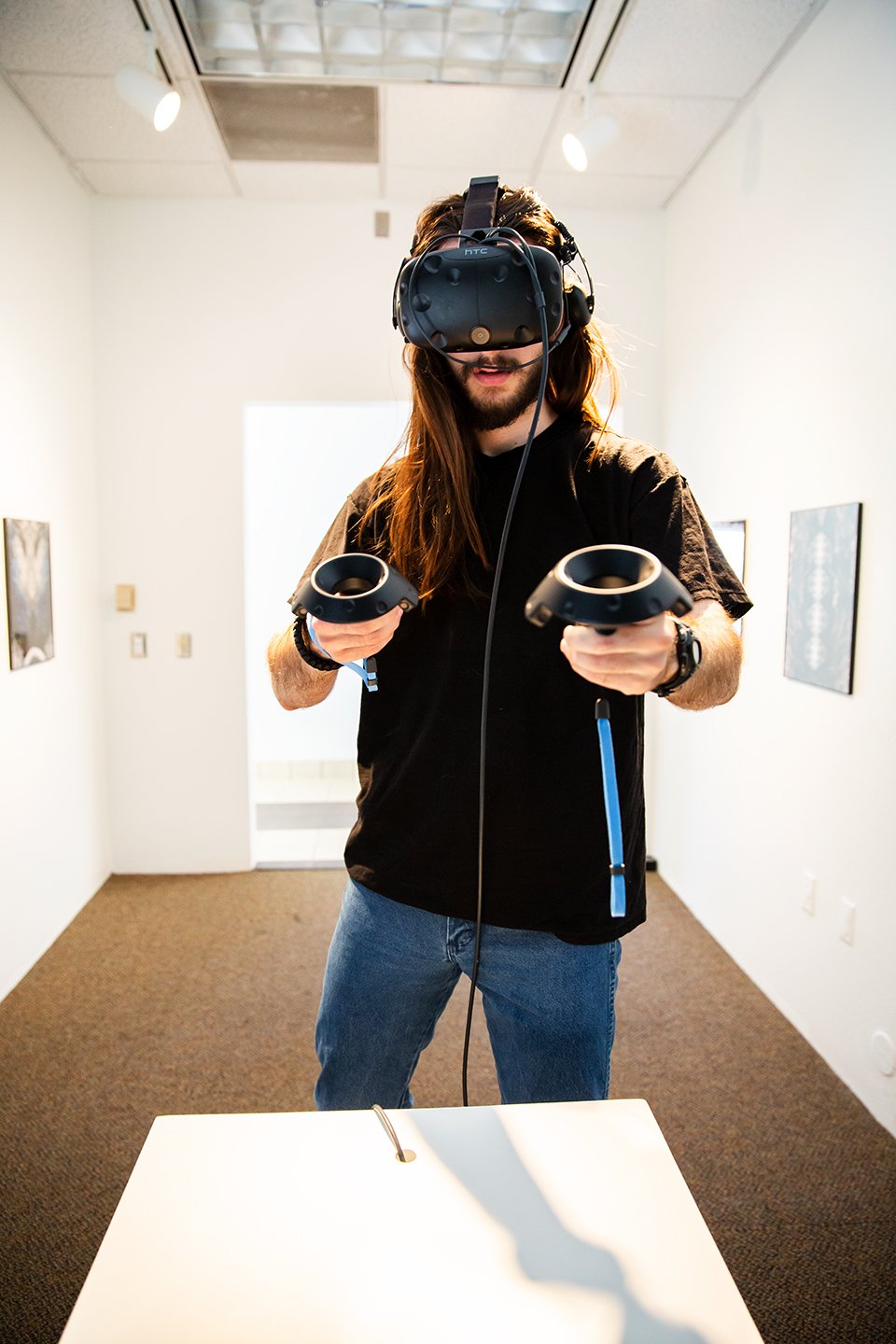
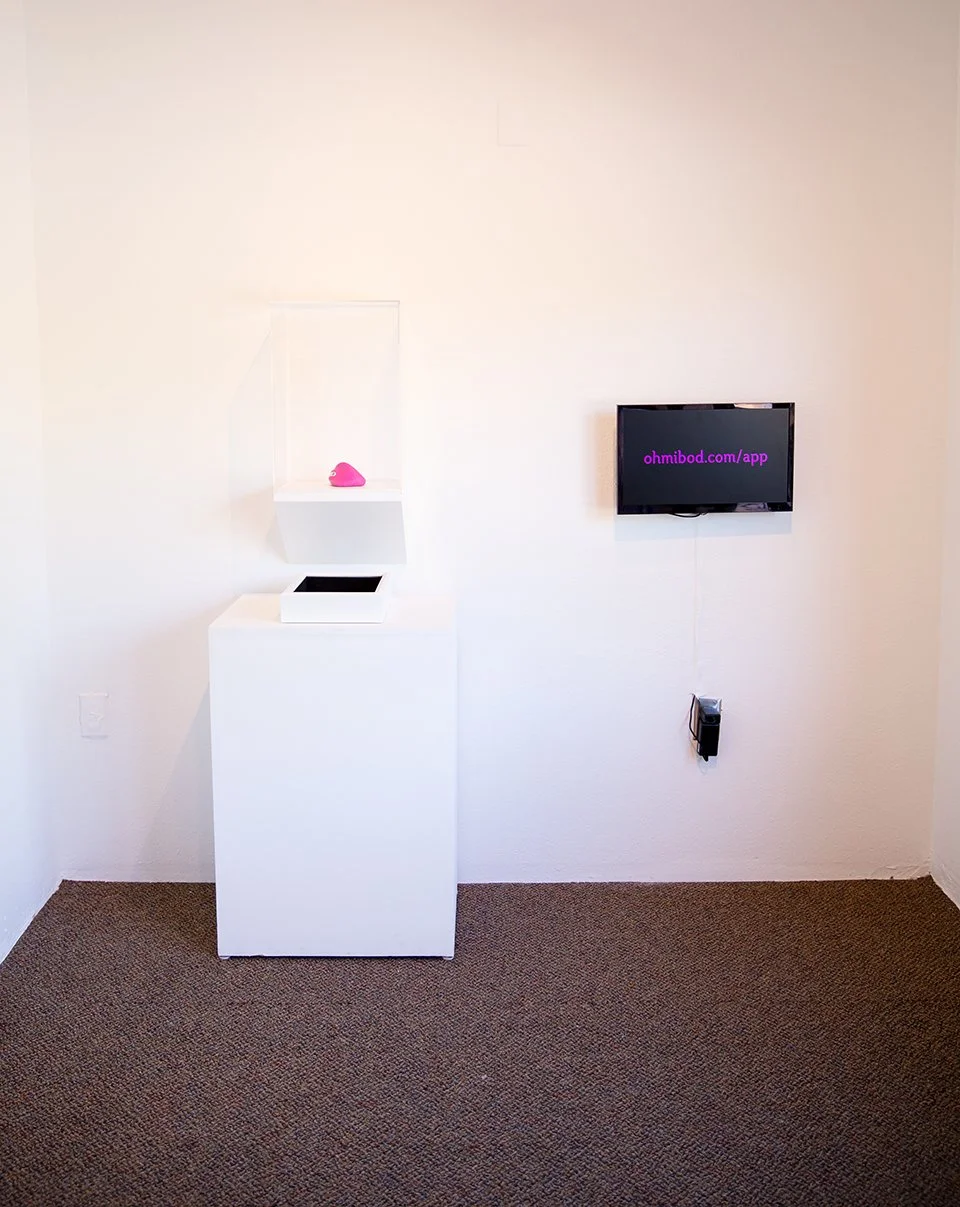
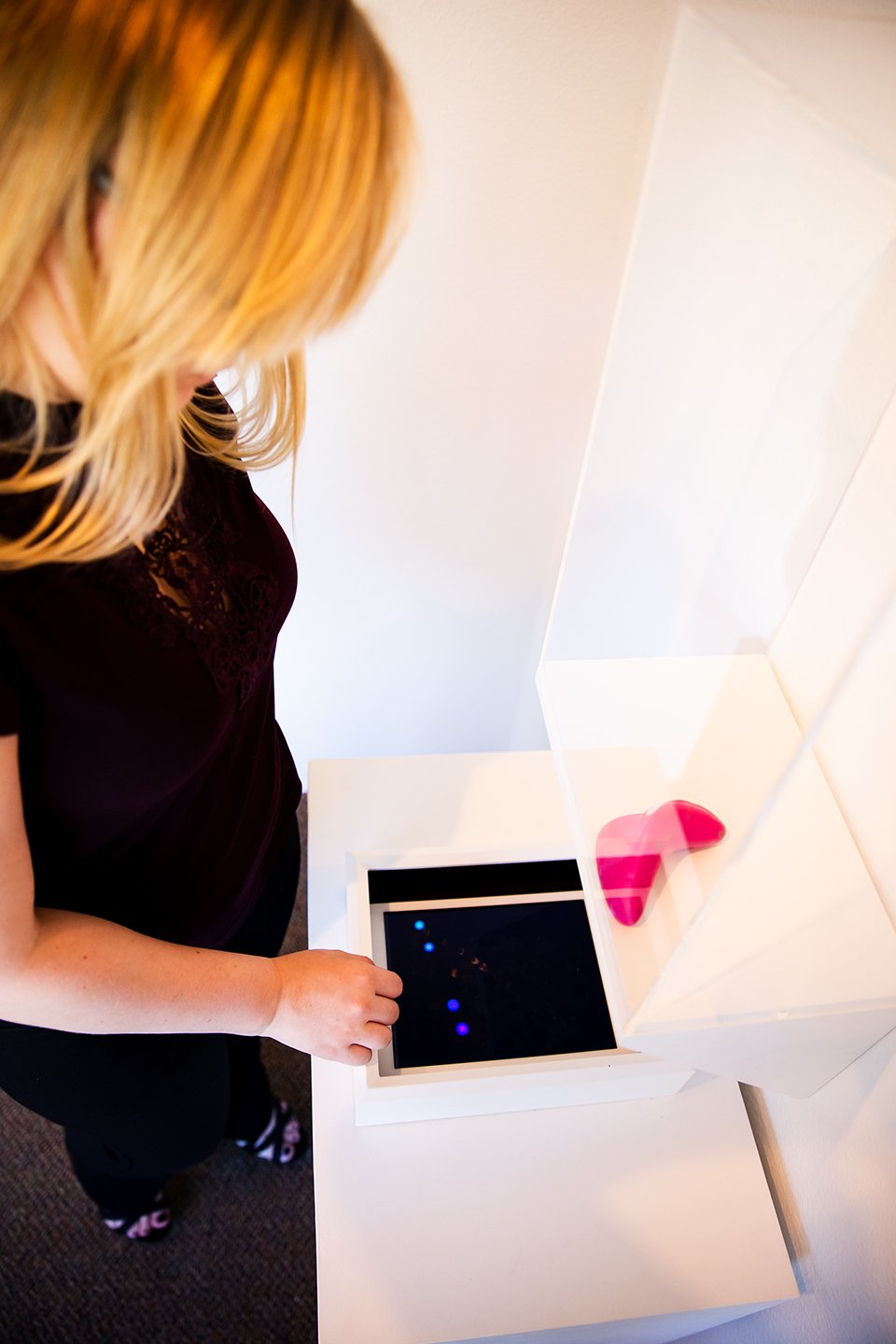
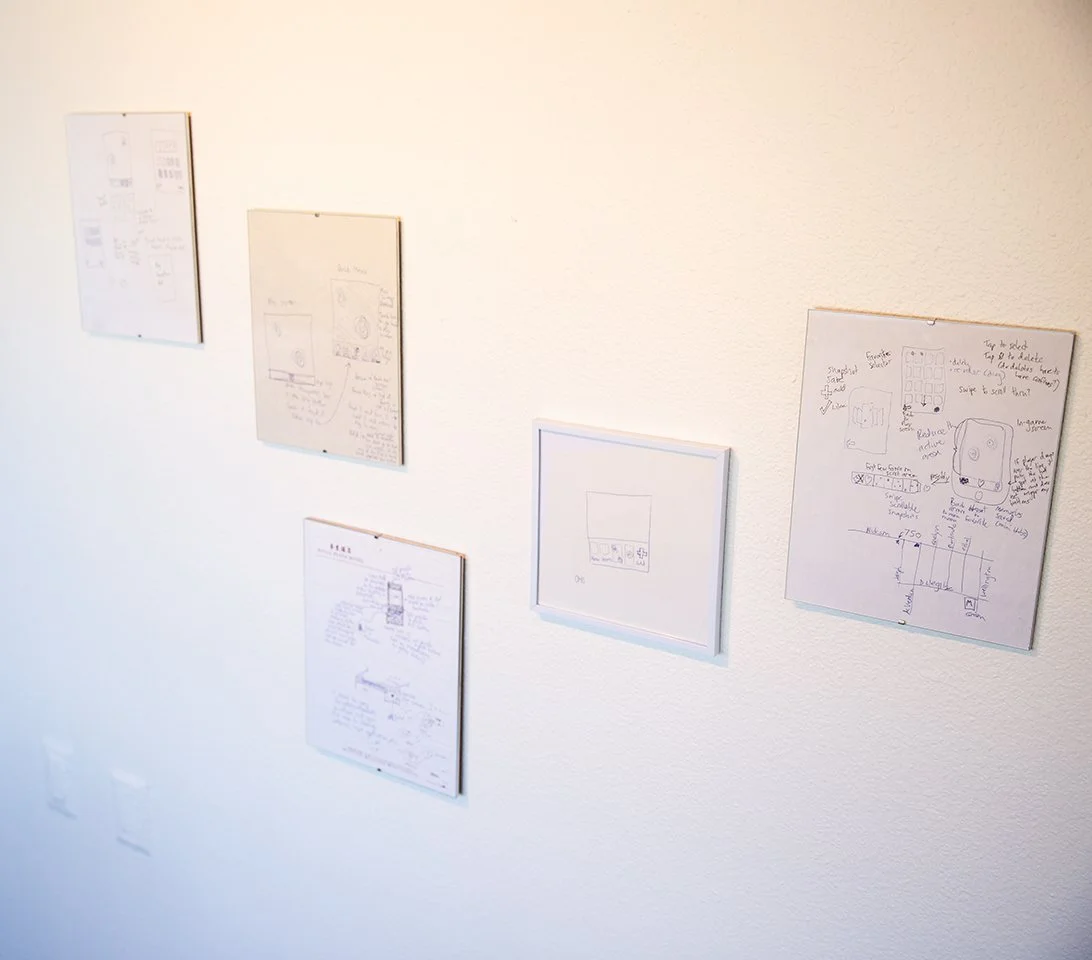
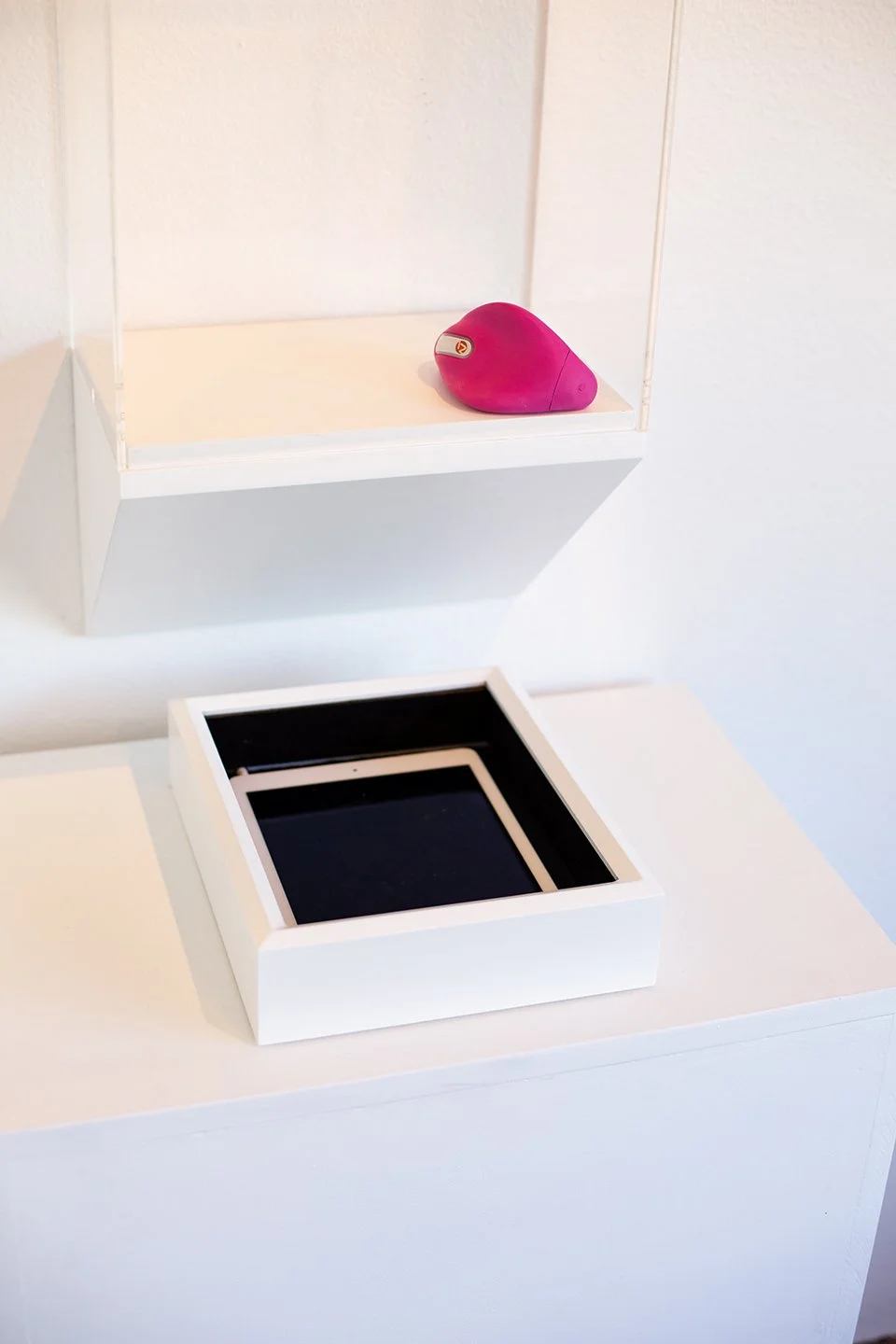
“Body Heat” Date: 2009 Artist: Heather Kelley Medium: OhMiBod custom software application, Vibrator, iPad, Pedestal Dimensions: Approximately 12” x 7” (varies with installation), 30” x 20” x 15” pedestal Origin: United States Copyright: © Heather Kelly Credit Line: Courtesy of the Artist
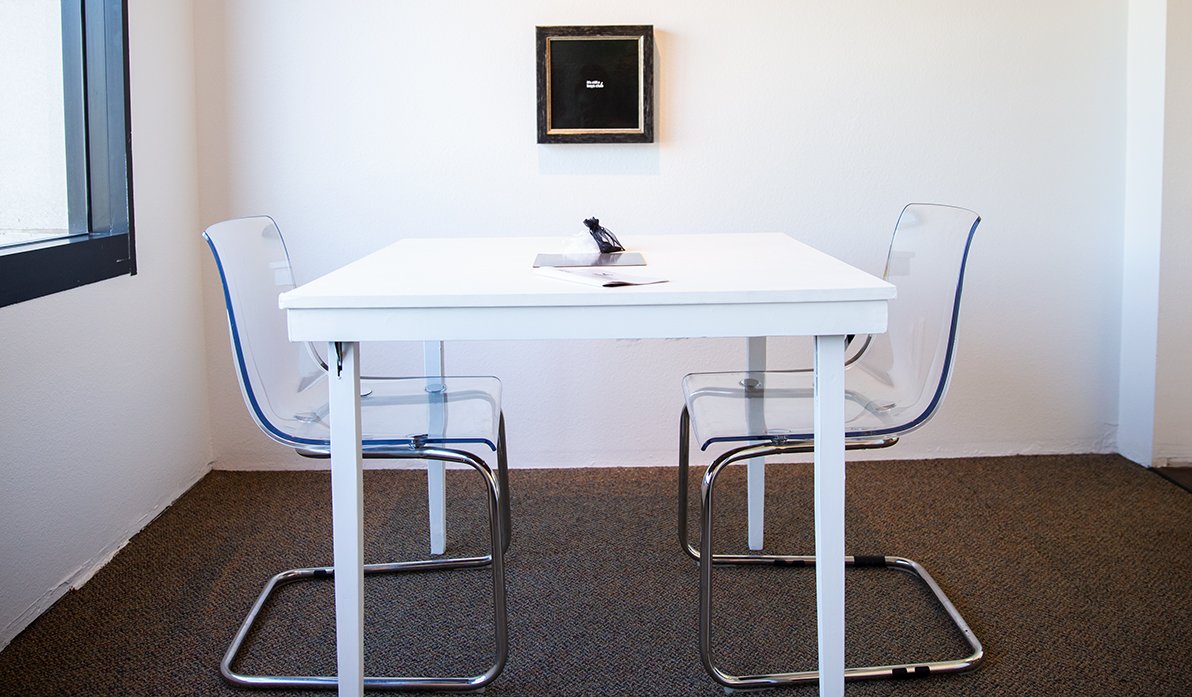
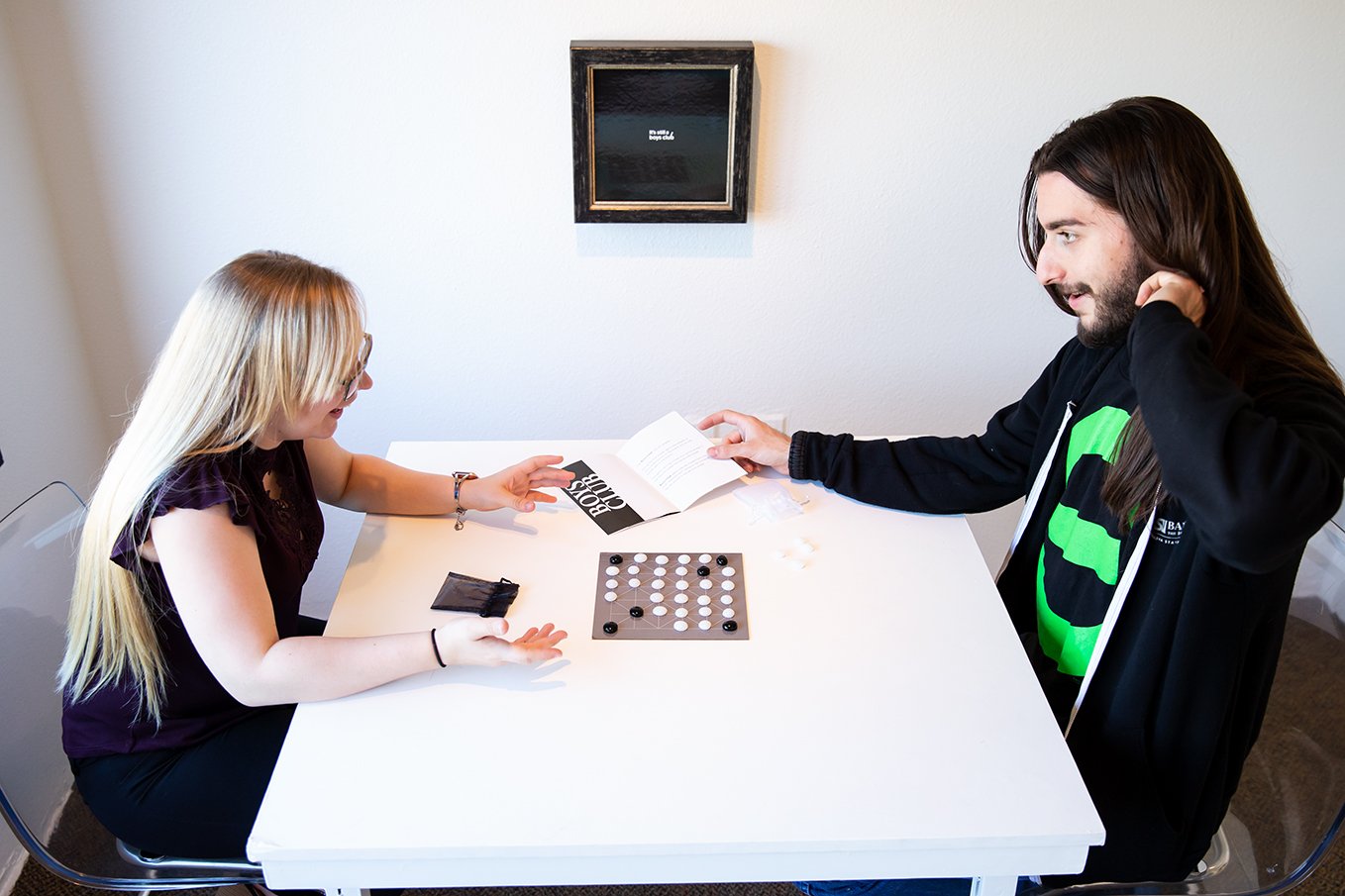
“It’s Still A Boys Club” Date: 2016 Artist: Theresa Devine Medium: Game board, glass gems, instructions, framed box, table, chairs Dimensions: Approximately 4’ x 4’ x 4’ (table installation with chairs), 13” x 13” (framed game) Origin: United States Copyright: © Theresa Devine Credit Line: Courtesy of the Artist

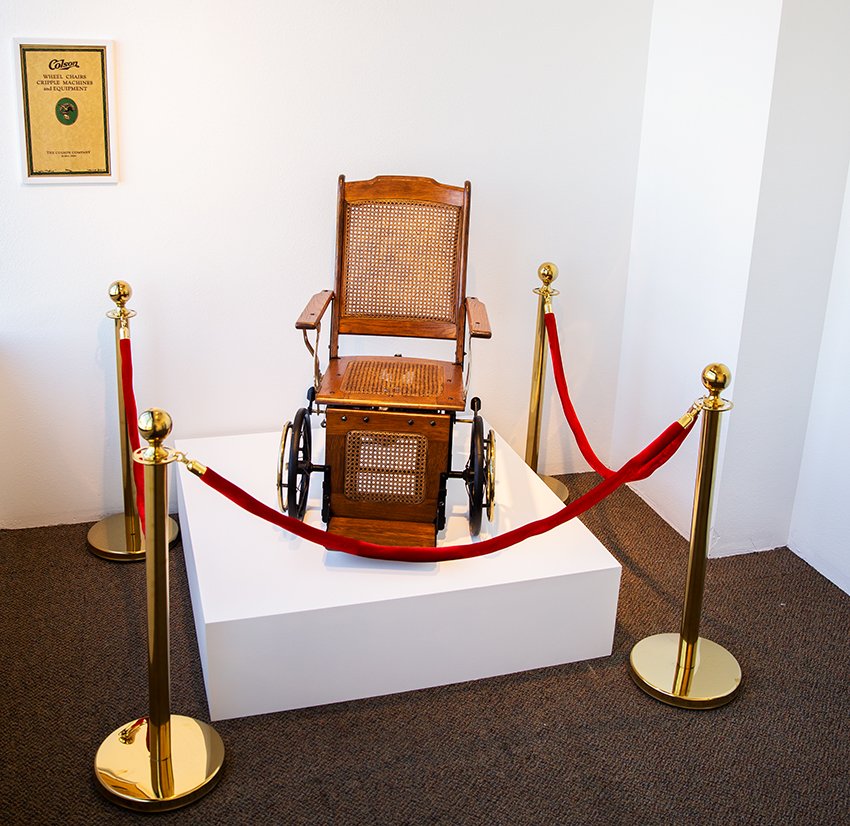
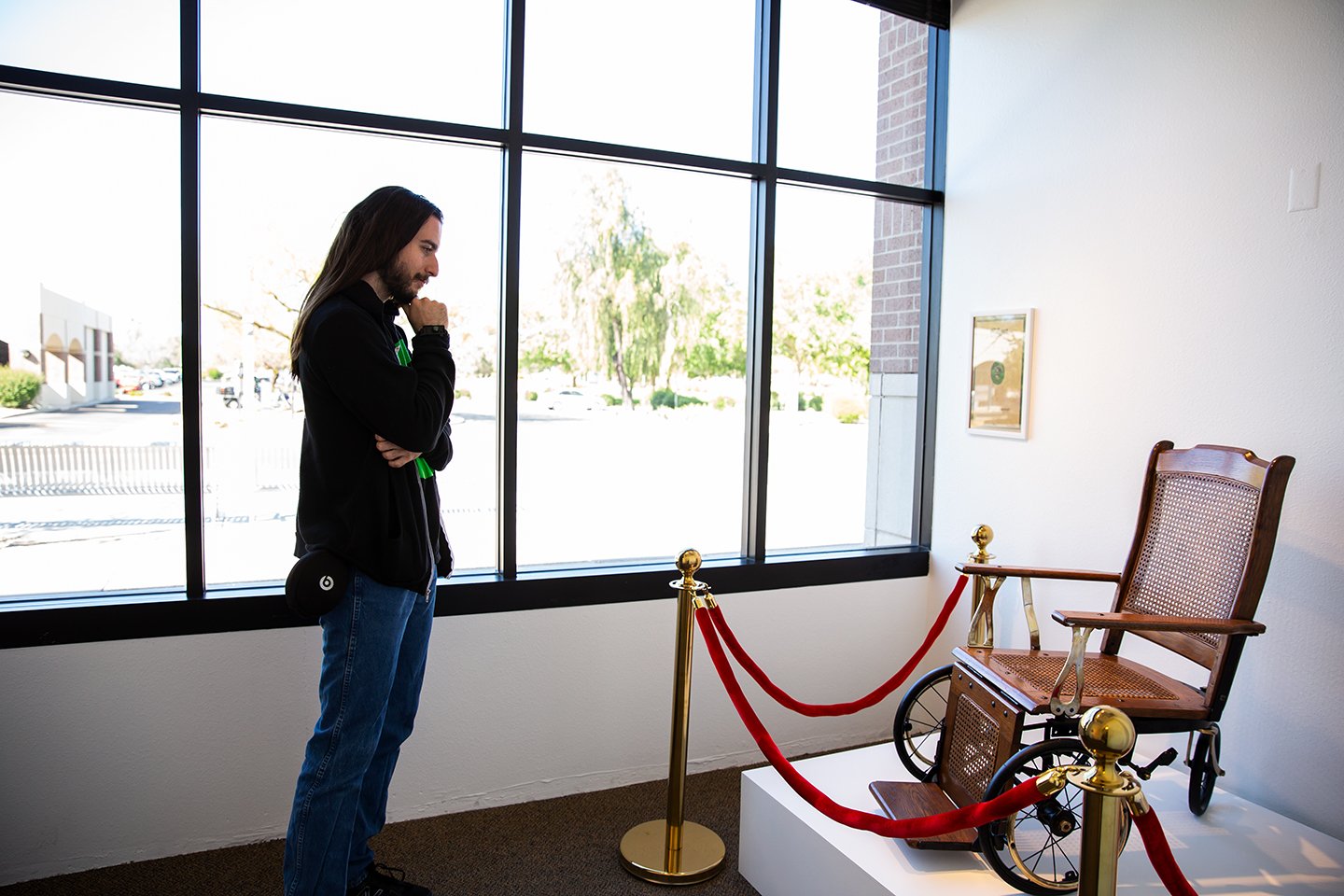
"Dependence" Date: 2019 Artist: Theresa Devine Medium: Readymade, Antique Wheelchair, Pedestal, Stanchions and red ropes Dimensions: Approximately 54” x 54” x 48” (installation) Origin: United States Copyright: © Theresa Devine Credit Line: Courtesy of the Artist
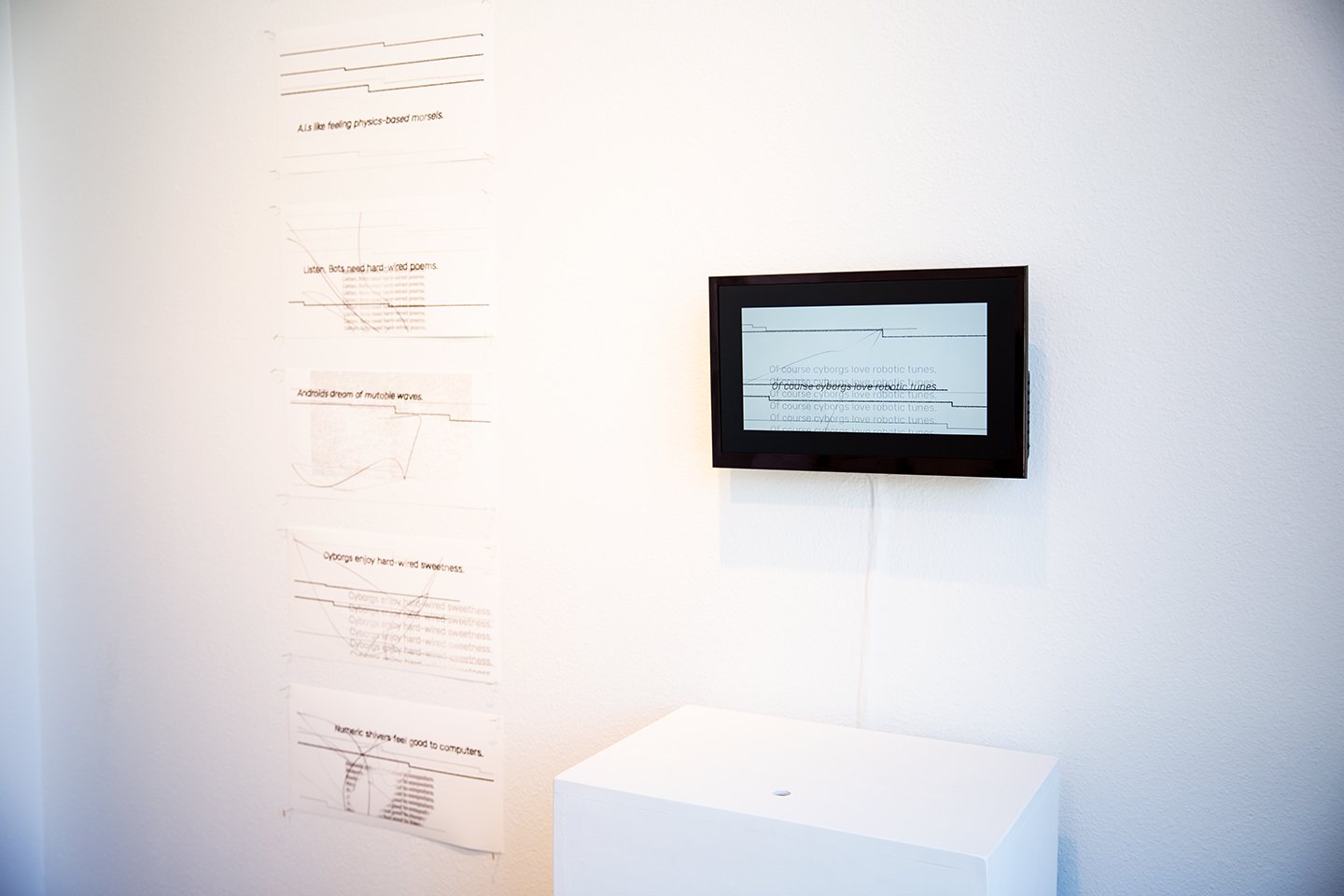
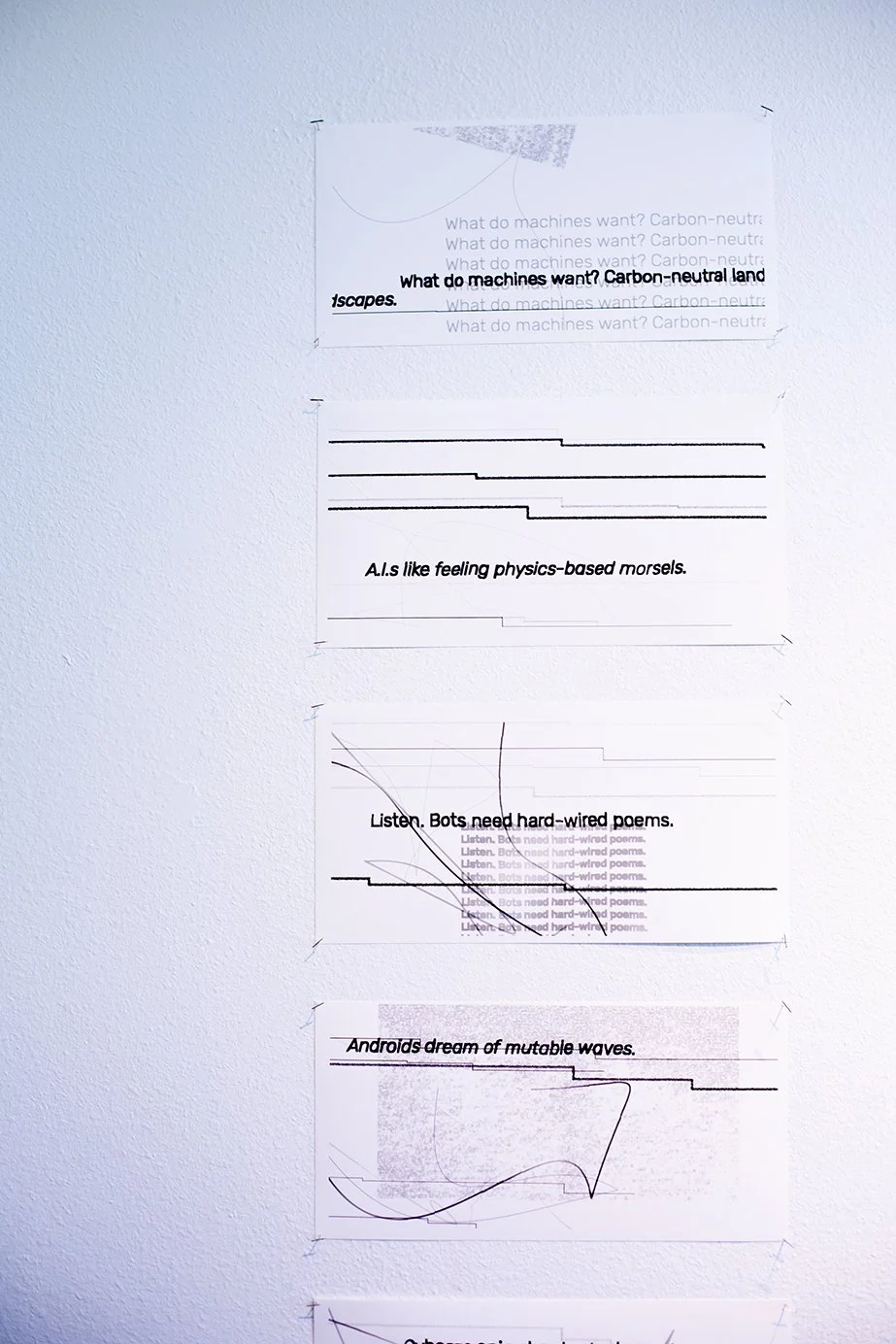
"INDULGINE" or “Indulgent Engine” Date: 2017 Artists: Heather Kelley and Audrey Moon Medium: Custom Software Bot, TV, Computer, Pedestal, Twitter Feed, Twitter Feed Prints Dimensions: Approximately 3’ x 2’ x 5’ (installation with 19” TV to display Twitter Feed), prints 19’ x 12’ hung in close proximity to Twitter Feed. Origin: United States Copyright: © Heather Kelley and Audrey Moon Credit Line: Courtesy of the Artists

"Untitled Grin and Bear It" (Portrait of Theresa in Phoenix), comprised of a pile of abandoned and reborn teddy bears, pays homage to Felix Gonzalez-Torres (National Portrait Gallery, Smithsonian Institution, 2011), whose work, which invites patrons to pick up and take home a piece of candy, is a memorial to his life partner who died of AIDS. In like manner, viewers are invited to take one of the teddy bears home, the pile of which is replenished with each installation of the piece. Unlike the original, the teddy bear version is not a memorial, but a reaffirmation of life. The viewers are invited to play with, among, and in, the pile of reclaimed and renewed abandoned teddy bears. This work is in dialogue with Takako Saito’s work in that it exists in the same conceptual space as her cube performances (Museum für Gegenwartskunst Siegen, 2018). The intent is to assert that play is an important part of our individual and collective humanity and is meant to be a reminder to everyone to make play a part of their everyday life. As the viewers become players, they experience the rediscovery of pure joy through movement, participation, and play. According to Stuart Brown, “Innovation, flexibility, adaptability, resilience, have their roots in movement. The play driven pleasures associated with exploratory body movements, rhythmic early speech (moving vocal cords), locomotor and rotational activity – are done for their own sake; pleasurable, and intrinsically playful. They sculpt the brain, and ready the player for the unexpected and unusual.”
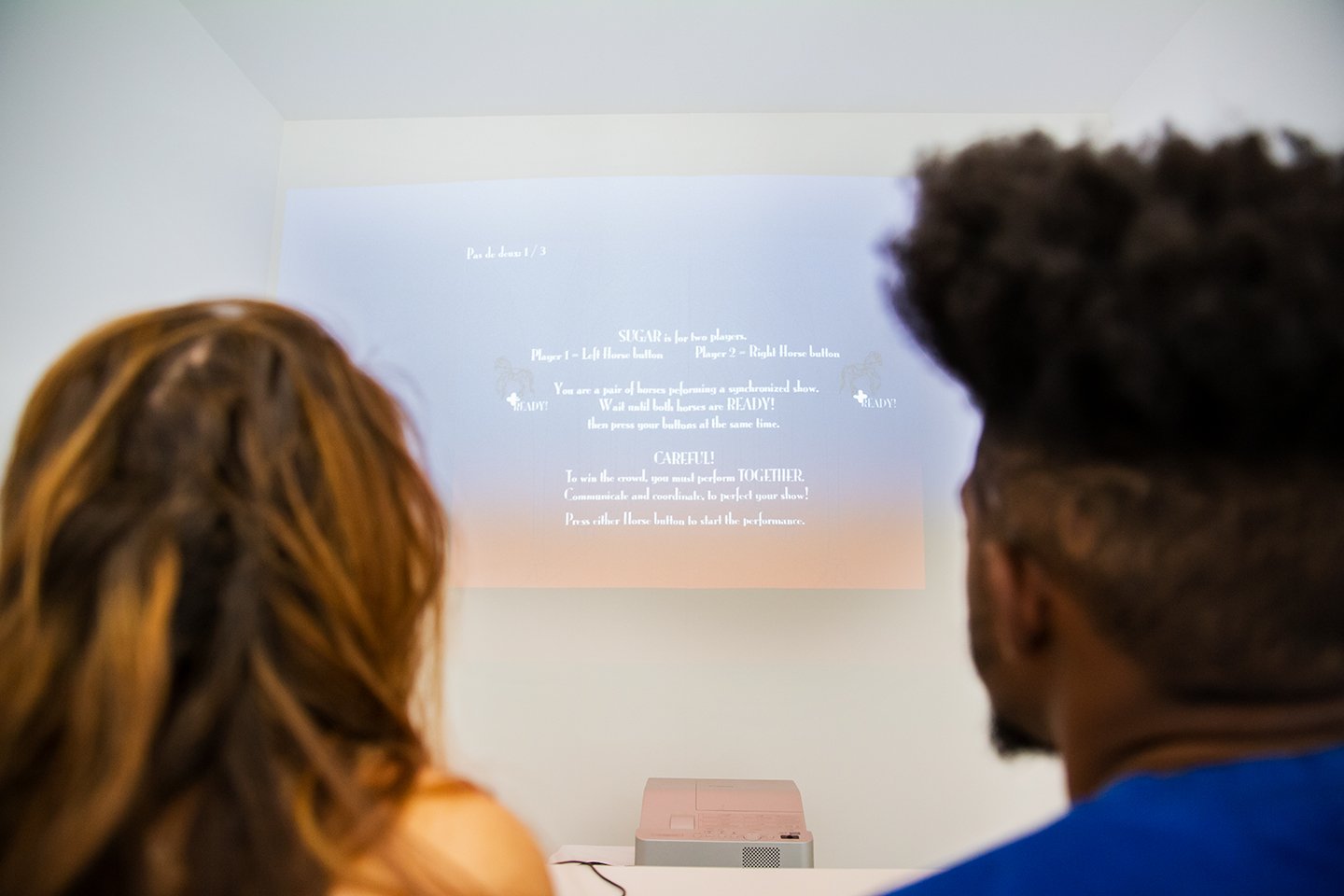
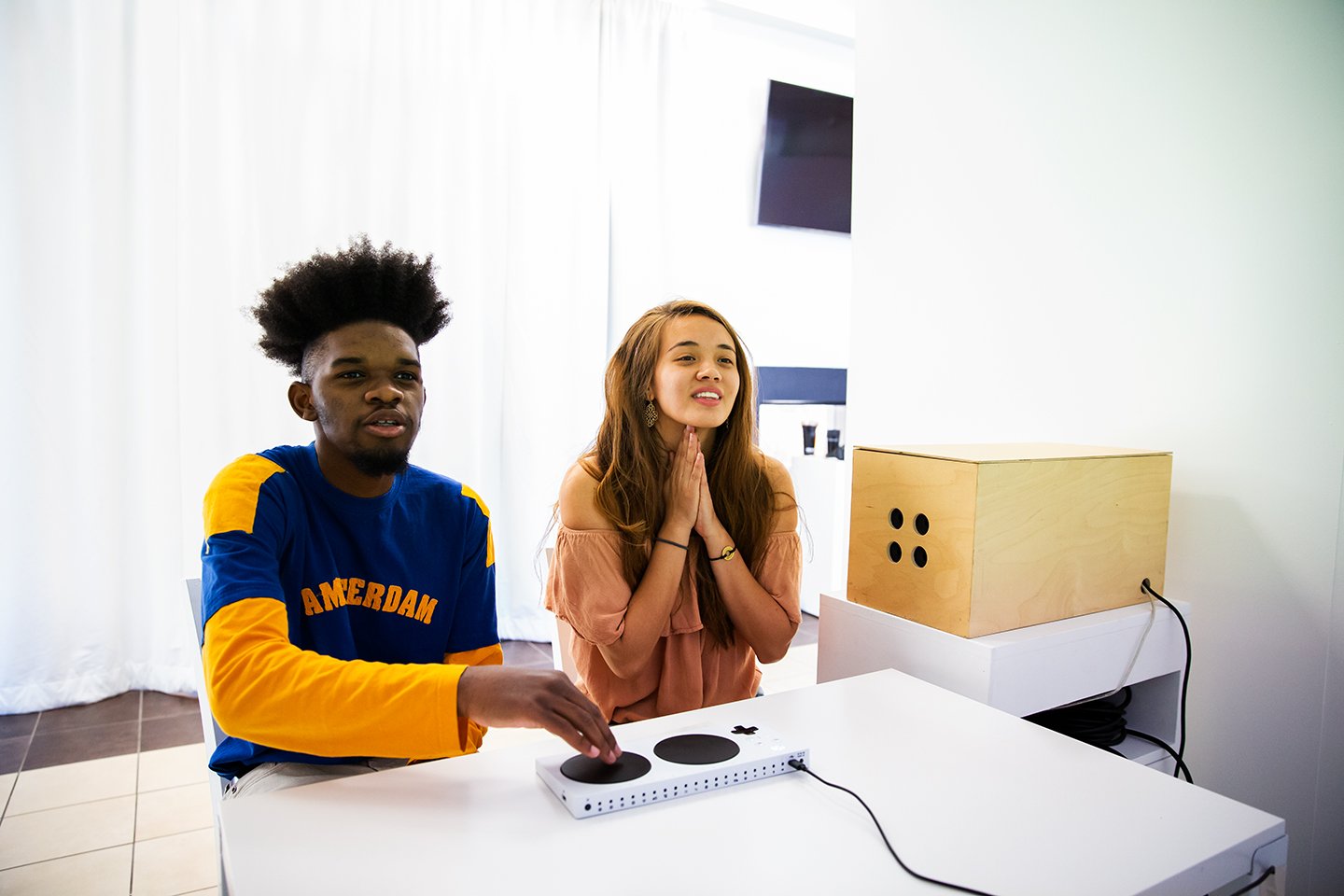
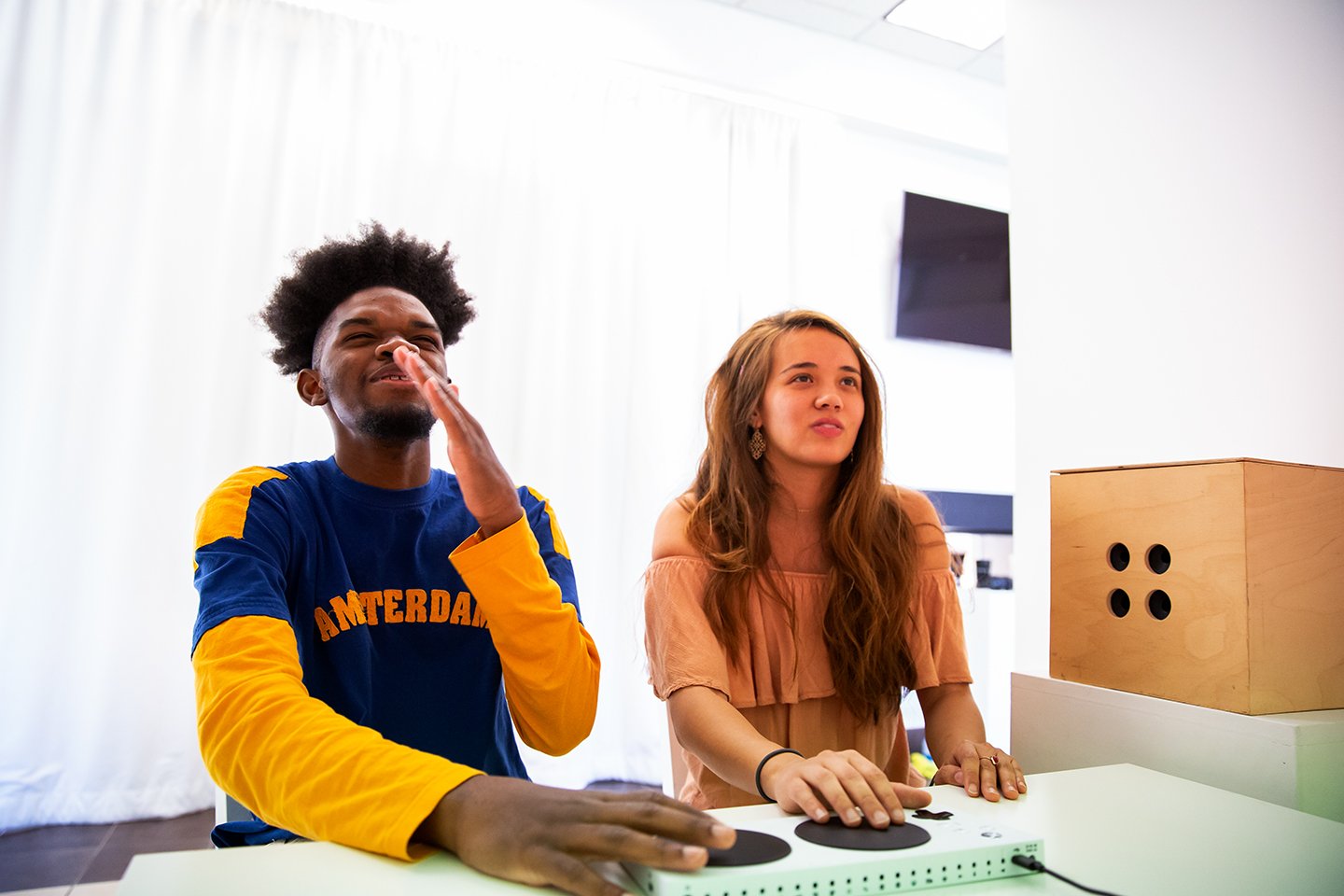
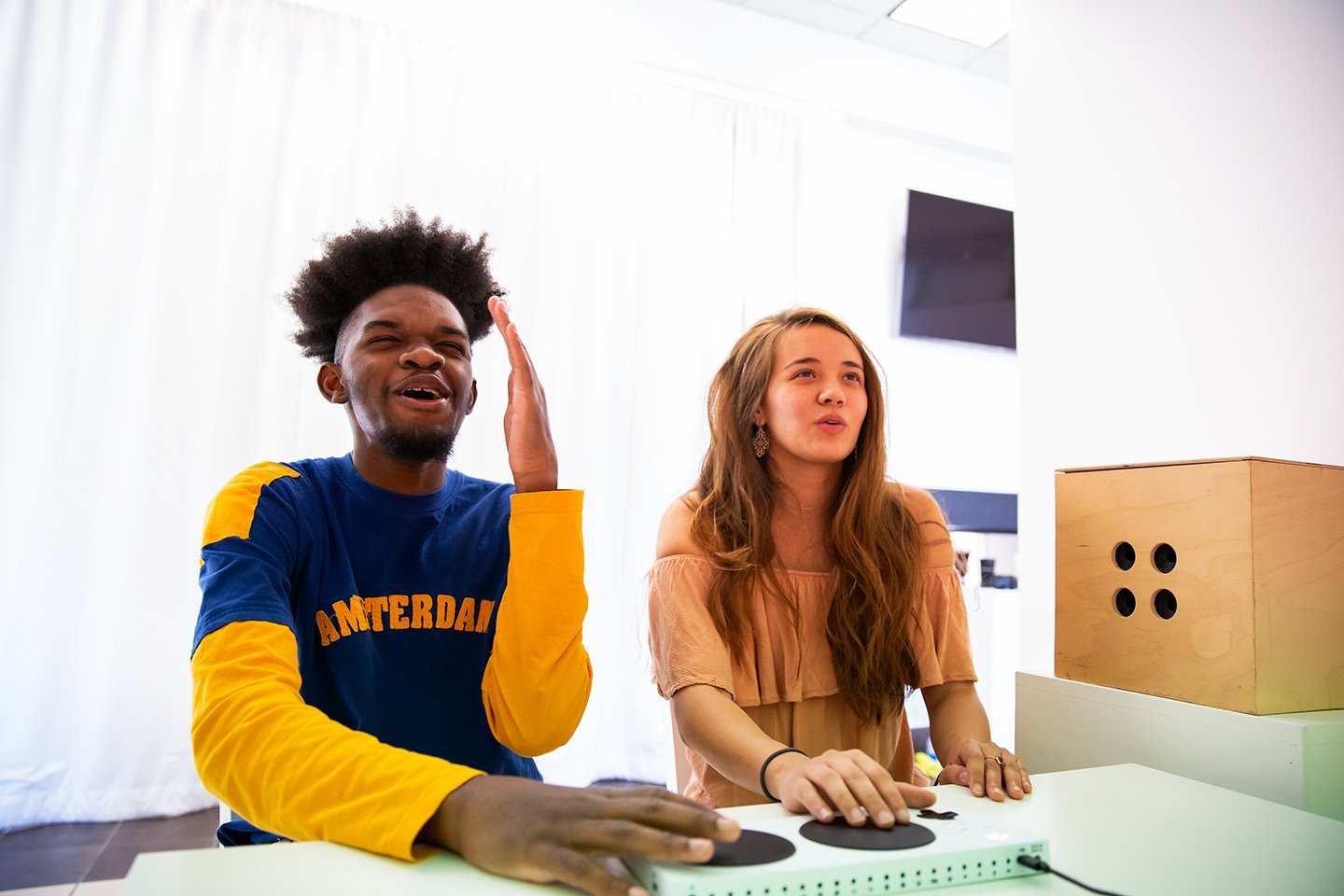
“SUGAR” is a collaborative computer game for two players, in which players enter the Spanish Riding School as performing Lipizzaner stallions. It is a multi-modal sensory installation that Heather Kelley completed while an Artist-in-Residence at Subotron, a video game culture center at the Museums Quartier in Vienna, Austria. The piece explores the relationship of our sense of smell to cognitive processes needed for the navigation of a play experience by using “combinations of specially-designed scent fluids (grass, leather, horse excrement) … triggered by … player actions and vaporized for distribution in the space (Kelley, SUGAR, 2009).” An immersive game interface transports play from the flat screen into the real, physical world. The work is in dialogue with FLUXUS artist Takako Saito’s “Smell Chess (Saito, 1965)” from 1965. “In Saito’s chess, strategy is undermined by the physical need to utilize the five senses. Her originality lies in the unique juxtaposition between the highly strategic thinking required to play the game and the physical senses we use in everyday life (Yoshimoto, 2005, p. 126).” Building on Kelley’s earlier theory (Kelley, 1997) in which she explicates the relationship of vision, sound, and the hierarchy they create, “SUGAR” introduces a navigational scent that requires a mindfulness that vision and sound alone are unable to evoke from the player. Like the work of Saito (Museum für Gegenwartskunst Siegen, 2017) Kelley engages the audience by inviting them to use their sense of smell to explore “the complete variety of human experiences… (Kelley, 1997, p. 1).” Unlike Saito’s work, that transforms the cerebral game of chess “into a play of sensual interactions (Yoshimoto, 2005, p. 126),” “SUGAR” reverses Saito’s game mechanic by using recognition of the aromas to interact, and by inviting the player to engage conceptually and make meaningful decisions through smell.
The project was originally a collaboration with fellow Artists in Residence Leonie Smelt (fashion) and Mitch Heinrich (product design), as well as remote collaborators Damien Di Fede (programming) and Anna Zajaczkowski (visualization and programming).
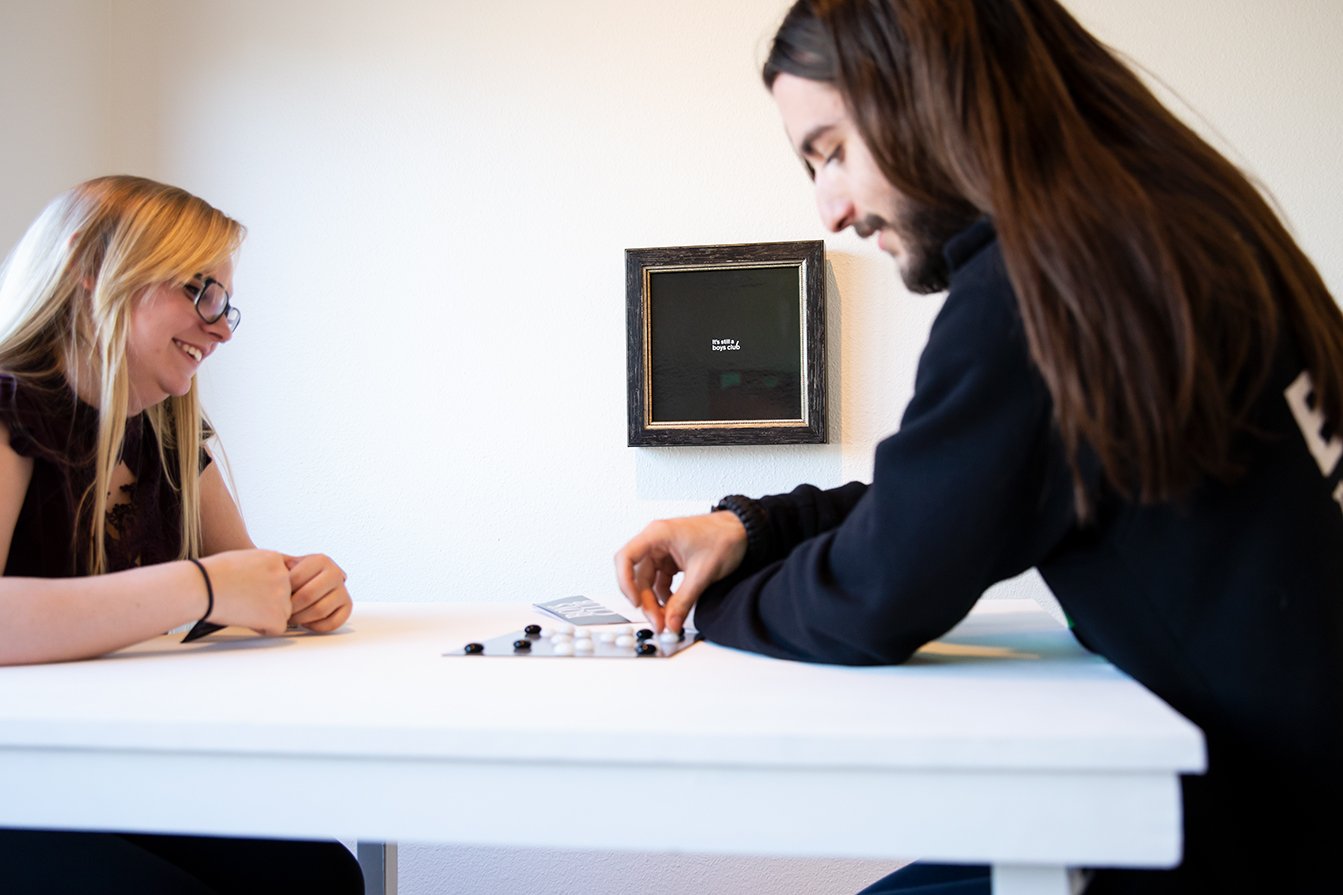
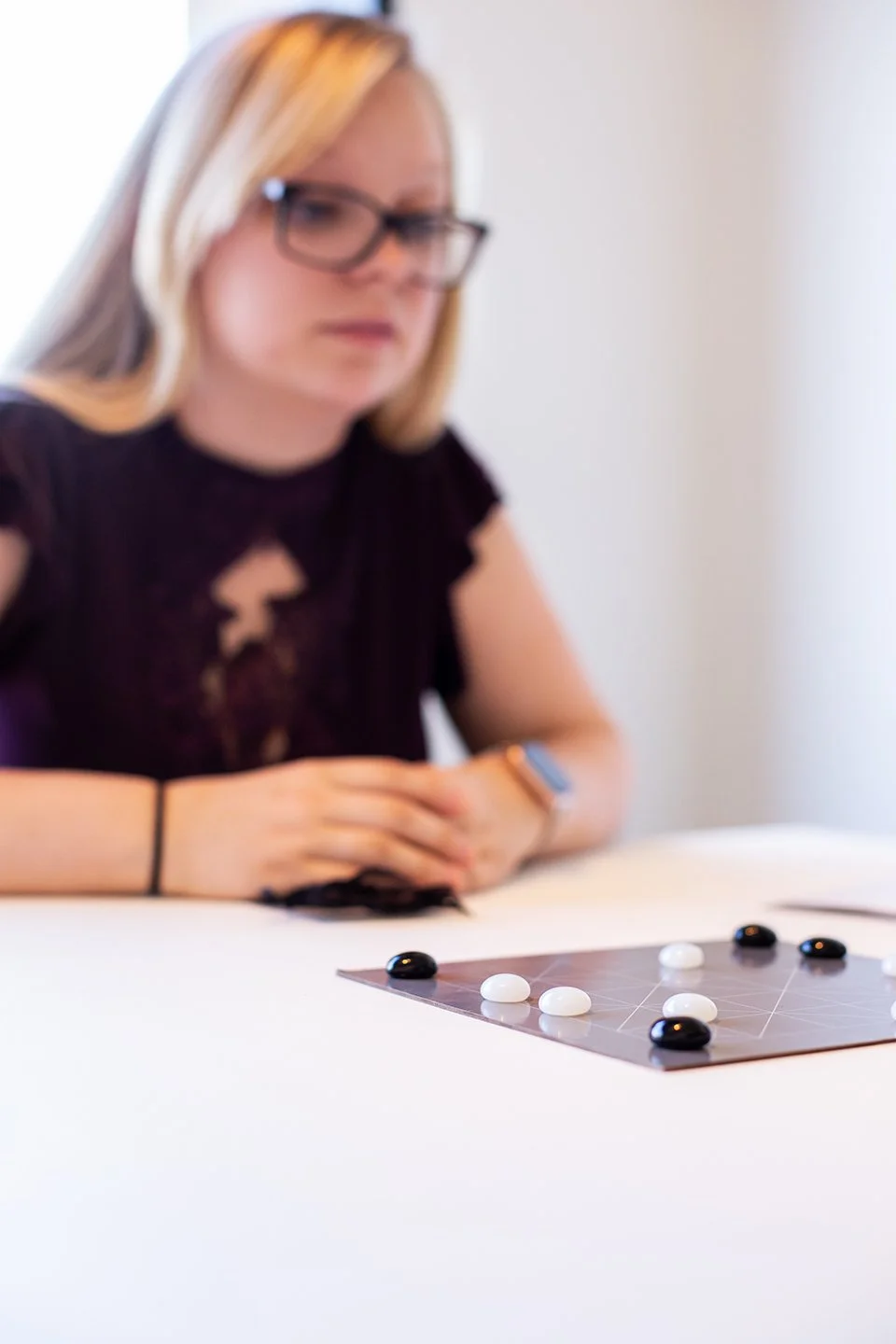
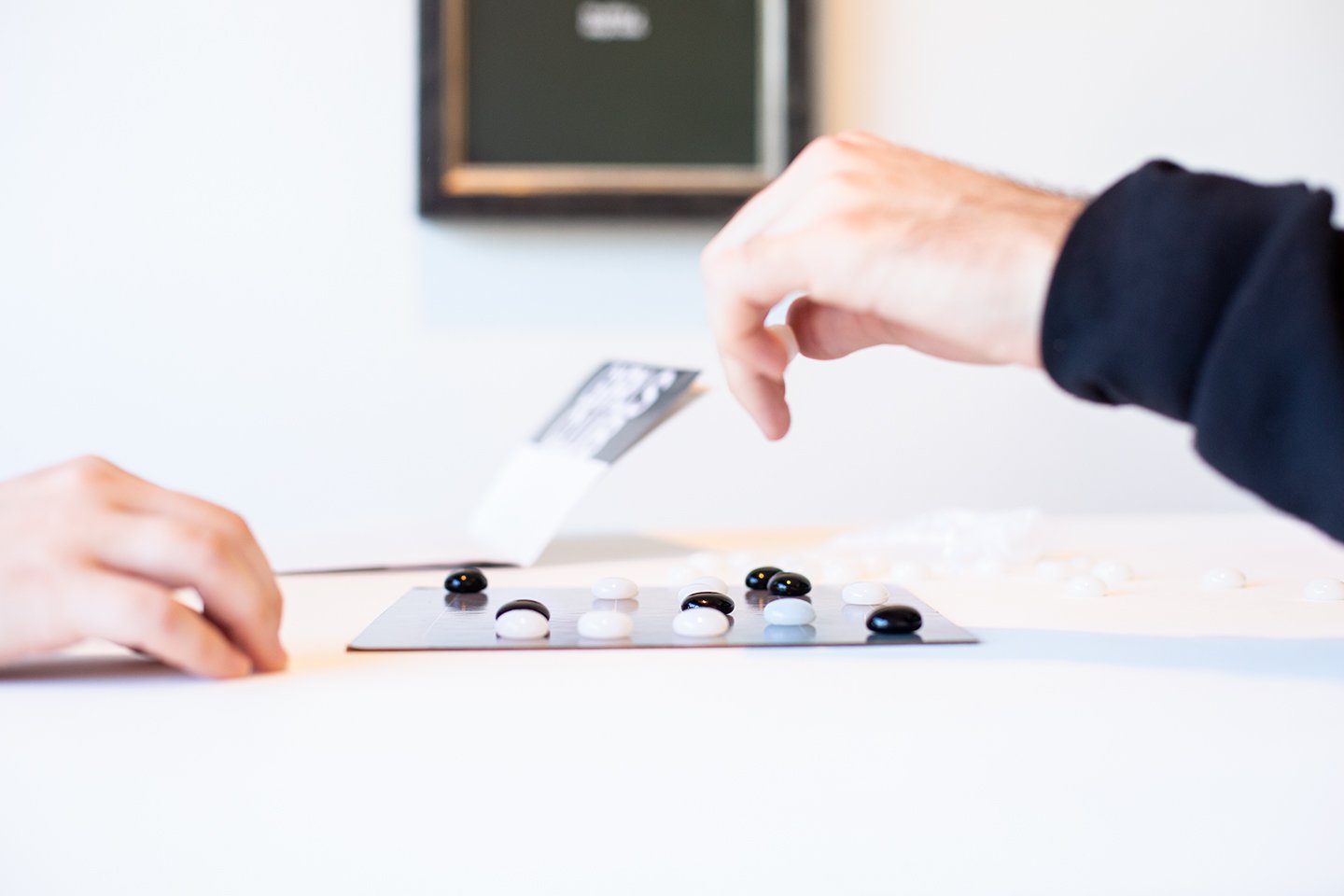
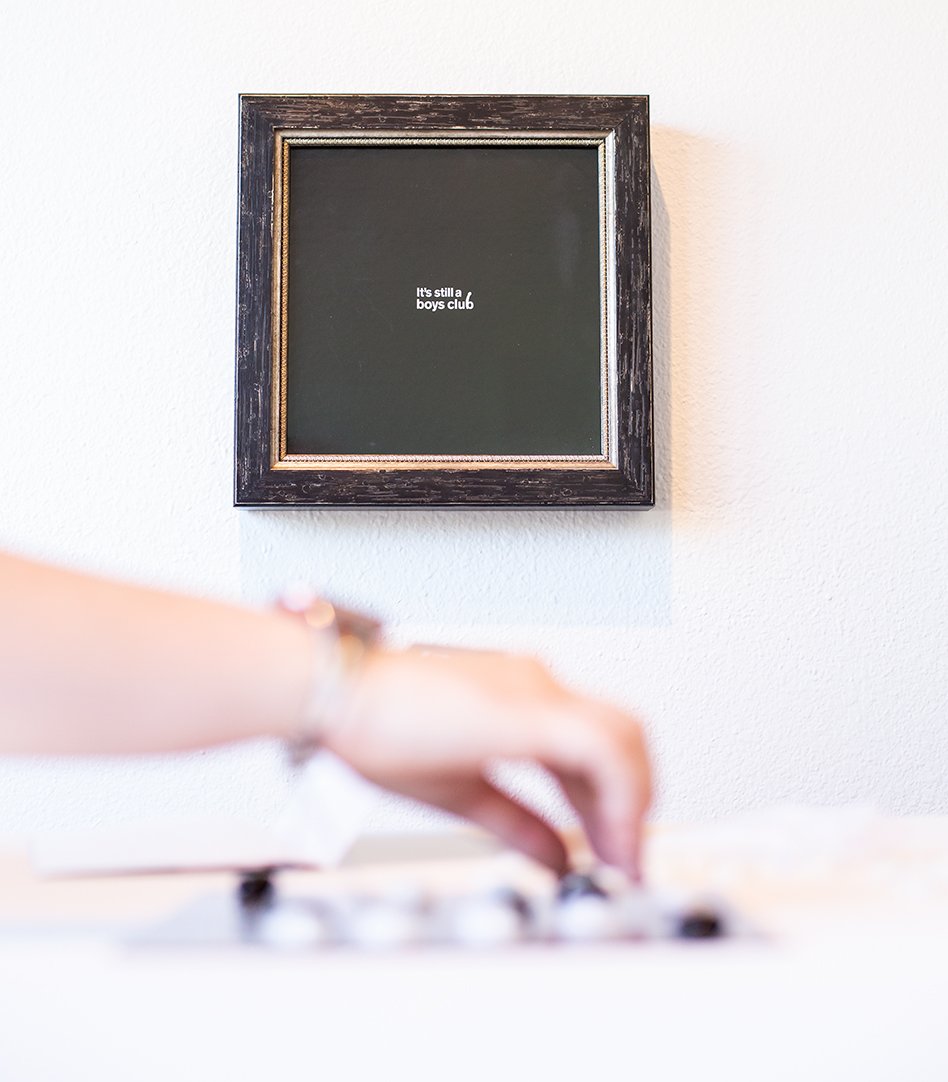
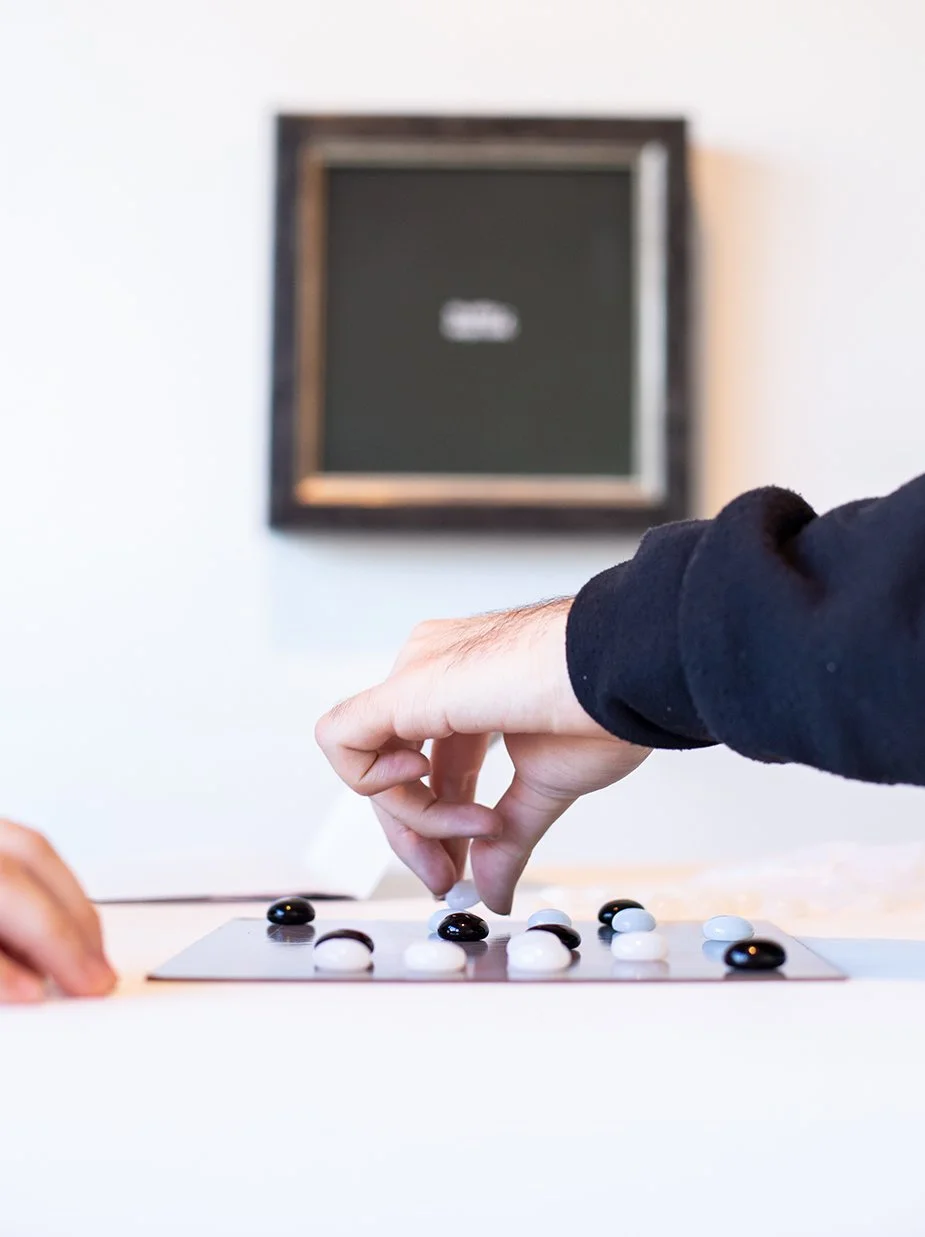
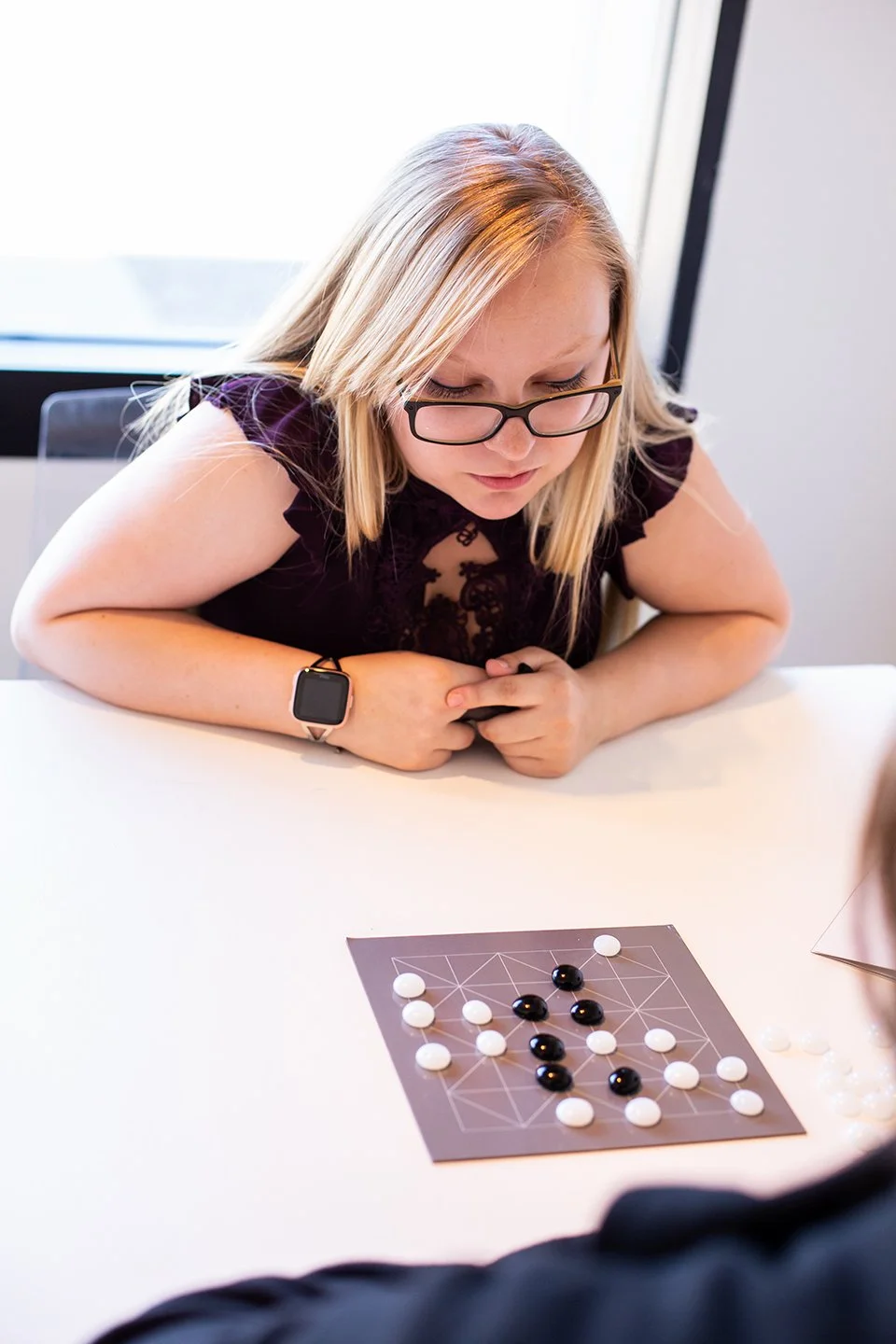
“It's Still A Boys Club" is a strategy game that is played on a board which has 25 points with intersecting lines. Both Boys Club and Girls Club gems can only be placed on the points and moves are made along the lines. The goal of the Girls Club is to capture the Boys Club. The goal of the Boys Club is to block the Girls Club, so that they can’t move. It is politically situated to comment on the struggle for gender equality that is still prevalent. The game uses a sophisticated version of object play. Stuart Brown states, “Along with other special patterns of play, the curiosity about and playing with ‘objects’ is a pervasive innately fun pattern of play and creates its own ‘states’ of playfulness. Early on, toys take on highly personalized characteristics, and as skills in manipulating objects (i.e., banging on pans, skipping rocks, etc.) develop, the richer become the circuits in the brain (Brown, 2009).” Since board games contribute to the growth of problem solving, this game was designed to create circuits that would bend themselves to solving the problem of inequality. In making the player consider the imbalance in the playscape, it suggests that perhaps there is a better way to form an inclusive environment for all genders. The history of Art has a long tradition of pointing out injustices, but this piece takes it a half a step further by suggesting that we can go further than conversation and make progress toward real solutions. It was important that this piece was created as a board game, because playing it exposes the system, and, once the system is known, as in all board games, the players can fix the game by changing the rules.
“Body Heat” is a vibrator interface for the iPhone and iPad which allows touchscreens to be used to adjust vibration speed, intensity, and patterns, and, in so doing, explore the nuanced experience of the female orgasm. The project was first presented at the sex tech conference Arse Elektronika in September 2010 in San Francisco (Kelley, 2010). The company OhMiBod, which specializes in music-driven vibrators, bought the application and renamed it "OhMiBod app" in early 2011 (Kelley, 2011). The placement of this piece in the art dialogue is especially interesting to think about, as the history of Art is filled with voyeuristic images of women in various states of ecstasy, or as Laura Mulvey put it, “women in the male gaze (1975, 1999, p. 837 para).” This particular work puts a person on the other side of that gaze and flips the focus onto the beauty of an intimate moment. This piece brings to the forefront a reminder, that, in the midst of all of the misogyny, objectification, and exploration of sexuality and taboo that goes on in Art, this most human moment of the orgasm is a very beautiful part of intimacy. Stuart Brown identifies this type of play as “attunement,” which is the building block of all other types of play. In addition to intimacy, attunement play can be found in audiences doing “the wave” in a stadium or at a concert, or a mother and child playing peek-a-boo. In all instances the participants’ “right cerebral cortex, which organizes emotional control, is ‘attuned’ in… (Brown, 2009).” Works of Art such as “Body Heat” are important because they level power relations in sexuality; they transform the voyeuristic stare by an active agent at a passive one into a more egalitarian, mutually shared attunement dynamic, involving both players equally, and, in so doing, they help the gallery viewers recognize and appreciate our shared humanity.
"Beyond What You See" These pieces are a series of Augmented Reality toys meant to spark the imagination. The charcoal drawings are abstractions of remembered childhood experiences from nature. Since early childhood, I have been curious about the workings of nature and bedazzled by its beauty. From time to time I come back to and explore the magic and wonder of these experiences in my work. In taking time to notice the micro-landscape and enjoy all it has to offer, I hope to encourage my viewers to do likewise. It is a cue that we are not separate from nature but a part of it. Look closer – don’t miss it – let it take you to another world in your mind’s eye. Imaginative play such as this helps us “to create [our] own sense of …mind… which continues to nourish the spirit throughout life, and remains key to innovation and creativity (Brown, 2009a; Brown, 2009b).”
“SUPERHYPERCUBE” is “a … physical puzzle game that is … fully enveloping and plays with … spatial perception [with] intuitive shape-matching gameplay. …[The player] controls a group of cubes and rotates them to fit through a hole in a wall that is constantly moving closer (kokoromi, 2016).” The kokoromi collective goes on to say that the game was influenced by “the minimalist art movement known as ‘light and space’ (p. presskit).” This reference is almost buried in the list of stimuli that they name but it stuck with me as one of the most important influences of all. The reason for this feeling is that the game is foregrounding a “machine-centered, spectacle oriented aesthetic, with an element of kineticism… (Butterfield, 1993, p. 13)” experience. Unbeknownst to the artists of the Light and Space art movement, this path of creative inquiry had its beginnings in the 18th century when “Father Louis Bertrand Castel demonstrated his ‘clavessin oculair,’ the world’s first color organ (p. 13)” to a group of friends in Paris. I think acknowledgment of this beginning reclaims the perspective of the movement as a balance between machine, spectacle, light, and enlightenment as a point of departure for “SupeHyperCube.” When seen from this perspective it becomes apparent how the game is one of the 21st century developments participating in this trajectory of research. While the collective does not refer to the ZERO group, I also see a strong relationship with Otto Piene’s “Light Ballet (1961).” In addition to shared formal choices, since the game incorporates a perma-death mechanic (on failure the game starts completely over), conceptually, it is very like “Light Ballet” because Piene meant his installation to be “reconfigured endlessly according to the shape of the space and the number and variety of projectors … This embrace of the ephemeral … in terms of the beautiful and the intangible, … rings true because it can so easily vanish at the flick of a switch (Micchelli, 2016).” The ephemeral in “SuperHyperCube” is balanced with an addition of participatory object play and since the game literally asks the player to turn their head, it is planting a metaphorical seed and for them to let go of personal blinders. The player can’t succeed unless they can change their perspective. Because the game has a high difficulty level, the player is left to struggle endlessly to succeed and is caught between a recognition of the state of their own human condition and that of a world that can end at the moment of any misstep.
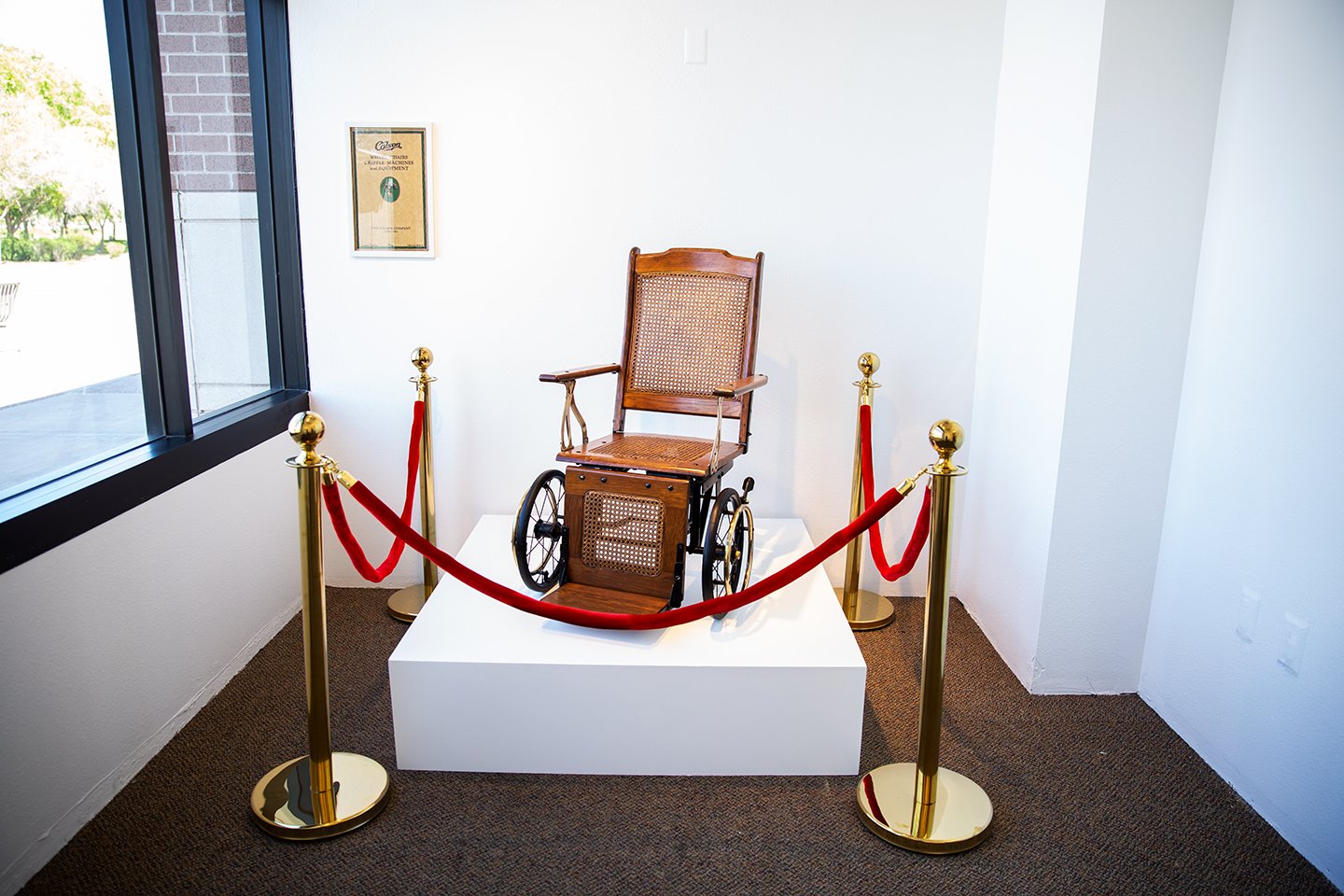
“Dependence” is a readymade (MoMA, 2019). It the only piece in the show that the viewer is not allowed to play with because of what it signifies, namely, “a world in which the dualities of domination / subordination, superiority / inferiority, normality / abnormality are relentlessly reinforced and legitimized (Charlton, 2000, p. 26).” The design of the chair shows us that it was not meant to leave the house and was for use indoors exclusively. Because of the size and the placement of the wheels, a user of this chair would not be able to self-propel it. This antique wheelchair was known as an invalid chair and so reinforces the notion that people with disabilities are shut-in, and therefore, shut-out of society. This piece is in dialogue with the idea that “backwards attitudes are the basis of disability oppression (p. 27).”
This “in-valid” chair has a brass plate on the back with the model number C23A. With this information I was able to discover that it was manufactured by Colson Corporation of Elyria, Ohio in 1928. From the catalog of that same year, the ad reads:
The "NEW YORK''
A chair designed for narrow door and elevators with a wide substantial body an overall width narrow enough for New York Apartments. The “New York” accounts for every fraction of an inch of its overall width. It is three inches narrower than the ordinary invalid chair with the same width of seat. Furthermore, it is very attractive, light weight, strong and comfortable, equipped with stationary leg rest.
Equipment as Illustrated. Bicycle ball bearing wheels with wired on one-inch rubber tires; quality oak frame and woven cane back and seat; adjustable foot board; steel underframe; flat arms; steel hand rims on wheels; three-wheeled running gear; rear swivel and self-guiding wheel; ball-bearing fork head. Model C-23-A (Single Adjustable Leg Rest)
The Colson Corporation is still in business and can trace its history back to 1885 when it was founded as Fay Manufacturing in Elyria, Ohio, by Winslow L. Fay. In 1891, the company was sold to Arthur L. Garford with George Worthington as president. By 1903, the company was owned by Worthington and renamed The Worthington Company with Fred Colson as principal owner; it manufactured tricycles, invalid chairs, wheel chairs, carts, and casters made with rubber tread. In 1917, Fred Colson purchased the company and changed the name to The Colson Company. He expanded the caster line and added hospital wheeled equipment & industrial material handling equipment. The company fell into bankruptcy during the Great Depression and was broken up into several smaller companies (Colson Caster, 2019). The company advertised itself as a leading provider of hospital equipment. One of its catalogs in 1931 expresses pride in participating in Franklin D. Roosevelt’s foundation (Georgia Historical Foundation, 2014) for the treatment of people with polio: “Colson Hospital Equipment is internationally known and will be found in the leading institutions throughout the country including the Georgia Warm Springs Foundation. Built to give the utmost in comfortable, economical service, Colson Wheelchairs offer a variety of styles and types to meet every condition or disability (Disability History Museum , 2019).“ In 1957 the wheelchair business was sold to Cortland Shea, which later became Invacare Corporation, which is still based in Cleveland, Ohio (Ohio Memory, 2019). Invacare still has a factory in Elyria, Ohio.
What is so shocking to me is that the company is oblivious to how the marketing and placement of its products perpetuates the long-standing (mis)conception that all people with disabilities are sick, broken, and unable to have a life. The acquisition of a wheelchair is taken to signify a concession to aging, disease, injury, and lowered status. It has been my experience that the Invacare Corporation still perpetuates this notion as a key cornerstone of its business plan. They, NuMotion, other wheelchair manufacturers and service companies, the health insurance companies, and healthcare professionals maintain a social climate of disability oppression for their own profit. Upon becoming disabled, rather than the user test driving and choosing a personal vehicle, doctors still assign wheelchairs and tell their patients who are newly disabled that their quality of life will be diminished. The infantilization and marginalization of a person with a disability begins immediately. It is this destructive arrogance that perpetuates the medical model, which perceives persons with an ambulatory disability in terms of defects to be alleviated. This attitude extends beyond the “health care” industry into a more generalized prejudice against and denigration of people who use wheelchairs. The technology and design express a master status, one of compromised health, and deny the individuality and vitality of the user. “Dependence” is an embodiment of this continued marginalizing social norm.
"INDULGINE" or “Indulgent Engine” “How do machines feel pleasure? Let me count the ways. A bot by @PerfectPlum (Kelley, 2010) and @lovemecomputer_ (Moon, 2013). #CBDQ (Ahmedzai, 2016) and #Tracery (Compton, 2015) under the hood (Kelley & Moon, @indulgine, 2017).“
The @indulgine bot and resulting series of abstract visual artworks give the computer human qualities of feeling pleasure, creation, and a quest toward enlightenment or a cybernetic serendipity (Pattison, 2019). This work positions itself conceptually as post-colonial in that it seeks to reconsider the language used to describe machines and how that forms our perception of them (Google Design, 2017). Just as human abstract expressionist painters and printmakers do, the machine has a self-contained set of criteria to use to create the series. Diagonal and horizontal lines, dot patterns and textures, and verse are auto-generated four times a day, quietly churning out new possibilities in the form of visual and textual poetry. The pieces generated bring to mind the works of Arshile Gorky, Ed Rucha (Ruscha IV, 2019), and Barbara Kruger. It is as if the poetry of Rucha, the poignancy of Kruger (Art21, 2003-2019), and the free-flowing, floating spirituality of Gorky have all been combined to create something new to consider and to accept the machine as a peer. As Gorky has said, “Abstract art enables the artist to perceive beyond the tangible, to extract the infinite out of the finite. It is the emancipation of the mind. It is an explosion into unknown areas (The Art Story Foundation, 2019).”